
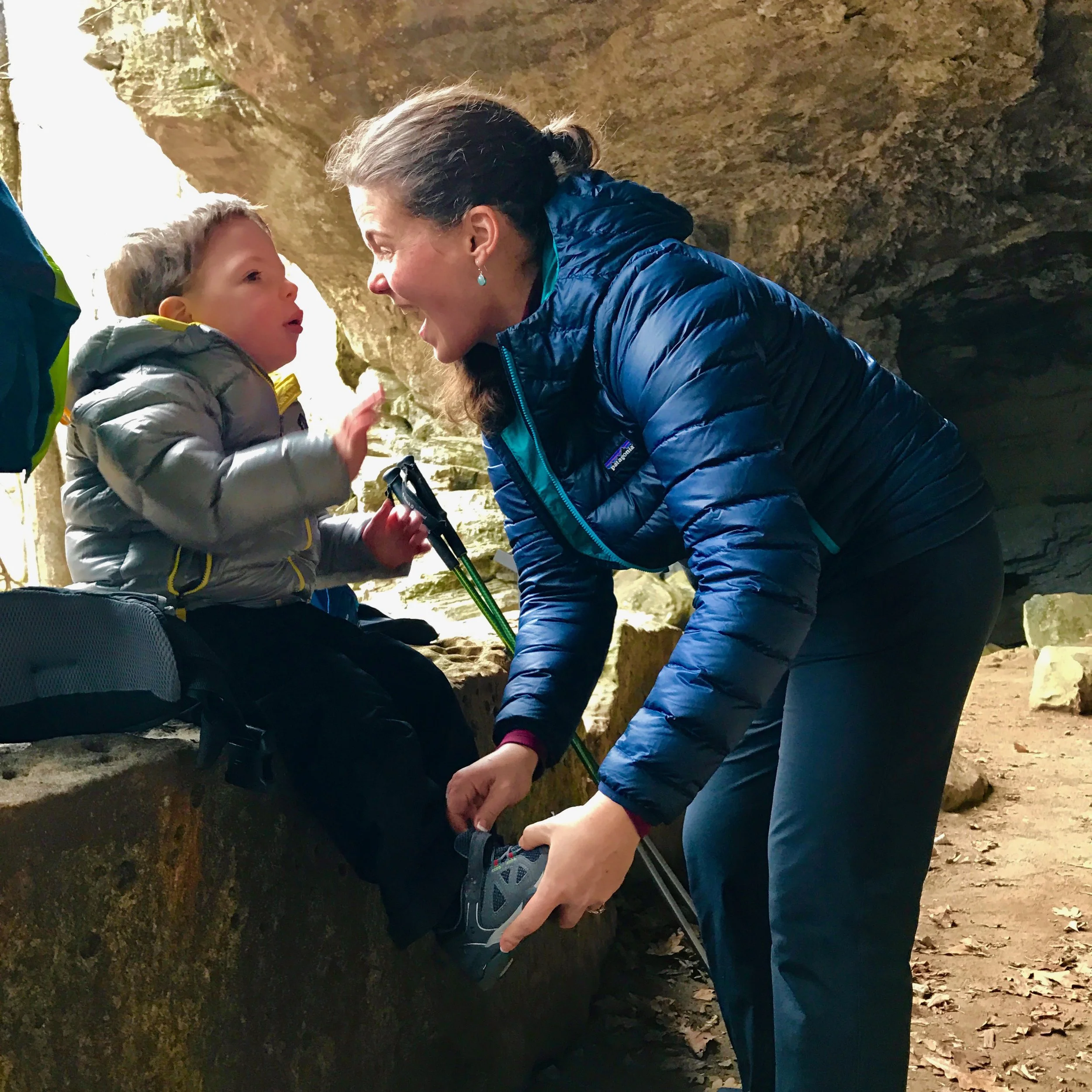
Gear That Just Fits: Sensory-Friendly Outdoor Clothing for Kids and Adults
Helping outdoor adventures feel accessible to everyone starts with making sure they can comfortably join us! While some adventures are as simple as neighborhood park visits or walking in the backyard, others take more preparation and that’s when clothing and gear begins to make a huge difference on the overall experience.
Sensory-friendly clothing and gear exists more than ever - this article covers what to keep in mind while shopping for sport-specific activities and sensory needs. Happy adventuring!
It happened again. I was standing in the kitchen when The Dude came around the corner with scissors in one hand and a vice grip on a tag stitched into the inside of the shirt he was wearing.
“Cut it off, please.” He didn’t even have to say it, though. I knew as soon as I saw the tool in-hand what the request would be. It’s not the first time and it won’t be the last. With a surgical precision and a concerned kid who didn’t want the shirt to be damaged (because he liked it except for that darn tag), it snipped the tag away.
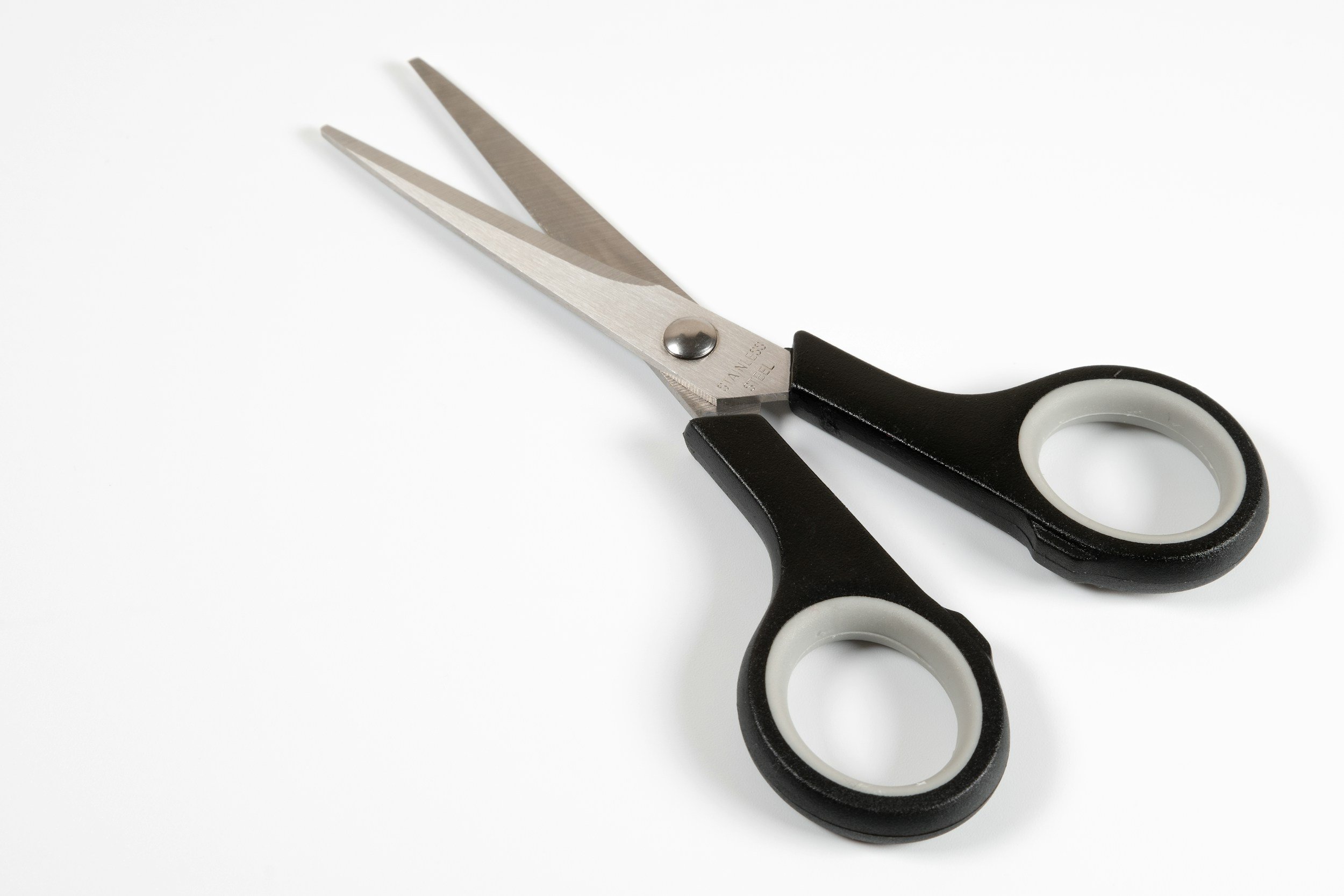
Get the scissors, for the love of all that’s scratchy…!
For a lot of us, the hardest part of getting outside isn’t the trail, the water, or the miles - it’s the getting dressed part. A scratchy tag, a seam pressing across the toes, a helmet strap that pressed around an ear in a weird way, a swimsuit that grips in all the wrong places: any one of these can end an adventure before it begins. And it isn’t only our kids. Plenty of adults quietly skip activities they’d otherwise love, simply because the gear is unbearable against their skin.
Sensory sensitivity shows up often in autistic and ADHD folks and in anyone living with Sensory Processing Disorder, but none of us needs a diagnosis to loathe a bad seam. The good news is that the outdoor and apparel worlds have caught up. There’s a real range of clothing now built to blend in the moment it goes on. Here’s what to look for, along with the brands and specific pieces worth knowing, organized around the activities we love.
What Actually Makes Clothing Sensory-Friendly
Before we get to brand names, it helps to know which features matter. When we can read a product page or feel a garment in a store, these are the green flags:
- Tagless or printed labels. Traditional neck and waistband tags are one of the top offenders. The best pieces print the care information directly onto the fabric so there’s nothing left to itch. If a tag does exist, look for one that’s been heat-pressed flat - or plan on carefully removing it.
- Flat, external, or seamless construction. Raised interior seams rub, especially at the shoulders, underarms, and toes. Sensory-focused brands use flatlock seams, move the seams to the outside of the garment, or knit pieces seamlessly so there’s no seam at all.
- Soft, breathable fabrics. Organic cotton, bamboo, modal, and Tencel are naturally smooth and gentle. Patagonia has Capilene, a silky synthetic fabric. Fine merino wool works beautifully too, and the trick there is fiber diameter. Anything under about 18.5 microns bends on contact with skin instead of poking it, which is why fine merino doesn’t feel like the itchy wool many of us remember from childhood (this still really depends on the person’s sensitivity level, though).
- Simple, gentle closures. Metal buttons, stiff zippers, and tight elastic can all be triggers or even challenges for people with finger dexterity or strength issues. Velcro, magnetic closures, encased soft waistbands, or no closure at all tend to go over much better.
- Solid colors and minimal print. Heavy screen-printed graphics and dye-stiffened patterns can feel rough, or just plain loud. Many sensory-sensitive kids prefer quiet, simple color schemes.
- Compression, when it helps. This one is a bonus rather than a requirement. Snug compression garments provide deep-pressure input that many may find genuinely calming and organizing, and they layer neatly under other outdoor gear. The opposite can also be true - again, it really depends on the person and trying options to see what works.
One note on fit: with swimwear and anything worn wet, buy snug. Suits loosen in the water, and a secure fit often feels safer and less fidgety, not more.
Trail Clothes and Base Layers for Hiking
Hiking is mostly a base-layer-and-socks game, which makes it the easiest activity to solve.
Socks come first and this is a big one. Seams across the toes can cause more discomfort than nearly anything else in the drawer. SmartKnitKIDS seamless socks are knit from the toe up with no seam at all, hug the foot so they don’t bunch, and wick moisture, which matters on a sweaty trail. For the kids (and adults) who genuinely hate socks, FLAT SOCKS take a different approach - a trimmable, no-show insert that sits inside the shoe, so feet feel bare but stay dry and blister-free.
Bamboo-blend sensory socks from CalmCare and Parker & Talia are another soft, moisture-wicking option. For cold-weather hikes, fine merino socks regulate temperature without the itch. Minus33, Darn Tough, and Smartwool all have versions of seamless or “virtually seamless” comfortable wool socks for kids and adults. They also last a long time.
For everyday tagless kids’ clothing, Primary is a fan favorite: solid colors, no logos, no scratchy graphics. Cat & Jack Adaptive at Target offers tagless, flat-seam, soft cotton-blend pieces at approachable prices, and Kickee Pants and Lucky & Me are both beloved for their buttery modal and bamboo blends. We’ve also had luck with Patagonia’s Capilene clothing over the years, though we do end up cutting the tag out of the side seam of the shirts many times.
When we need a little extra regulation on the trail, a compression base layer can take the edge off. Kozie Clothes (designed by a pediatric occupational therapist) and JettProof both make four-way-stretch compression shirts and undervests meant to be worn under a regular hiking shirt, with external stitching and stamped labels so there’s nothing rough on the inside. JettProof’s fabric wicks moisture too, which matters once we’re moving.
Adults, don’t skip yourselves here. Fine merino base layers from Smartwool or Meriwool are soft enough for next-to-skin wear (look for roughly 16.5 to 18.5 micron and OEKO-TEX certification). Tencel and silk are excellent smooth alternatives if wool isn’t your thing, and both JettProof and FLAT SOCKS make adult sizes.
On the Water: Paddling, Swimming, and Beach Days
Water gear is uniquely tricky. Wet fabric grips, mesh liners scratch, and everything feels more intense against the skin.
NoNetz was created by a mom whose son couldn’t tolerate standard swim trunks. Their suits skip the scratchy mesh liner entirely, use anti-chafe fabric inside, and place seams flat or on the outside. They make kids’ and adult sizes, and their designs are tested with the autistic community before they go into production. For sun protection and a feeling of security, a snug long-sleeve UPF rash guard works well - it gives that gentle all-over pressure many kids find reassuring, and it layers nicely under a paddling PFD. Target carries a sensory-friendly swimwear line too, with flat seams, no tags, and adaptive suits with easier closures. We’ve liked the silky liner inside of Eddie Bauer’s kids comfort liner swim shorts.
If our kids resist water on their faces, Frogglez goggles are worth a look. The soft fabric strap slides over the head without pulling hair, which is a common sticking point with traditional silicone straps. Water shoes are worth adding as well, to protect against rough launch sites, creek beds, and hot docks. That transition from land to water is so often where the sensory friction shows up.
Full wetsuits are a bigger ask. If we’re heading into colder paddling, size for a snug-but-not-crushing fit, look for flatlock or glued-and-blind-stitched seams rather than raised overlock seams, and consider a thin sensory-friendly rash guard underneath as a smooth barrier against the neoprene. Especially for kids whose bodies may have a harder time regulating temperature, a “shortie” wetsuit might be something to consider.
As a side note for days in the sun, a long-sleeved synthetic shirt or rash guard and a wide-brimmed hat can help reduce the amount of skin that requires sunscreen (if that’s an issue for you or your family member).
On Two Wheels
Biking adds a couple of wrinkles: the helmet and the seat.
The helmet can be a battle for some. A good sensory fit is snug enough that it doesn’t rock forward, back, or side to side, with a chin strap that holds without digging. Nutcase and Lazer both come up often for softer padding, adjustable systems, and smoother interiors. The removable pads inside most helmets are our friend here - we can swap or adjust them to fine-tune both the fit and the feel, and wash out the sweat that makes them scratchy over time. One classic occupational therapy trick for helmet resistance: desensitize the head first with gentle massage or vibration before the helmet goes on, and build up wear time gradually rather than all at once. Wear helmets around the house together as a family for a little while as a “silly” activity to take the newness away.
Padded cycling shorts are notorious for seam irritation, but can make a big difference on saddle soreness. A smooth compression base layer (Kozie or JettProof again) worn underneath creates a friction-free barrier. For kids who are still learning to ride, long sleeves and long pants both cushion the inevitable falls and, for many, simply feel more contained and secure than bare skin. Keep the same tagless, flat-seam rules in play for jerseys and tops, and remember that quiet solid colors usually beat loud graphic prints.
And if your kiddo or family member is ready for longer rides, consider Chamois Butter or something similar in those high-friction saddle areas so that they avoid too much soreness. We swear by that stuff!
A Few Shopping Tidbits Worth Keeping
Fabric tolerance is deeply personal. Even the softest merino bothers some of us, so introduce new textures gradually and watch the reaction rather than assuming a sensory-friendly label guarantees a win.
Let our kids have a say. Being able to choose the color or the style, even just between two solid options, turns getting dressed from a fight into a decision they own.
Buy from places with easy returns. Shopping online means we can’t feel the fabric first, so brands offering free, no-questions returns for surprise irritants (several sensory-focused makers do) are worth prioritizing.
And we can always go inside-out. For socks and simple tees, wearing a garment inside-out to escape an interior seam or a loose thread is a perfectly legitimate solution. With solid colors, nobody can tell!
Finally, we bring a set of “regular” clothes to change into when we’re back at the car (or camp). Whether we’re damp from water, weather, sweat, or its simply time to change sensations, we have the comfy clothes to change into and round out the end of the day’s adventure with feeling great in every way possible.
Getting outside should be about the time together, the experience, and the fun - not about a tag someone can’t stop thinking about. Gear now exists to make the outdoors genuinely comfortable for sensory-sensitive kids and adults alike. Sometimes inclusive outdoor access looks like a wide, well-graded trail. And sometimes it’s just a seamless sock.
Sometimes you just have to stop and adjust things for better comfort (and have a tasty snack).
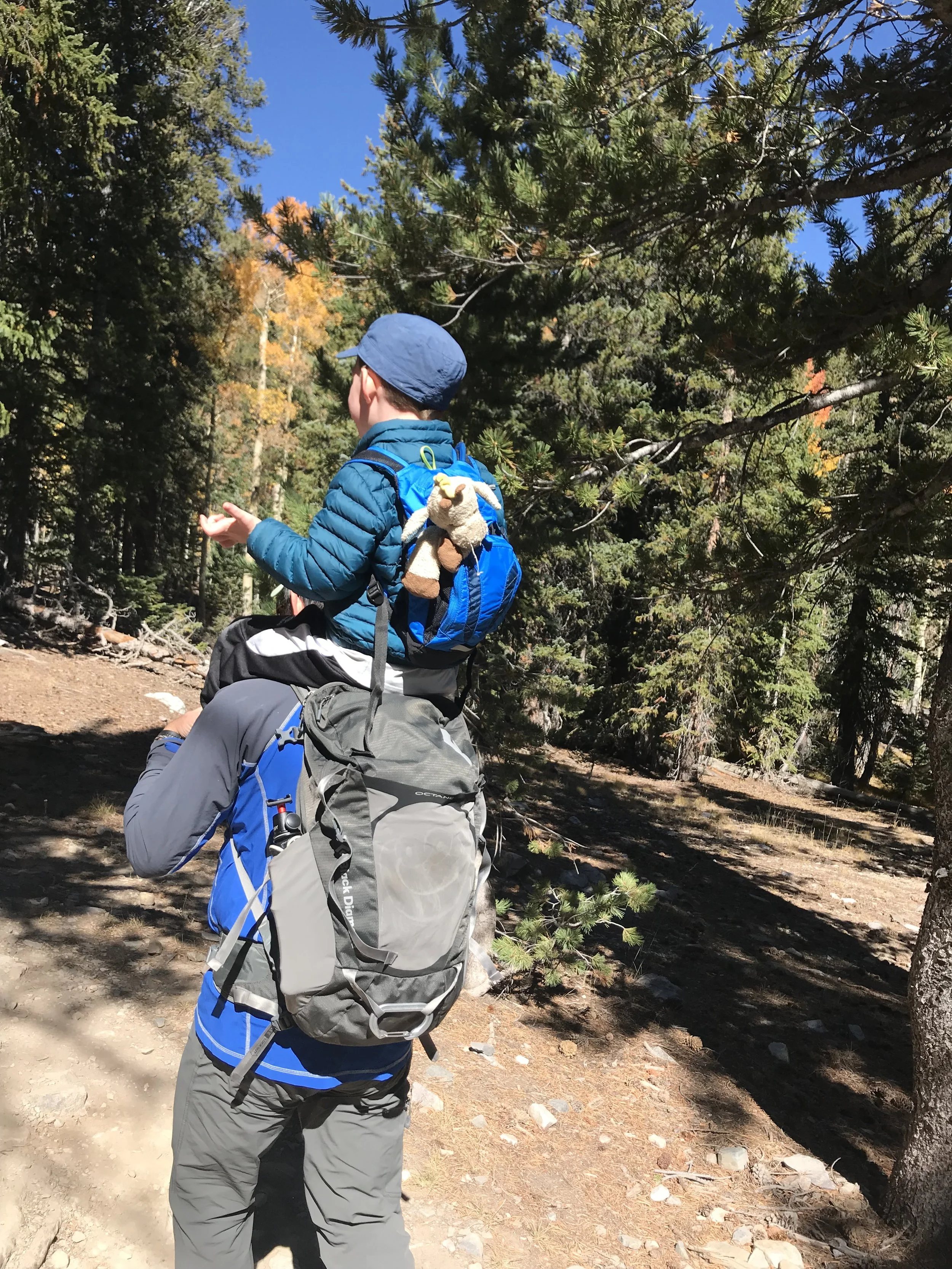
A First Hike on Good Terms: A Quick Guide for Sensory-Sensitive Beginners
Heading out on a hike for the first time can feel like a lot for people who have sensory sensitivities or anxiety. Here are some ways to help your child or family member set up for success on their first hike.
Quick answer: For a sensory-sensitive beginner’s first hike, solve friction and temperature ahead of time with seamless socks and light layers, talk through what to expect before you leave, keep the route short, flat, and close to the car, and treat an early turnaround as a win so they’ll want to go again.
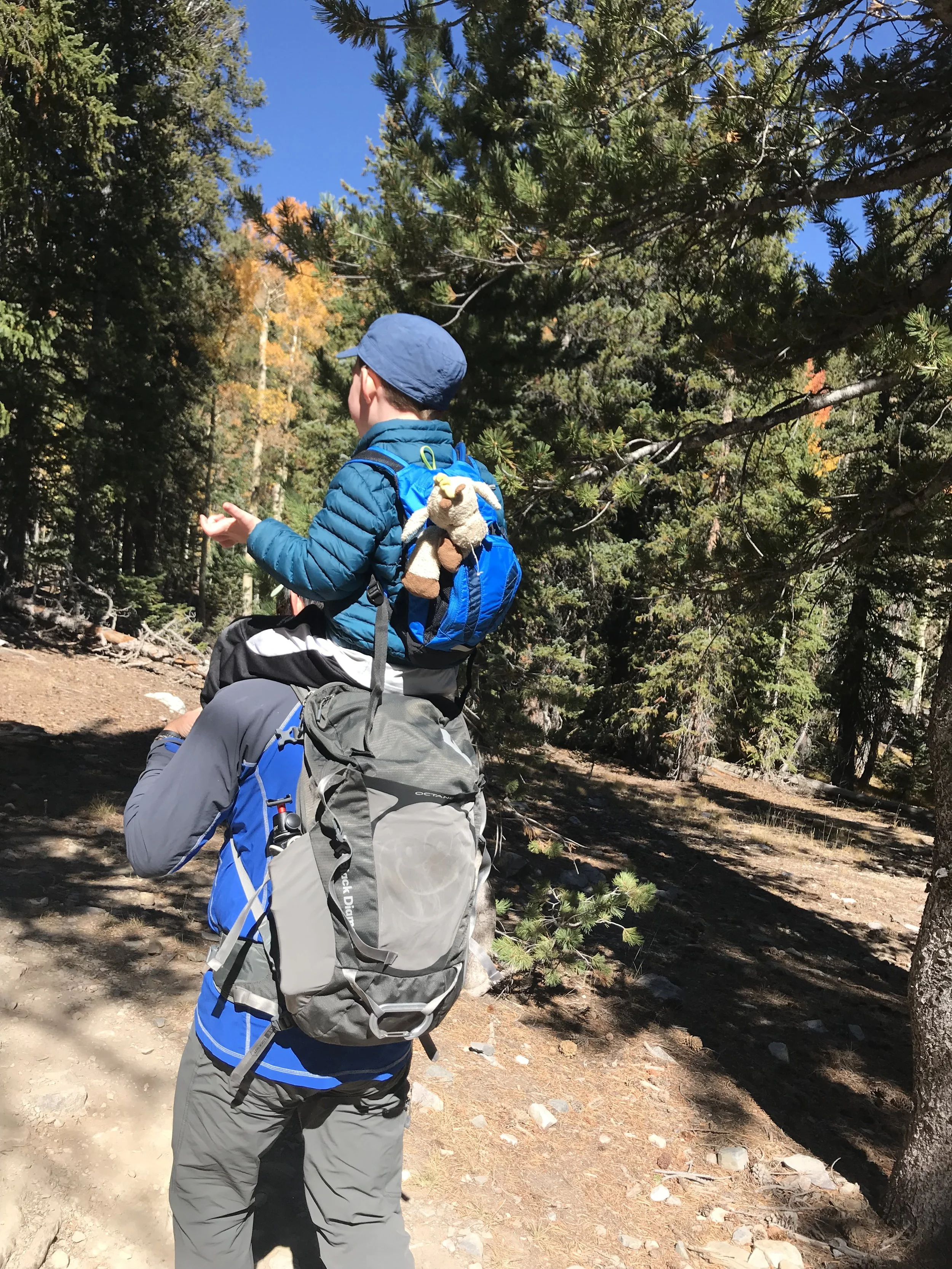
Traveling light is subjective!
Your First Hike, On Your Terms: A Guide for Overwhelm-Prone Beginners
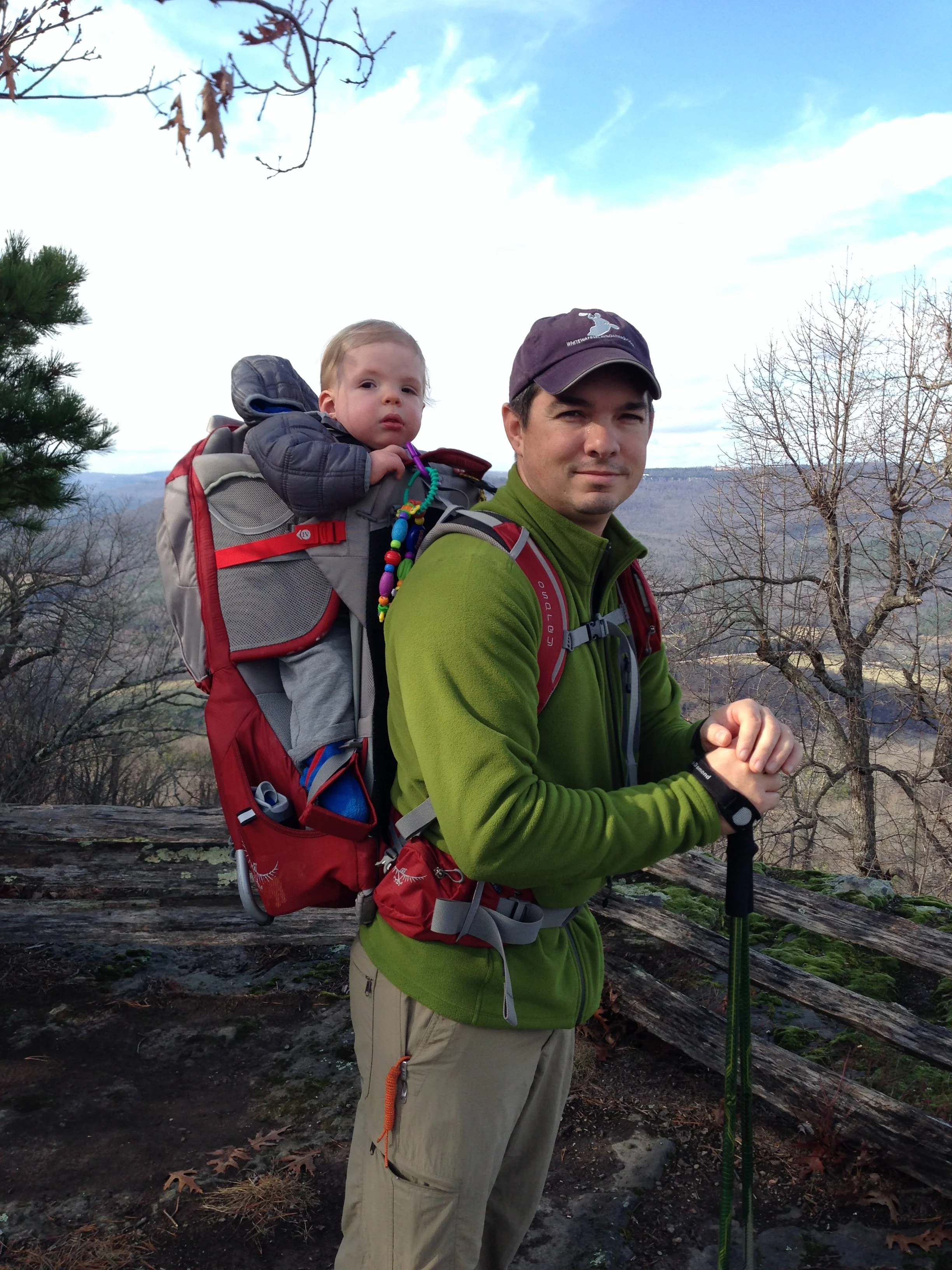
Our first hikes with The Dude started with him either in a baby sling or a kid carrier backpack (like the Osprey or Deuter versions that we reviewed). Starting at a really young age made hiking feel like a natural part of our family’s activity and the carrier backpacks were a cushy way for him to ride through the world in comfort and with snacks.
That said, we also know that many people start hiking later than we did and that brings up a different way of easing in to a new activity. Frankly, even with a now-teenager, we sometimes have to coax the willingness to come along out of him!
Hiking is the gentlest doorway into the outdoors, which is exactly why it’s the best place to start when new experiences feel like a lot. There’s no engine, flexible timing, and no equipment we have to trust with our lives - just us and a trail. But “gentle” isn’t the same as effortless, and a first hike can still go haywire when the sensory load sneaks up on us. Here’s how to make that first hike an enjoyable activity that allows beginners to want to join in again.
This is part of our inclusive first-timer series, and each guide is built on the same five questions: what will this feel like, is the gear comfortable, how do we handle the unknowns, what’s the smallest first outing, and how will we know when to pause? Here’s how those play out on the trail.
What a Hike Actually Feels Like
The trail delivers a steady drip of sensory input rather than any one big cascade. Uneven ground underfoot that keeps changing. Weather we don’t control (sun, wind, temperature). Bugs. The weight and shift of a pack across the shoulders or sitting on hips. Long stretches of very similar input, which can be soothing for some of us and monotonous (bordering on agitating) for others.
The two that catch families off guard are temperature and friction. Many sensory-sensitive kids have a hard time reading their own body temperature. They won’t say “I’m too hot” - they’ll simply melt down once they’re already cooked. And nothing ends a hike faster than a sock seam across the toes or a pack strap sawing at a shoulder.
Get the Gear Comfortable First
Friction and temperature should be solved as best as possible before ever leaving the house.
Seamless socks are the single highest-leverage item in the bag. Toe seams are a top trigger, and moisture-wicking seamless pairs prevent both meltdowns and blisters in one go.
Layers that come off fast matter just as much. Not one thick layer, but several thin ones we can shed the instant someone starts to overheat. This is a regulation tool every bit as much as a warmth one.
A pack that actually fits needs padded, wide straps, and a hip belt can take a lot of the weight off the shoulders and back. It should be worn and adjusted at home first, fully loaded. For younger kids, unless they really want to carry their own smaller backpack, let them be packless.
And if brightness or glare is a sensory factor, test the hat and sunglasses ahead of time for brim and band comfort. (Our sensory-friendly clothing guide has specific brands for all of this.)
Handle the Unknowns Out Loud
Talk through the hike and what to expect before we’re standing at the trailhead. Roughly how long will the hike be (length/time)? Is it a loop or an out-and-back? Do we have break spots in mind already and what is the destination we’re aiming for? For a kid, previewing photos of the trail or even the parking lot removes a whole category of surprise. Name the what-ifs - what if I get tired, what if I don’t like it - and give each one a plan. Predictability is the calming ingredient here.
Design the Smallest Possible First Hike
We’re aiming for a win, not a view. The perfect first hike is short and flat, on a well-maintained, gentle loop or an out-and-back we can cut off anywhere. Skip the payoff vista on day one - a summit someone got dragged to in tears isn’t a win. Choose something nearby and familiar over a destination we’ve built up in our heads, and keep it close to the car with no committing terrain and no point of no return.
Ten happy minutes that end with “that was fun, let’s go home” will beat an hour of misery every single time. We’re building an association, and we want it to be a good one. We used to go on regular “teeny tiny flower walks” on our local greenways trails in the spring and early summer: looking at all the different kinds of flowers that popped up as the weather warmed and seeing how they slowly changed with every hike through the season.
Read the Signs, and Keep the Exit Shame-Free
Learn the early tells of overload. For a lot of kids, that’s well before the full meltdown, when they get quieter, more rigid, or more irritable. A tense body or stumbling, clumsier-than-usual movements are a sign of needing a break, or simply to finish. Treat turning around early as a success rather than a failure. “We can head back any time, no big deal” has to be genuinely true, or the whole trust structure collapses. When we needed to lift the feeling on the return trip (or even get into the action as we started the hike), we would play “touch the tree,” where we would take a moment to touch the trees we liked next to the trail, just to ground the physical feeling of barks under our hands. An adventure that ends on a good note is one we’ll willingly repeat, and repetition is the entire goal.
Hiking asks less of a nervous system than almost anything else outdoors, which is what makes it such a good proving ground. Sort the socks and the layers, keep that first one short and close to the car, narrate what’s coming, and let “we can stop” mean exactly what it says. Do that, and a first hike quietly becomes a second one - and the kid who “doesn’t do hiking” becomes a kid who does.
Everybody on the Trail: A Guide to Adaptive Outdoor Gear by Activity
Adaptive equipment is available for more people across more outdoor sports than ever. Here’s a quick overview of different ways people with disabilities are getting outside with the adaptive gear that helps make it happen. Nature and the outdoors is everyone’s adventure playground!
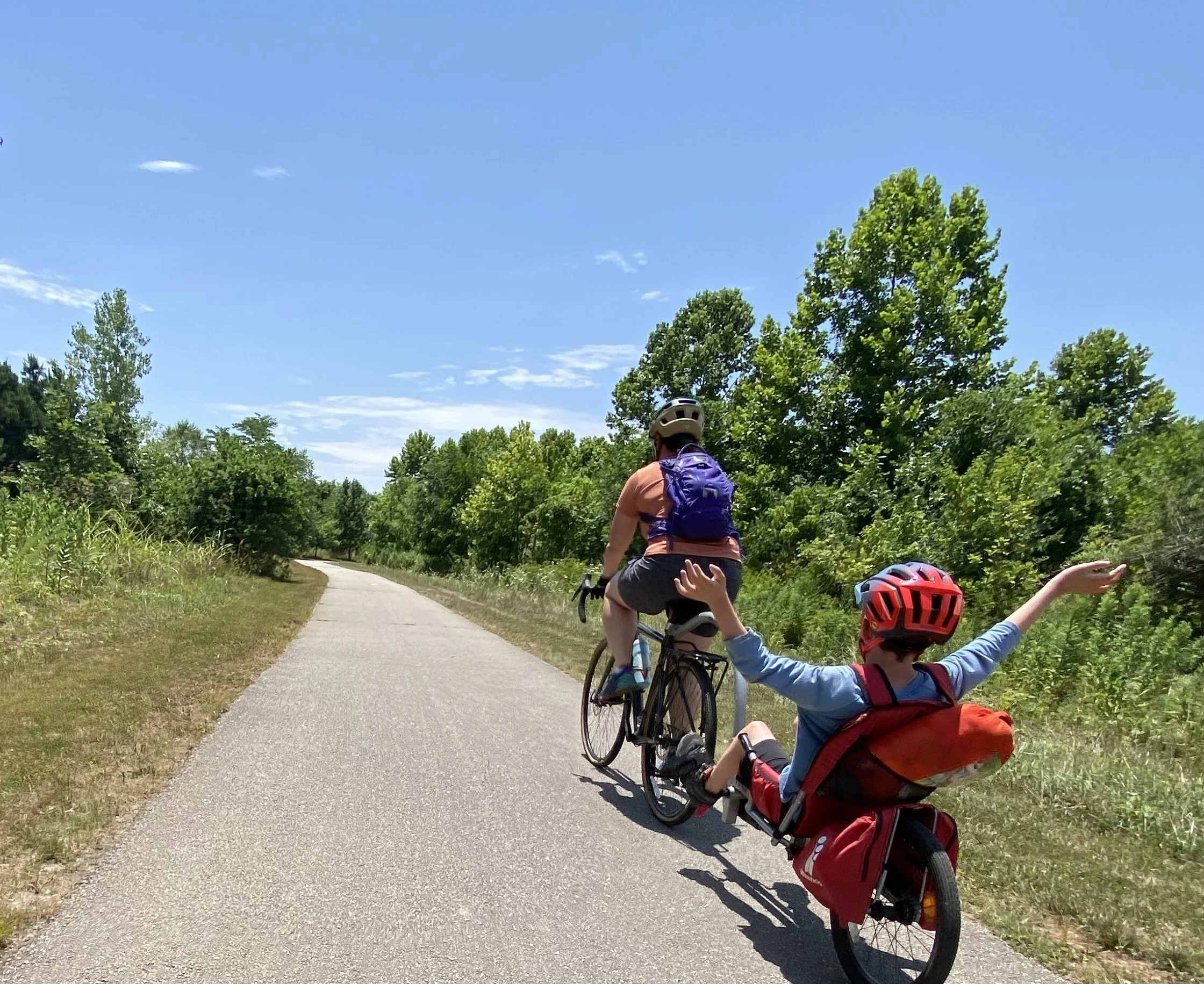
A bike trailer is a great way to get your kid out there with you.
We believe spending time in nature and the outdoors is important for human well-being. And we also believe that nature and the outdoors, in some capacity, should be accessible to everyone, regardless of ability, disability, or for any other reason.
Around here we talk a lot about inclusive access, and usually that means the sensory side of things - the tags, the textures, the overwhelm. But access has another whole dimension: the equipment that gets people with mobility differences onto the trail, into the boat, and up the wall in the first place, not to mention the way trails are constructed with adaptive equipment in mind.
Hiking and Getting Down the Trail
The headliner here is the all-terrain wheelchair, and a great example is the GRIT Freedom Chair. It’s a manual chair designed by MIT engineers that uses a lever-drive system (think mountain bike parts) to make pushing across dirt, grass, sand, gravel, and snow dramatically more efficient than a standard chair. It breaks down to fit in a car trunk, and it comes in sizes for all ages and bodies - there’s a youth version and a GRIT Junior billed as the first all-terrain kids’ wheelchair, so nobody gets left behind at the trailhead. For riders who want maximum ruggedness, the Spartan trim was originally built for obstacle-course racing.
The technology and engineering of all-terrain wheelchairs has come a long way and new makers and innovations continue to move ahead, making activities and places more accessible than ever.
One tip applies across every category below: many national and state parks, plus adaptive programs, now loan or rent all-terrain chairs right at popular trailheads. Always worth a call before buying.
Paddling and Getting on the Water
Watersports are some of the most adaptable activities out there, because so much of it can be adjusted piece by piece.
Start with the boat. Sit-on-top kayaks and wider-hulled boats are the usual recommendation, since the open deck makes transfers far easier for wheelchair users and the width adds real stability. A commonly recommended crossover boat is the Wilderness Systems Pungo, though plenty of models work well. But if whitewater kayaking is a dream, do know that there are paddlers out there who do amazing things in creek and playboats, too.
From there we layer on adaptations as needed. Outriggers - pontoon floats mounted to the sides - add major stability and make getting in and out much steadier. (They reduce tipping risk but don’t eliminate it, so caution still applies.) Adaptive seating replaces the stock seat with adjustable trunk and lateral supports. For simple pressure relief, gel and bead seats like the Jackson Sweet Cheeks or the Hobie Comfort Seat conform to the body and remove pressure points.
Adaptive paddles open things up for limited grip, strength, or one-arm paddling. Angle Oar’s Versa paddle mounts to the boat and pivots, taking the load off shoulders and wrists, and Dillenschneider Designs makes a well-regarded one-arm freedom paddle. A simple wrist-cuff-and-disc setup lets someone who can’t grip a shaft still paddle with real control. And transfer aids - benches, kayak “chariots” with wheels, and in some programs a Hoyer-style lift - make the move from wheelchair to boat safe and smooth.
Cycling and Getting Rolling
Bikes include a much wider, encompassing spectrum than what many of us have in mind. The main families look like this.
Handcycles are powered by the arms, for riders with limited leg mobility. They come recumbent (laid back, low center of gravity, easiest to transfer onto), upright, and in rugged off-road versions for trails.
Recumbent trikes use a reclined seat that supports the back and joints. Two front wheels and one rear (a “tadpole”) tends to be the most stable and is often recommended for riders with balance or visual differences, while one front wheel and two rear makes a “delta.”
Tandems are built for two, so a sighted or stronger captain steers up front while a stoker pedals behind. Side-by-side duets put riders shoulder to shoulder for easier communication, and wheelchair tandems let a chair dock right onto the frame, with no transfer required at all.
Therapeutic trikes for kids and adults come with adjustable supportive seating, foot straps, and steering limiters. They’re a common fit for balance differences, and for many autistic riders who simply feel steadier on three wheels.
E-assist can be added to any of the above, to flatten hills and stretch range when arm strength or stamina is the limiting factor.
When our son was younger, we also had bike trailers, such as the WeeHoo Bike trailer, that we towed everywhere. It took some practice, but once we had the hang of it, we all loved it!
Prices swing widely - a basic adaptive trike might run a few hundred dollars while a specialized handcycle or wheelchair tandem climbs into the thousands - which makes the lending and grant programs below especially worth knowing about.
Sailing and Feeling the Wind
Sailing is a very inclusive and adaptive sport that allows a person to be as relaxed or as active as they want to be. Few things rival the feeling of catching the wind and letting the water carry you, and adaptive sailing makes that feeling reachable for people with a wide range of physical abilities. The gear that opens this door starts with the boat itself. Purpose-built adaptive keelboats and dinghies—like the Hansa (Access) series, the Martin 16, and the SKUD—are weighted to be nearly impossible to capsize, so a sailor can focus on trimming the sail and steering rather than balancing.
Many pair with seating systems that add trunk support, swivel seats that make transfers easier, and dockside hoists or transfer boards that get you from chair to cockpit smoothly. For sailors with limited hand or arm function, servo-assisted and "sip-and-puff" control systems let you steer and adjust the sails using breath or a joystick, turning the whole boat into something you can pilot with the movement available to you.
If you're new to it, the easiest first step is finding a local adaptive or community sailing program (US Sailing keeps a directory), where trained volunteers and specialized boats are already waiting to get you out on the water.
Climbing and Getting Up the Wall
Climbing is more accessible than it looks, partly because gyms have exploded in number and partly because of one organization. Paradox Sports is a national nonprofit that runs adaptive rock and ice trips and, through its Adaptive Climbing Initiative (built with The North Face), has trained staff at gyms across the country to run inclusive programs. They also literally wrote the book: the first Adaptive Climbing Manual, pooling techniques from dozens of accomplished adaptive climbers.
The practical upshot is that if we’re new, we usually don’t need to buy anything at all. Head to a gym with an adaptive program, where trained instructors provide the harness, rope, and technique. Amputees often climb using an everyday prosthesis, a specialized climbing limb, or simply a protective sleeve over a residual limb. The systems exist to get an enormous range of bodies safely on and up that wall.
How to Actually Get the Gear Without Buying It All
This is the part that changes everything, because adaptive equipment is expensive and highly individual. Before spending:
Try before buying through an adaptive program. Local chapters, gyms, and recreation departments keep fleets of chairs, bikes, and boats specifically so people can test-ride and get a proper fitting.
Look for gear-lending libraries and trailhead rentals. Parks, nonprofits, and some outfitters loan all-terrain chairs and adaptive kayaks by the day.
Chase the grants. Foundations that fund adaptive equipment exist precisely because the sticker prices are so steep. Veterans can sometimes fund an all-terrain chair or handcycle through the VA, and several nonprofits will help with the paperwork.
And get a consultation for complex needs. For significant or complex disabilities, a fitting assessment (many paddle and cycle makers offer them) saves both money and frustration compared to guessing.
The Organizations Worth Bookmarking
A few names come up again and again, and they make wonderful starting points. Move United is the national umbrella, formed in 2020 from Disabled Sports USA and Adaptive Sports USA, with a huge network of local chapters, an equipment resource page, and sport-by-sport guides. Paradox Sports runs adaptive climbing programs, trips, and gym trainings nationwide. The Challenged Athletes Foundation offers grants, equipment resources, and clinics across many sports. Twin Cities Adaptive Cycling is a Minneapolis nonprofit running an adaptive bike share with a forty-bike fleet and fittings. And Heroes on the Water and Wasatch Adaptive Sports focus on paddling and multi-sport programs respectively. Also, don’t forget the Wounded Warriors Project.
The equipment to get almost any one of us outside already exists. The harder part is usually knowing it’s out there and finding the program that will let people try it. Even more so, you can be a part of someone’s supportive experience to adventure outside. Learn from the organizations mentioned, go with them, be a teammate to the person who’s embracing adaptive outdoor experiences - you’ll both learn from the adventure and have fun, too.

Leave No Trace Principles for Your Family
Leave No Trace is a set of 7 principles of outdoor stewardship and ethics for your enjoyment in nature and for future generations’ continued appreciation of natural places. Here’s a quick overview for your family to learn the basics!

Leave No Trace for your enjoyment and for future generations.
I'm a Leave No Trace Trainer, and this ethic shows up in nearly everything we write here, usually in passing, or just as a given. Maybe we mention “packing it out,” staying on trail, or camping on intended, established sites. I've never actually given a formal overview, so here it is: the seven principles as I would tell them to a family new to this!
1. Plan Ahead and Prepare
This is the strategy and logistics that help us build a solid foundation to avoid or prevent most of the other problems. Know the regulations and special concerns for the location you’re visiting, check weather, pack appropriately, and travel in small groups when possible. A well-prepared trip creates less impact almost automatically, because prepared people make fewer panicked, high-impact decisions.
2. Travel and Camp on Durable Surfaces
Stick to established trails and designated campsites. Walking around a mud puddle instead of through it seems considerate, but it widens the trail over time and damages surrounding vegetation. In truly pristine backcountry areas (bushwhacking), spread out to avoid creating new social trails. In popular areas, concentrate use on already-established paths. The rule flips depending on how developed the area already is, which surprises people the first time they hear it. Remember: your boots were made to be muddy and they’ll recover if that’s the trail condition that day.
3. Dispose of Waste Properly
Pack it in, pack it out… including things like fruit peels, which are not native compostables everywhere and take much longer to break down than people assume. Seriously. That orange peel will be there for months. For human waste in the backcountry, that means either using a cathole dug 6-8 inches deep and at least 200 feet from water, trails, and campsites, or packing it out entirely where required (yes, this is a real requirement in some heavily used areas, and it's not as bad as it sounds with the right kit). Plan to pack out toilet paper regardless: a Ziploc bag in a non-see-through dry-bag, sealed up and clipped on the outside of a backpack is the way to go. Throw away the Ziploc when you get back to civilization.
4. Leave What You Find
Rocks, plants, artifacts, antlers: it can be hard, but leave them where they are. This one carries extra weight in places like Bears Ears, Mesa Verde, and Grand Staircase-Escalante, where "what you find" can include genuinely irreplaceable cultural artifacts and rock art that belong to the ongoing story of Indigenous nations, not to whoever picks them up first. And because of the Migratory Bird Act, you’re better off leaving those feathers alone, too - it’s a federal offense if the feather comes from a bird that’s protected.
5. Minimize Campfire Impact
Use existing fire rings rather than building new ones, keep fires small, burn only small sticks that can be broken by hand, and make sure a fire is completely, coldly out before leaving it (drown it). Check fire restriction and burn bans everywhere you go. In many increasingly fire-prone regions, a camp stove is simply the better choice over an open fire, and it's worth checking current fire restrictions before assuming a campfire is even an option. Anymore, so many places across the US are experiencing drought conditions, we forego any fire if we’re not in an established campground and, even then, we’re going to use something like a Solo Stove.
6. Respect Wildlife
Observe from a distance, never feed wild animals, store food securely, and control pets at all times. Feeding wildlife, even accidentally through careless food storage, changes animal behavior in ways that often end badly for the animal, not just the person. This is the principle we lean on most in our injured wildlife guide: distance and restraint protect animals better than direct interaction almost every time.
7. Be Considerate of Other Visitors
Yield appropriately on trail, keep noise levels reasonable, and let nature's sounds be the soundtrack rather than a speaker. This one seems minor compared to the others, but it's a huge part of why shared public land actually stays enjoyable and welcoming for everyone using it.
Why this matters more than a rulebook
None of these principles are really about rules for their own sake. They're about a mindset: that the outdoors isn't a resource to consume, it's a shared space to move through gently, whether you're there once or every weekend. Teaching kids these seven principles early (even in simplified form, even just in a backyard) builds the instinct before it ever needs to be a rule they're told to follow.
If you only remember one thing from this whole list: leave a place as good as or better than you found it, and you'll naturally be doing most of this right already.
Outdoor Electronics: Take It or Leave It?
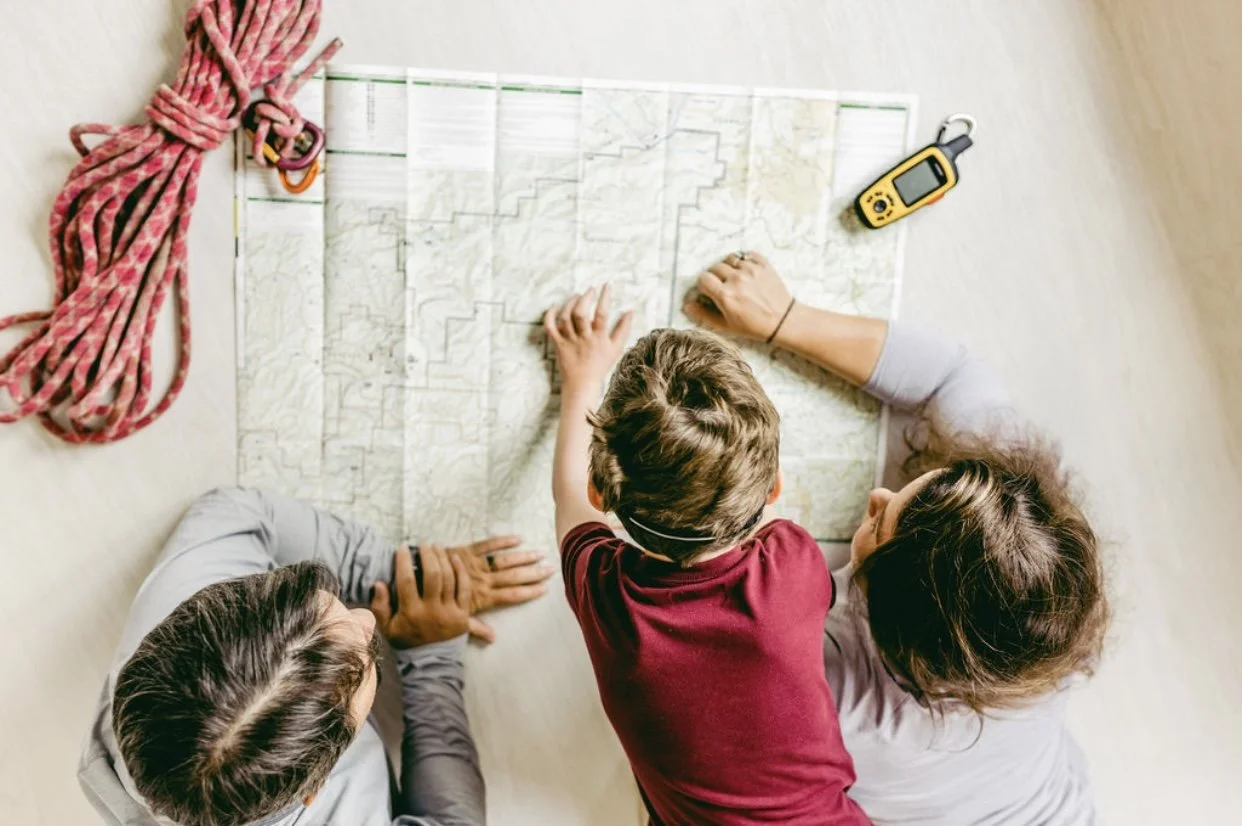
What to carry and what to leave behind: the phone, apps, lights, watch, and satellite communicator we bring to stay responsibly connected while still truly disconnecting on the trail.
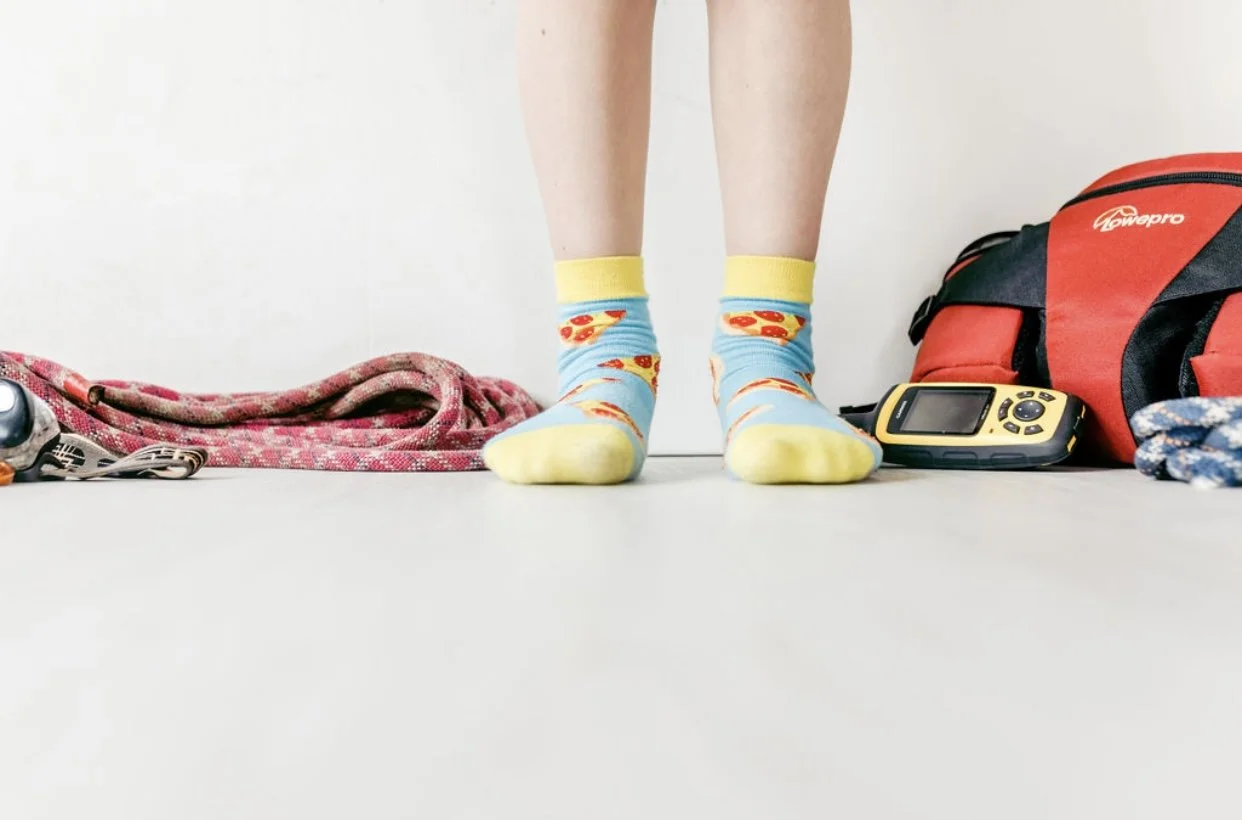
Which electronics are you grabbing - or leaving - on your way out?
This post contains affiliate links. If you buy through our links, we earn a small commission at no extra cost to you. Thank you!
For many, going outdoors is about leaving it all behind - well, almost all of it. I do take my phone, a flashlight or headlamp, my watch, and, depending on the location and duration, the Garmin inReach Mini. The great thing is that you can feel disconnected even while carrying a few electronics, because the last thing a lot of us want is to be mentally dragged back into the high-speed, always-connected world of modern society. I don’t want notifications, beeps, dings, and chimes. I care what’s happening — but this time is for me to let my mind settle and focus on the path ahead.
But…
I don’t want to get lost while checking out a new trail. I love taking landscape and nature photographs. I don’t want to be late for dinner. I can’t see in the dark if I get a little too far from the trailhead before turning back. And I don’t want Search and Rescue sent out just because I decided to have a quiet moment (or a couple of hours) of contemplation beside a babbling brook - while a loved one panicked because I didn’t answer a text immediately.
So yeah, I stay minimally connected when I’m disconnecting. The trick is to let it make you feel more comfortable and free to roam, not more chained down. Here are the electronics I carry to stay responsibly disconnected when I head out.
Phone. I keep my phone on me because it’s one of the best multi-tools out there. It takes pictures, tracks my hike on a map (even in airplane mode), helps me get back to the car, and has a built-in flashlight if I need one. If I want to know what a particular tree, bird, or flower is, the answer is right at my fingertips. I use it to grow my curiosity and learn about the world around me - not to scroll through whatever app is open - and that’s the key.
Apps. Trail apps like AllTrails and Trailforks are perfect examples: download maps at home and use them off-grid in airplane mode to stay headed the right direction, or to mark where you saw that amazing bird nest to check out later.
Lights. I have a love of flashlights: headlamps, handhelds, you name it. I keep both in my vehicle, since they’re easy to carry and recharge via USB, so they’re always ready to go. A tiny handheld like the Anker Bolder LC40 is a favorite to grab even when the sun’s out, and it can easily run all night. For a headlamp, the BioLite HeadLamp 200 is a great one to keep in the car. Both fit easily in a pocket and are priceless when you need them: lightweight, big light output, very packable… two thumbs up.
Watch. I wear a smartwatch. It tracks workouts, steps, heart rate, and tells the time. So why leave it at home? Keeping track of the time helps you get back to the trailhead when you said you would (which keeps you out of trouble with your spouse or partner), and all the other useful info is a bonus.
Communicator. The outlier here is the Garmin inReach Mini (or Garmin’s whole line of inReach devices), a satellite communicator that can also track your location. It’s small, simple to use, and can be the best tool you have if you or someone else gets hurt. It also lets a loved one know you’re just fine, so they don’t call Search and Rescue just to check on you. They can track your location even when you’re way, WAY off-grid, like middle-of-the-ocean or top-of-a-mountain off-grid. You can get weather updates or call for emergency services if you need it… or, more likely, if someone else does. It’s so small and unobtrusive you’ll forget it’s there, until the moment you need it. (We wrote a full review of the Garmin inReach devices, too.)
Now get out there and enjoy the wilderness. Walk, run, hike, bike, or just sit and look out over a beautiful view while enjoying a perfect breeze. With these tips, you can have all that and still make it home for dinner.
Review: Deuter Kid Comfort Series Carrier
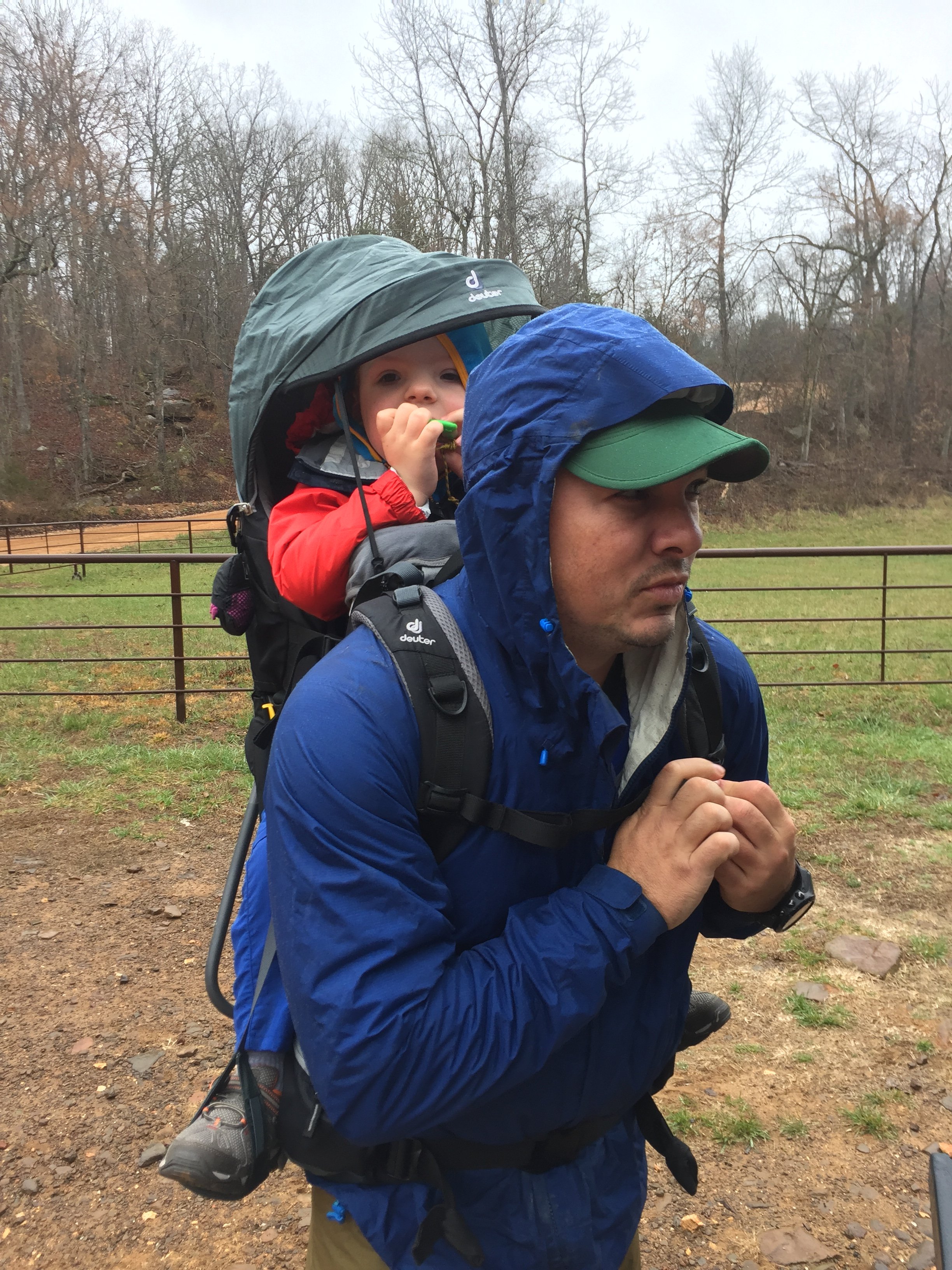
Our take on Deuter’s Kid Comfort carriers — the Venture, Active, Active SL, Kid Comfort, and Pro — with notes on fit, storage, the beefy load system (up to 48.5 lbs), warranty, and which ride suited our family best.
This post contains affiliate links. If you buy through our links, we earn a small commission at no extra cost to you. Thank you!
The Deuter Kid Comfort series was actually the second backpack carrier we tried in our toddler-hiking days. To be honest, it’s a strong contender for “favorite” — Matt preferred this Deuter while Cristen preferred the Osprey Poco (read about that one here) — but we were equally happy to carry either.
There are five versions within the series.
Kid Comfort Venture. This is their most basic pack, scaled to only the must-have features and at a lower price point. It gets the job done well, no complaints. It has the same hip belt and shoulder strap system as the other backpacks, but not the extra storage pockets and space you might want for longer or solo-with-the-kid treks. The sunshade can be added as an accessory.
Kid Comfort Active. This pack is actually a little lighter than the Venture, which is interesting. They start applying some better tech to the back with ventilation and adjustment abilities, and there’s a bit more storage. It’s a great option for not much more money over the Venture. The sunshade can be added as an accessory.
Kid Comfort Active SL. This is the Active pack, but sized for women. Not having tried this one directly, I’m not sure how I feel about it. Normally I’m all about women-specific gear, because we’re just built a little differently — but unless I knew I’d be the main person carrying the pack, I’d opt for the Active version that adjusts to fit a variety of people comfortably. For much shorter torsos, though, this could be a great option.
Kid Comfort. This pack has all the features of the Active version, but starts to beef up the comfort and add more pockets and storage. The biggest difference is that your little passenger gets a much cushier ride with the squishy pad in front. That can make a real difference for your child: as we hiked with The Dude in a backpack, he’d almost always fall asleep, and having this pad gave him support and a comfortable position no matter what the trail was like under mom or dad’s feet. The sunshade comes standard.
Kid Comfort Pro. This is the big dog of the fleet. It’s slightly heavier, but it adds the most storage for longer hikes, including a detachable daypack. That might not seem like much, but if you’re base-camping and making short, toddler-friendly “feature” hikes, the daypack is a nice bonus when you don’t want to carry the whole rig. It’s the coziest ride for the kiddo with a taller back and headrest, and it has space for a water bladder. Of course, the sunshade comes standard.
Each of these has the standard aluminum kickstand, so you can reach back, pop it into position, and set the backpack down safely on the ground without it toppling or having to keep a hand on it.
Our experience with the Deuter Kid Comfort Pro was that it somehow felt more heavy-duty than the Osprey Poco Plus. Heavy-duty wasn’t essential for his youngest years in a carrier, but this was the pack we reached for when our son was bigger and heavier and we needed a really beefy hip belt and load system. It did the job — we were able to carry him (plus gear) up to the pack’s max load of 48.5 lbs / 22 kg.
As for warranty, Deuter warrants its products against defects in materials and workmanship for the lifetime of the product (this doesn’t cover damage from extreme use, improper care, or the natural breakdown of material over time). If a product is deemed defective, Deuter will repair or replace it, and for damage not covered under warranty, they offer repair services calculated at the time of evaluation. As with any warranty, there’s some gray area around what counts as “extreme” or “natural,” so I’ll let you decide on that — but we’re very glad they offer repair services. Check Deuter’s site for the current, exact terms.
Deuter has been around since 1898, proudly making adventure gear for all manner of pursuits. They’re also quite committed to the planet and have been a bluesign system partner since 2008.
Finally, when your child has outgrown the carriers, Deuter offers comfortable, adventure-ready backpacks for them to get excited about carrying all by themselves.
Review: Osprey Poco Series Kid Carrier Backpacks
Our years-long take on the Osprey Poco family of kid carriers — the LT, Poco, and Poco Plus — covering fit, comfort, features, the 7-year guarantee, and how it doubled as our stroller on the trail and on the go.
This post contains affiliate links. If you buy through our links, we earn a small commission at no extra cost to you. Thank you!
When it comes to longer-ranging kid carrier backpacks, it’s hard to beat the Osprey Poco family of packs. The Osprey Poco Plus was one of the main items on our “desired” list, and I’m going to tell you why. As soon as our son was big enough — and his neck muscles strong enough — to sit in this pack, we were adjusting and fitting it to him to head out on hikes.
First, let’s talk about our reasons for this pack, then we’ll get into features. I had a sling and a front baby carrier to begin. They were wonderful when The Dude was teeny tiny, but as he grew, so did my back discomfort. I was already toting more weight on my chest than usual (cough, cough…), and adding another front-focused carrier just added to posture strain and muscle aches. For short periods — say, going to a farmer’s market — these worked fine.
Once he was big enough for the Poco carrier, though, there was no looking back. We were never fans of strollers, for many reasons, and we wanted something multi-use, regardless of where we were or what we were doing (you’ll see that’s a theme with us). So while we used the Poco for hiking and backpacking, we also used it in place of a stroller when we traveled: on the beach, in shops, through historical sites, you name it. We can’t even count how many times people stopped — even pulling their cars over — to ask what the backpack was because they wanted to find one.
Let’s talk about the Poco features and pros.
It’s adjustable for everyone. Both of us could use the same carrier, adjusting the torso length, shoulder straps, and hip belt to fit (Cristen’s 5’6”, Matt is just under 6’). It’s also very adjustable for the kiddo riding along, with foot stirrups and shoulder straps for them, too. When he was very little, we’d tuck a small blanket or stuffed animal around him to fill the space and create a comfier ride. The seat and straps also adjust for your child as they grow, accommodating a range of ages and sizes. From six months to three years old, this was a necessity in our gear packing — we were all sad when it was outgrown.
It’s lightweight. There are three options in the Poco family: Poco LT (lightweight), Poco, and Poco Plus. I’d look at Osprey’s site to compare the three and see what fits your needs best. Each has a different price point and is geared toward different levels of use — the LT is lighter, but the suspension system for back support is a bit heavier-duty in the Poco and Poco Plus. One note: take their Trip Length (Volume) measure with a grain of salt… it’s a kid carrier. Storage in the pockets is great compared to other carriers, but lacking compared to a standard multi-day backpack. If you’re backpacking with a baby or toddler, one person will focus on carrying the child and some essentials while the other carries most everything else. That’s just the nature of it.
Great warranty. Osprey has always been known for their “All Mighty Guarantee” — one of the reasons we look strongly at Osprey when we need a backpack. Wouldn’t you rather repair something that’s served you well than add to a landfill? The guarantee is adjusted a bit for their child carriers (safety standards necessitate different guidelines), yet it’s still quite generous: Osprey will repair any damage or defect for any reason free of charge during the first seven years from the date of manufacture, and if they can’t perform a functional repair, they’ll replace it. Check Osprey’s site for the current, exact terms.
Longevity. Did you catch that seven-year guarantee? Seven years, on a product that’s typically heavily used and still has life in it. When our boy outgrew the Poco, we gave it to friends having their first child. The thing is tough, hiked hundreds of miles with us, and still had more to give.
Special features. Some of this depends on which Poco you choose (these would all be on the Plus version): built-in sunshade, removable/washable drool pad, mesh side pockets for easy kid access, dual grab handles, external hydration sleeve, zippered hip-belt pockets for mom and dad, ventilated back panel, a collapsible kickstand (push it out for a stable base when you set the pack down, push it in to stay compact on the move), and lots of storage pockets.
Comfort. Truly, this thing is comfortable. The way it sits on your hips — just like your larger backpacks — distributes the weight off your shoulders and onto your lower body, so your center of gravity feels good and you’re not tempted to lean forward. You can hike miles and miles in this pack and still feel good at the end of the day. We strongly recommend hiking with trekking poles, because you have a baby strapped to your back and stumbles can happen.
Extras. Osprey also makes a rainfly for this pack that allows ventilation and visibility for your little one, plus a carrying case if you want to protect it as a checked bag on a flight.
Now, our limited list of cons.
It could be considered bulky. Yes and no. Compared to other backpack carriers, it’s no different, and we think it’s less intrusive than a stroller. Of course it’s not as small as a sling or front carrier, but your back will thank you for sacrificing the space in your car for the Poco.
It’s pricier than other carrier backpacks you might find at box stores or online. But those carriers aren’t going to have the kind of engineering Osprey has put into the Poco series. As always, find what works in your budget — but if you plan on using this carrier most of the time, try to find a Poco that fits you. You might even get lucky on one of the pre-owned or discount sites we talked about in our “8 Places to Save Money on Outdoor Gear” post. The other backpack carrier we’ve had experience with is the Deuter Kid Comfort series — read that review to compare!
The Osprey Poco Plus was our first child carrier backpack, so it stays dear to our hearts. We often think fondly of the long hikes we used to do with The Dude strapped in, singing along and asking to touch the trees as we strolled. Like many parents, we’re happy to see our boy growing strong enough to join us on his own two feet — but we have great memories of pulling the Poco out for a new adventure. Hopefully you’ll have the same experience if you decide this carrier is right for you. And when your kiddo is big enough to hike independently, have them help carry, too — Osprey makes a wide range of kid-sized backpacks for them to begin adventuring alongside you.
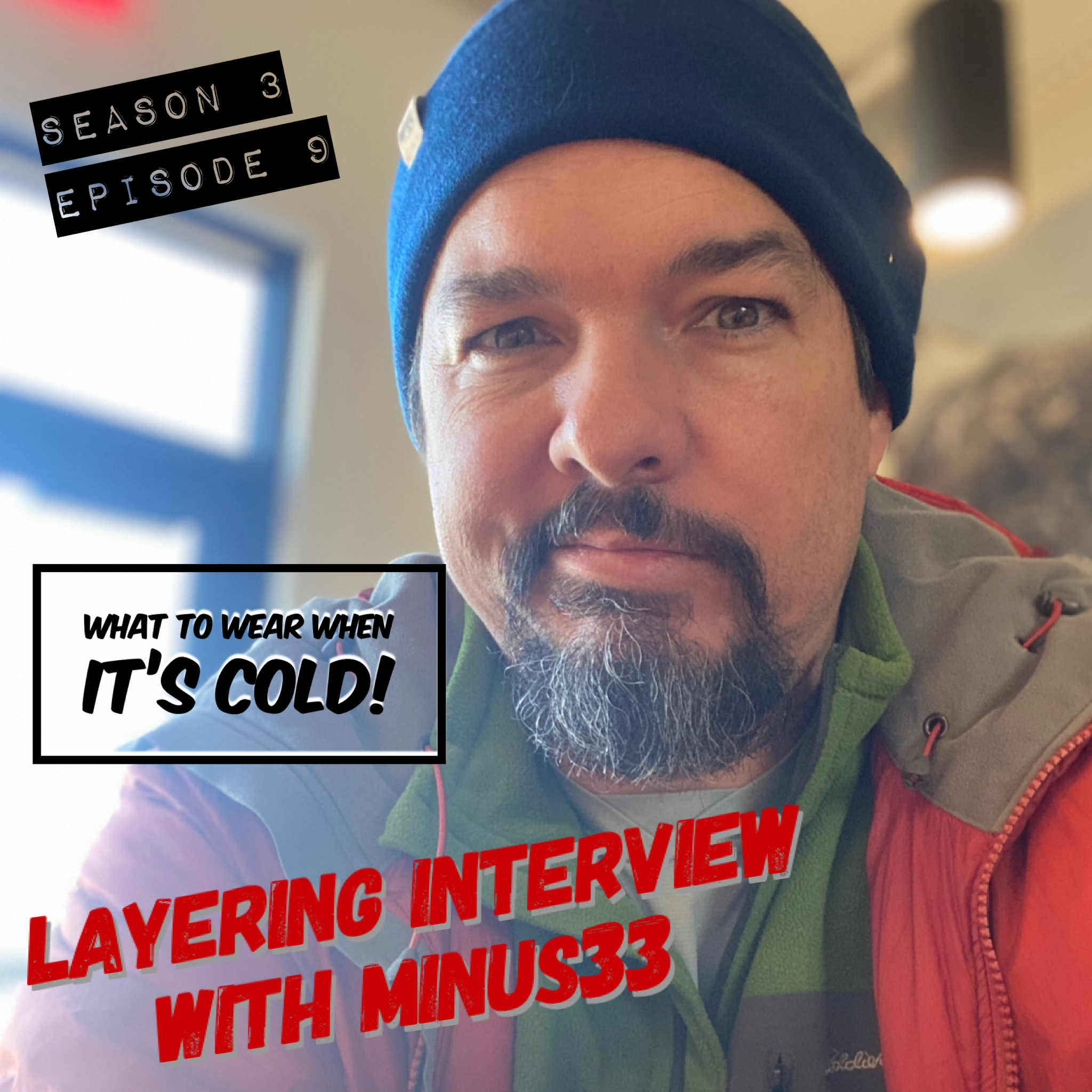
(Podcast) Season 3, Episode 9 - Layering Basics: An Interview with Lawson Glidden of Minus33
Join us as we interview Lawson Glidden of Minus33, makers of soft, warm wool products of all kinds, as we talk about their business and the art of layering for cold weather.
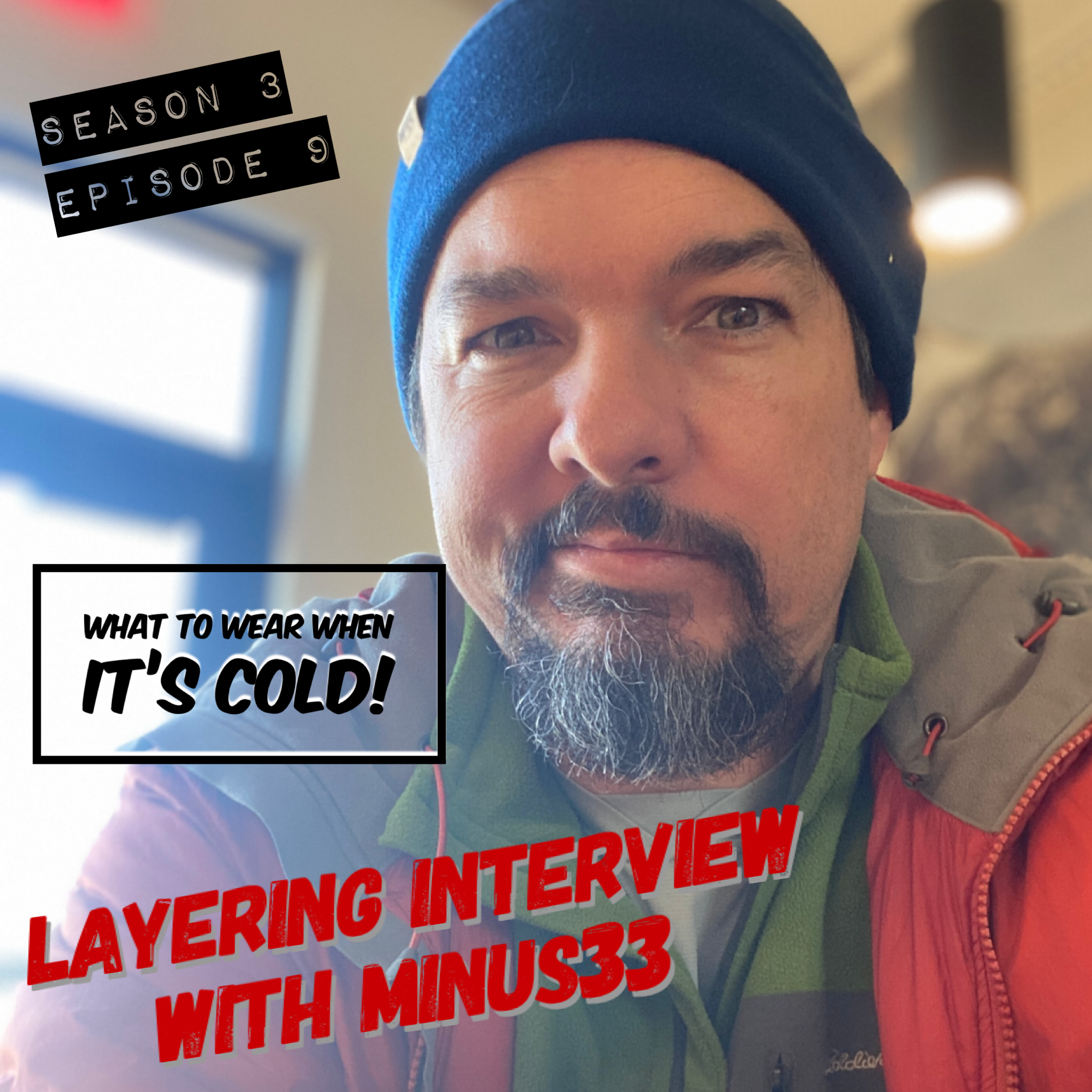
Season 3, Episode 9. We've got a guest! Lawson Glidden — President of Minus33 Merino Wool — joins us for a deep dive into the world of layering. Minus33 is a family business out of New Hampshire with over a hundred years of textile history behind them, and Lawson knows his stuff. He walks us through why merino wool is such a game-changer as a base layer — it wicks moisture, regulates temperature, and (here's the big one) doesn't stink after a few days on the trail. We talk through their full product range — socks, base layers, mid-layers, shirts, hats — and Cristen and I share our own layering wins and fails over the years. This was actually Minus33's very first podcast appearance, which is pretty cool. Full disclosure: we're affiliates (not sponsored), so if you grab something through our links, we earn a small commission — but we genuinely love the gear.
(Podcast) Season 3, Episode 7 - Adult Weekend Adventures (The Kids Will Be Ok)
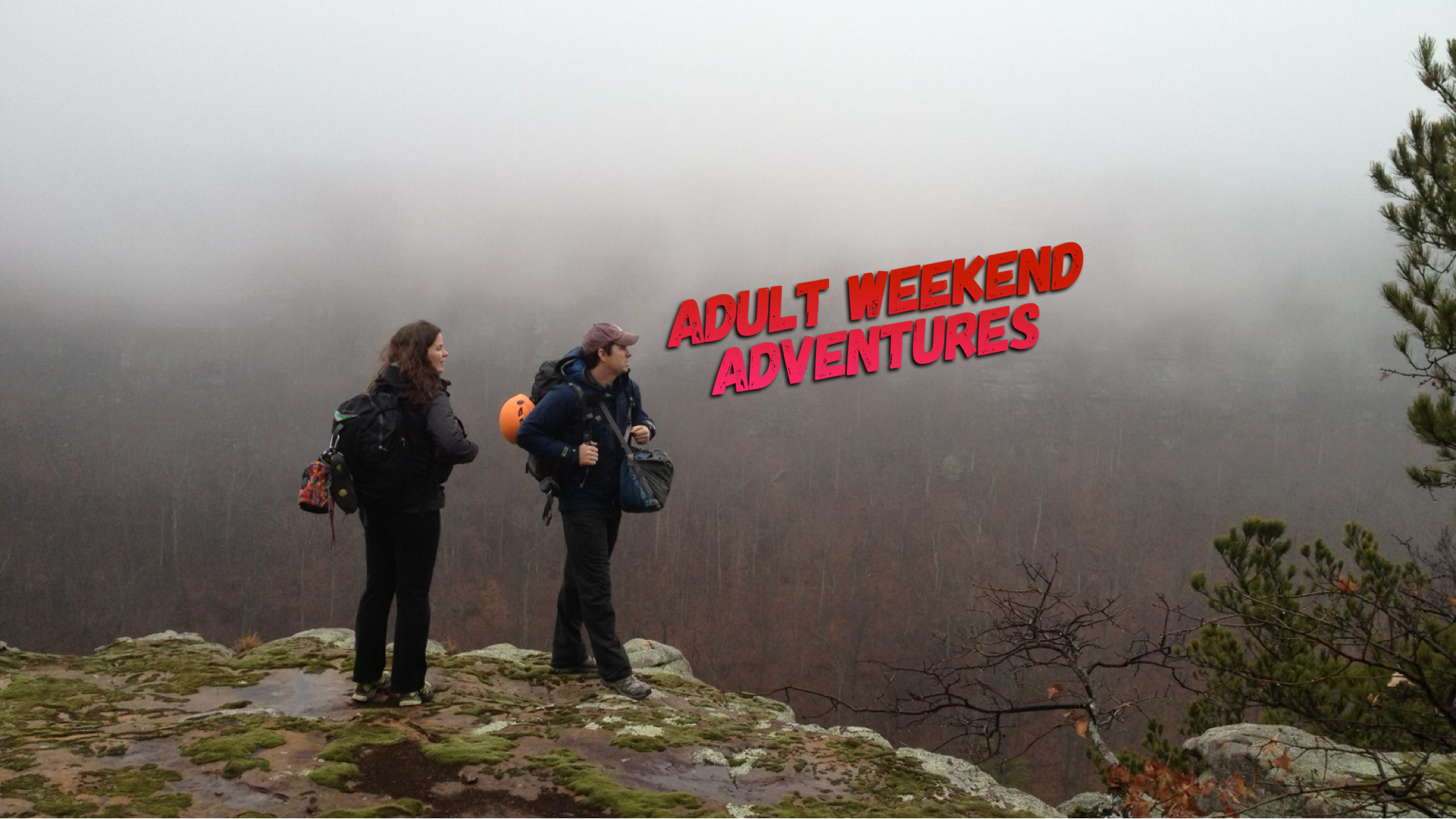
Sometimes the adults need to get away and play, too. Kids, it’s time to stay with the grandparents or buddy-sitter… Mom and Dad need to have some reconnection time - it’s healthy for everyone.
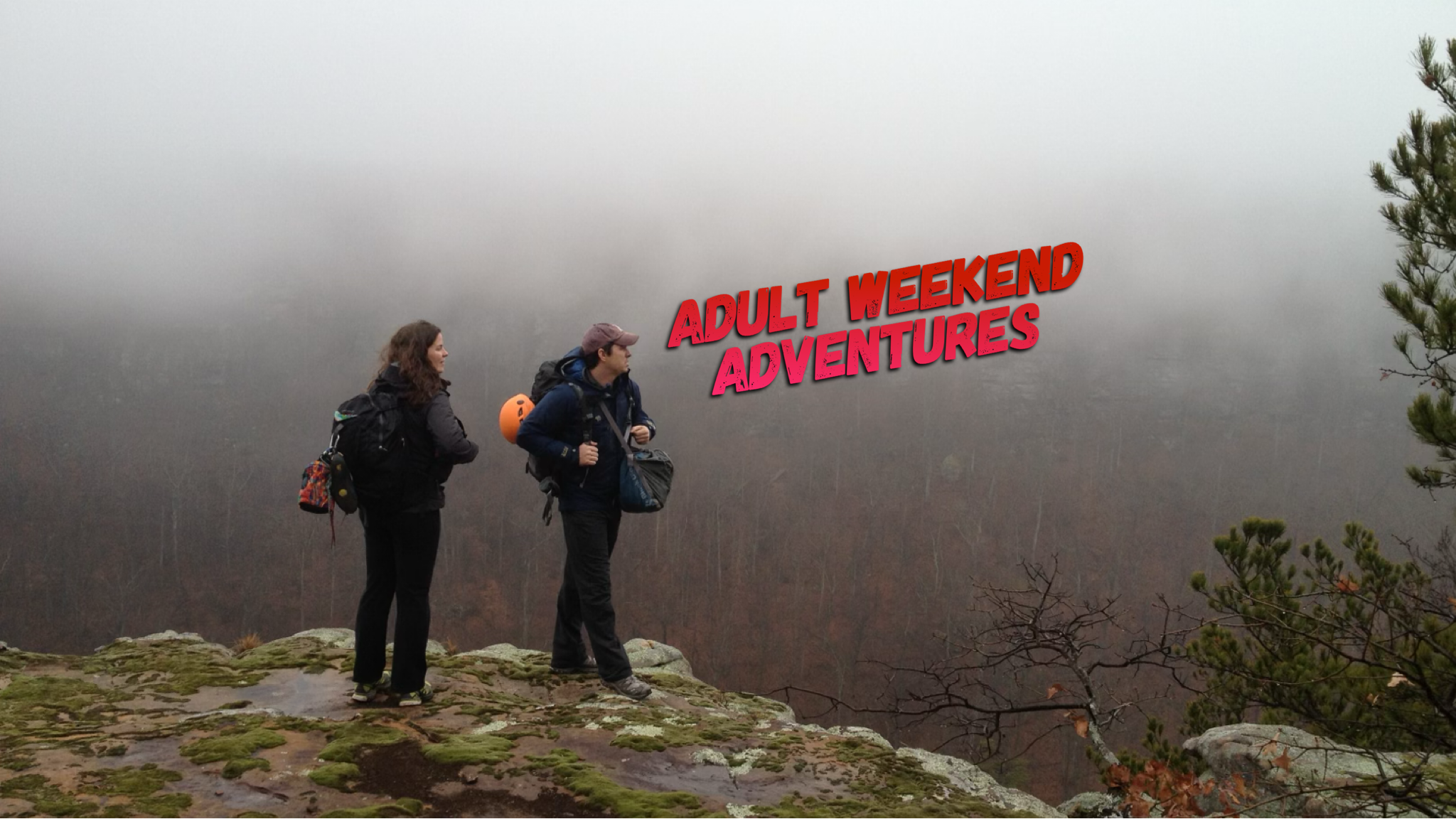
Season 3, Episode 7. Okay parents — this one's for you. We're talking about getting outside without the kiddos. Solo trips, couples getaways, weekends with friends — all of it. Cristen and I dive into why it's so important to carve out that adult time in the outdoors, even when it feels impossible to step away. Turns out, absence really does make the heart grow fonder — you come back recharged, more patient, and honestly a better partner and parent for it. We share some of our own experiences sneaking away for a night or two, and we talk about how to make it happen without the guilt. We also mention Eddie Bauer's gear rental program — a great option if you want to try something new (kayaking, backpacking, whatever) without dropping a fortune on gear you're not sure about yet.
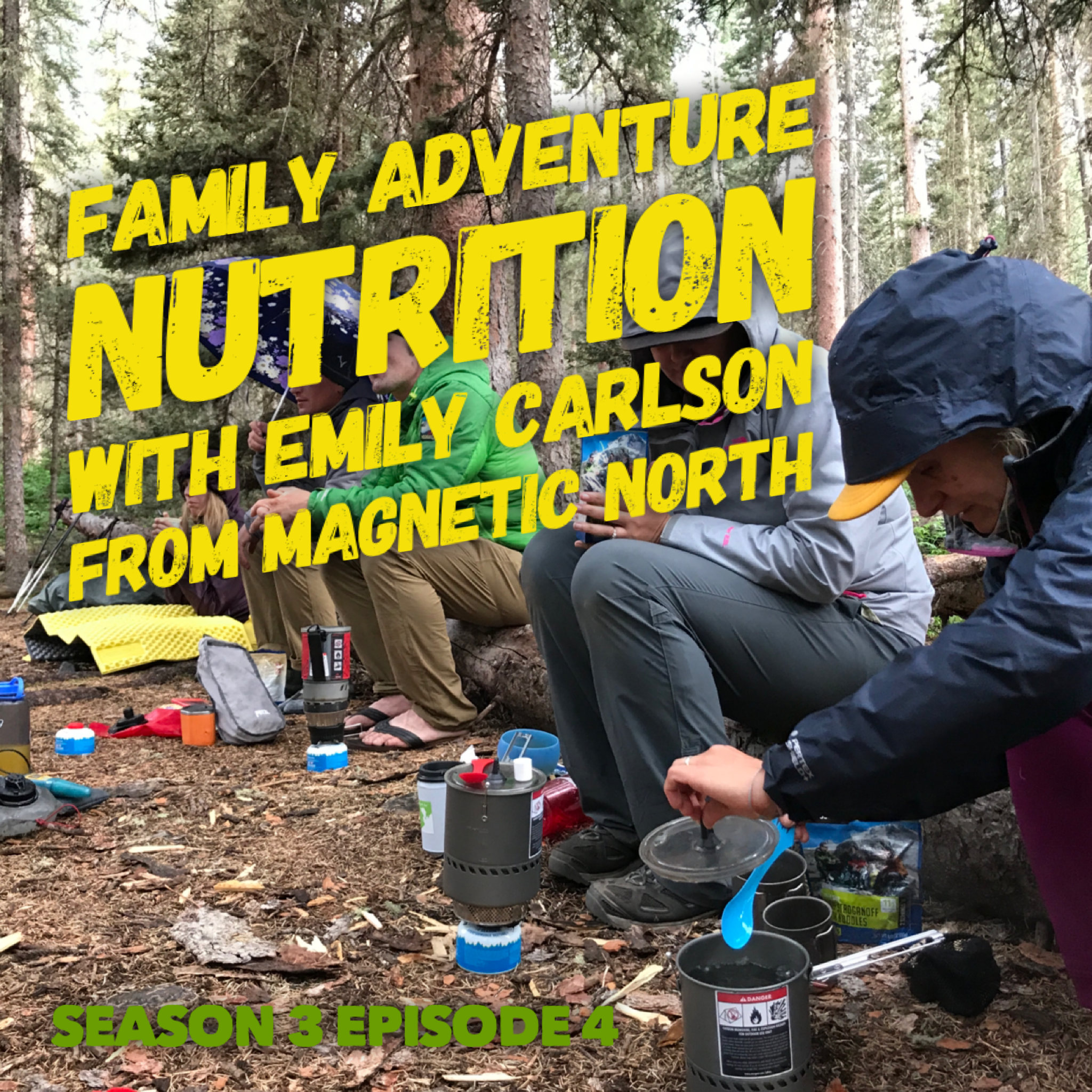
(Podcast) Family Adventure Nutrition with Emily Carlson (Magnetic North)
How do you best feed your family well when you’re outside and active? In this episode, we interview Emily Carlson from Magnetic North.
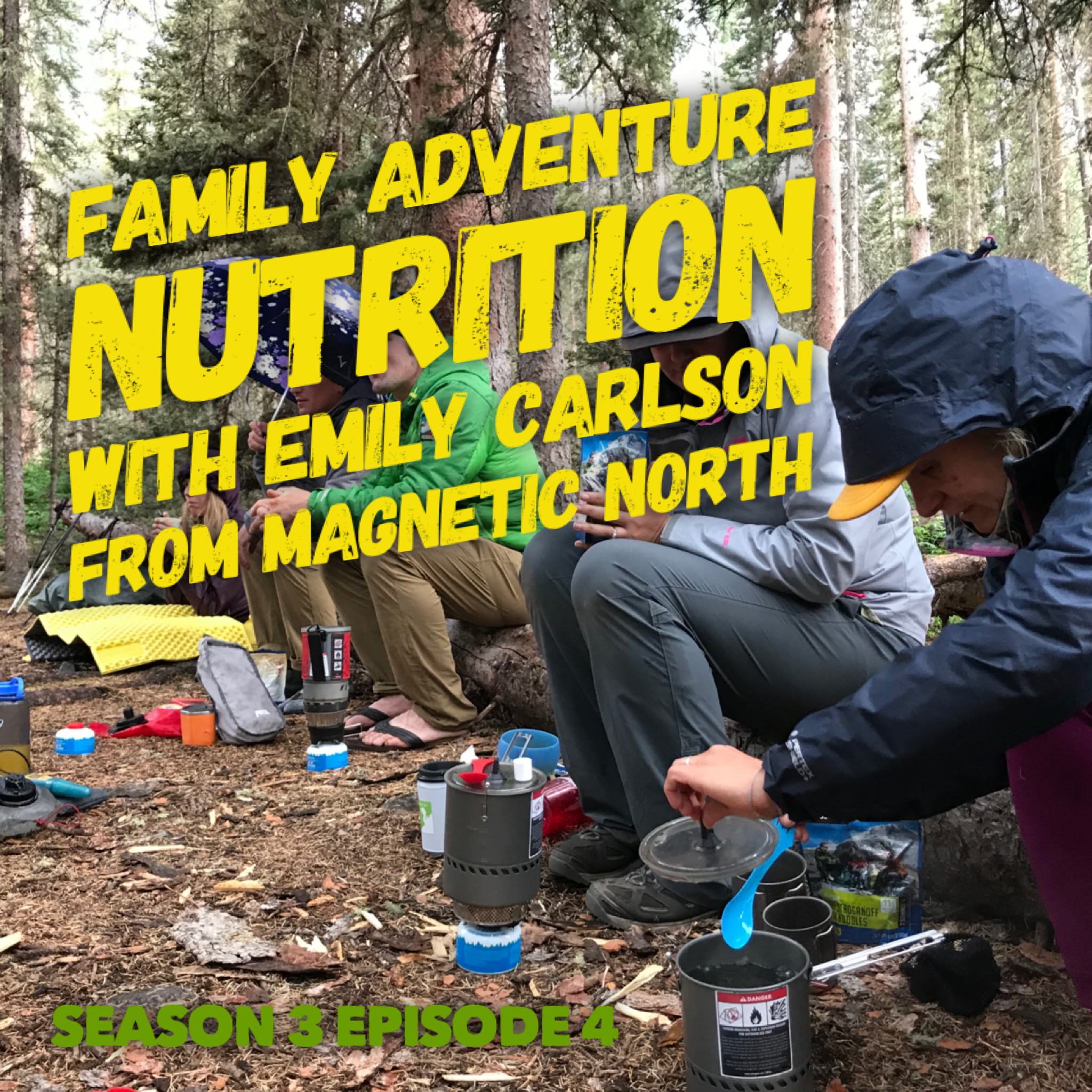
Season 3 Episode 4.
In this episode, we talk with Emily Carlson of Magnetic North (magneticnorth.us) about family nutrition across a variety of outdoor activities and ages of participants! Magnetic North focuses on durability training — continuing to do the things you love for as long as you want to do them.
Covered in this episode: the best foods to pack for outdoor adventures; whether packaged foods are necessary; choosing foods that power you best for the activity you’re doing; including kids in food packing; grab-and-go vs. full-on cooking; carbohydrates, proteins, and fats and what they do for us; short trips vs. long trips; how elevation affects the way your body burns fuel (and water); the other necessities of sleep and hydration; how to avoid spikes and crashes; how elevation changes the macros your body burns; things you can do to help your body prepare in the weeks leading up to a longer trip; supplements and shakes; why taking your time with meals matters; how stress affects digestion; fads and fasting; and a super-special secret s’mores technique!
We loved creating this episode — there are so many wonderful nibbles about nutrition and fueling yourself and your family for any adventure. If you’d like to learn more about Magnetic North, their new Durability School, or one-on-one coaching with Emily (she’s awesome, and so is her cohort Brittany), find them at magneticnorth.us and on Instagram @magneticnorth___. Thanks for listening and sharing our podcast!
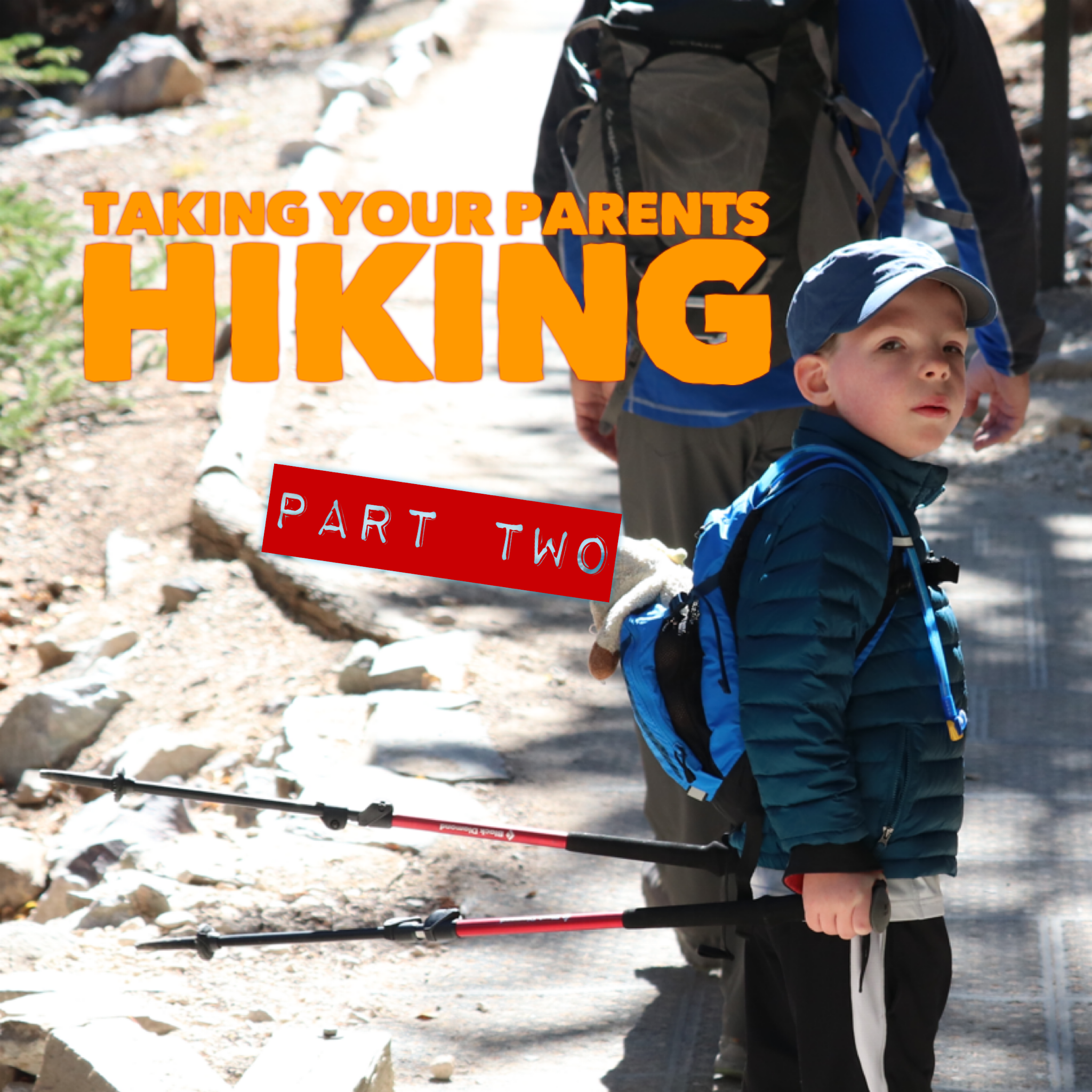
(Podcast) Taking Your Parents Hiking: Part 2. Going Farther & Bryce Canyon Adventures
Season 3, Episode 3: taking your parents hiking, Part 2 — going farther, from short walks to all-day hikes, plus clothing and layering, gear, first aid, and Bryce Canyon adventures.
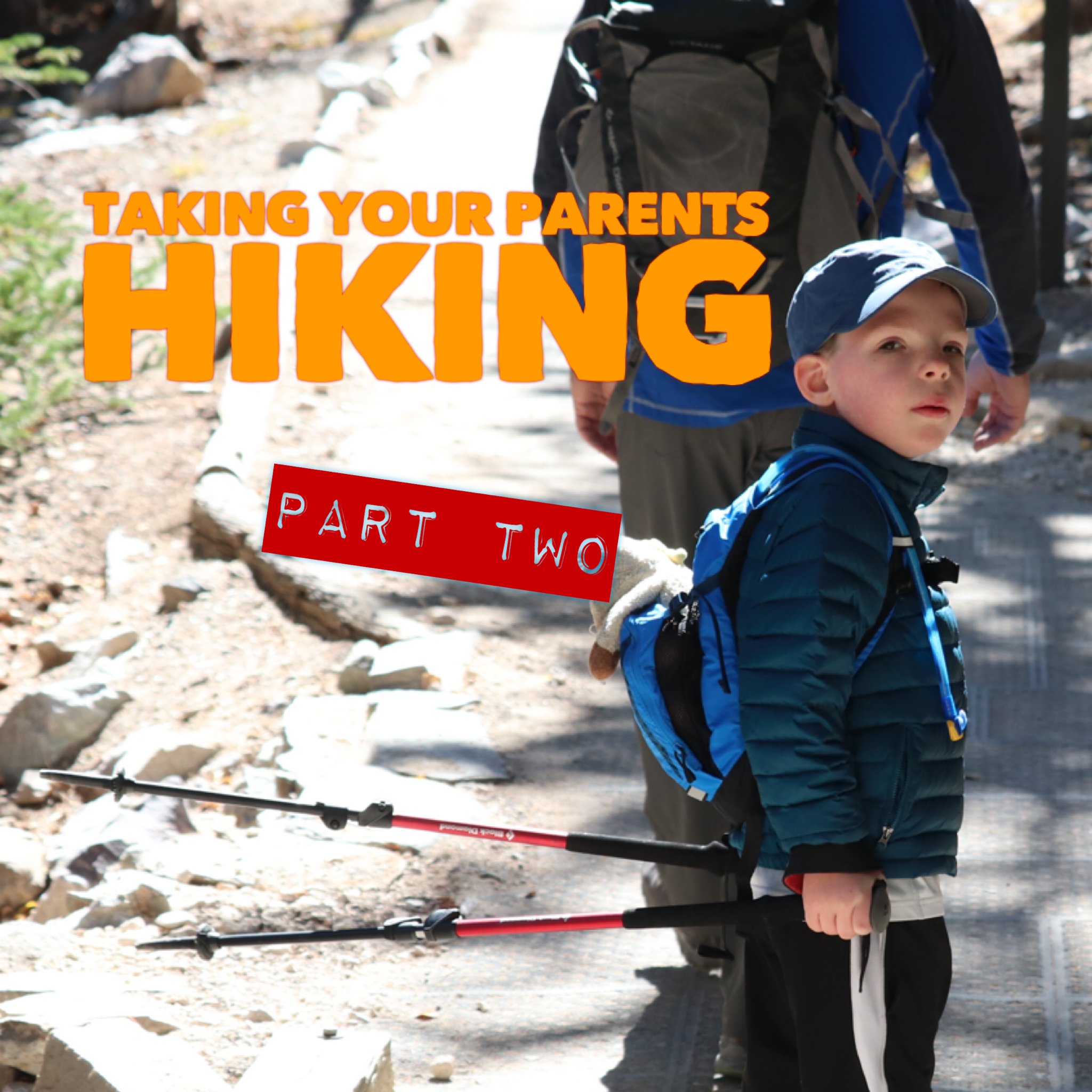
Season 3 Episode 3.
In this episode, we help you go farther. Beginning with short 1–3 hour walks, we move into the realm of hiking all day and building up distance. We talk about clothing — including rain gear, base layers, and why to avoid cotton. The right gear can really make the difference: we go into depth about what to wear and how to outfit your family so everyone can focus on the fun and not on being miserable. We also share some basic first aid tips — always seek expert advice when you get the chance. This is all in an effort to give you the skills and knowledge you need to feel comfortable pushing farther into the outdoors with your adventures.
Apps we use: AllTrails and Trailforks.
Adventure clothing and gear we mention: Backcountry.com, Eddie Bauer, Title Nine, REI merino wool socks, a hiker’s first aid guide and first aid kits (My Medic), a moleskin blister kit, and our favorite Black Diamond trekking poles.
(Podcast) A Kid’s Guide to Taking Your Parents Hiking: Part 1
Season 3, Episode 2: a kid’s guide to taking your parents hiking — motivation, tips, and tricks to get the whole family outside, from nature walks to all-day epics (Part 1).
Season 3 Episode 2.
Kids, are you tired of being indoors? Do you have a thirst for adventure that YouTube is just not satisfying? We here at Keyword Adventure are here to help! In this episode, we share ways to teach them how to get outdoors and start soaking up some fun. From nature walks to all-day epics, we give you tips, tricks, and fun advice for getting outside. Remember to take those pictures!
We help you find the motivation to get outside and explore the world around you!