
10 Family Adventures for Those Last Two Weeks of Summer
The clock feels like it’s ticking with summer winding down and preparing for a new school year to begin again. But not all is lost! You still have a couple of weeks. Here are some ideas for summertime, close-to-home things to do to soak up that last bit of summer together.
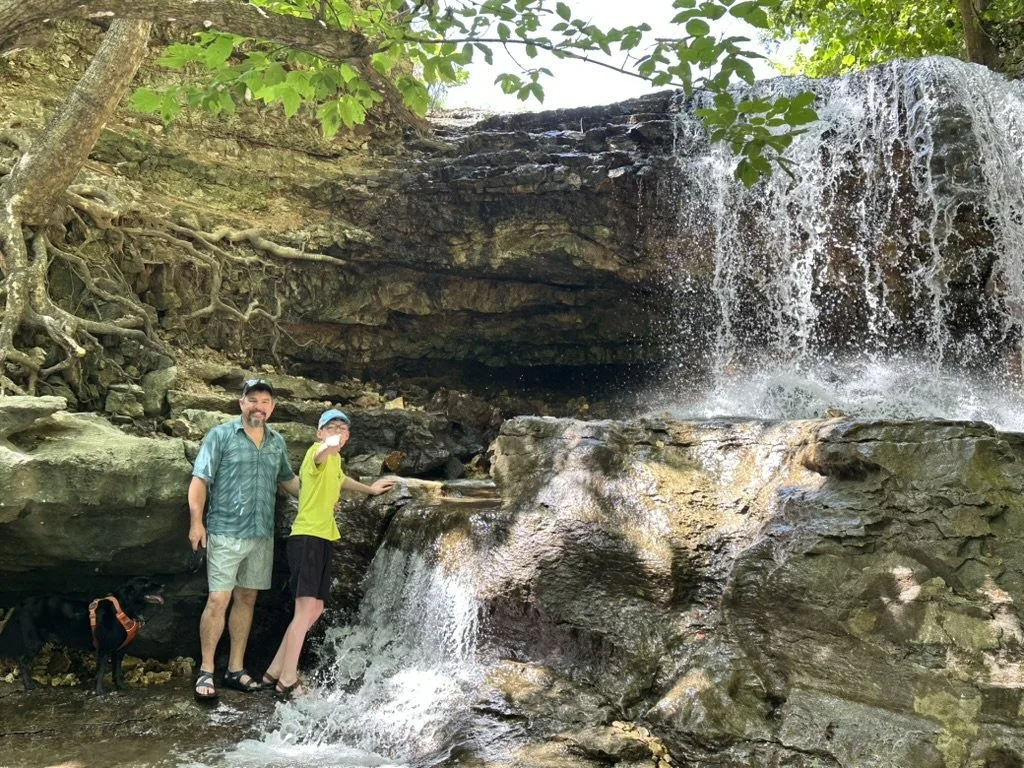
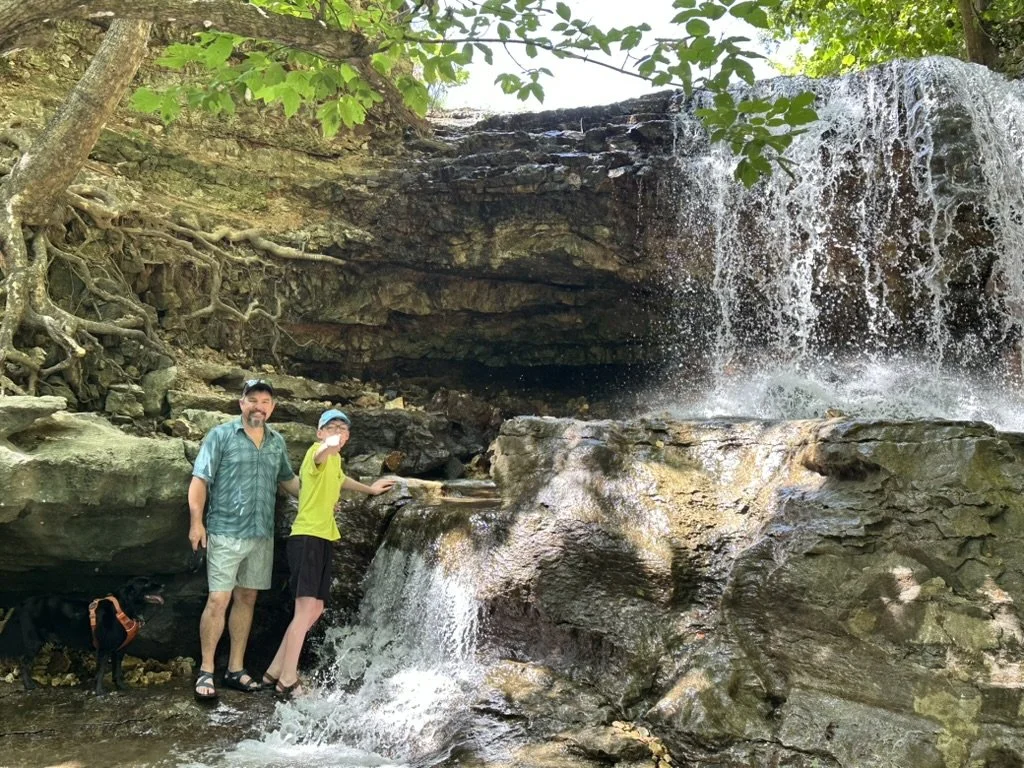
We’ve spent a lot of time in Northwest Arkansas - years! - only to JUST discover the beautiful Tanyard Creek Trail in Bella Vista.
We’re in that late summer vacation window. The hot, lazy days that drag on but we know are so short-lived. School's coming, boredom exists but the time feels short, and a big trip isn't really on the table anymore. This is exactly the window where "adventure is up to the person participating" is important to see. It’s that final hurrah of time when you want to squeeze the last drops of fun that can fit - the ice cream, swimming, memories, and outings - before earlier mornings, tighter schedules, and different responsibilities settle back in.
We put together some ideas for some local-focused fun. None of these require more than a couple hours from home or much of a budget, and every one of them is a real adventure if you or the kids have never done them before.
1. Find a local "first" hike. Not the trail you always do, but a new (even short) one, within about 30-60 minutes of home. New terrain, even nearby, resets a kid's sense of exploration. Bonus points if it has water accessibility along the way for a cool break along the way.
2. Build a backyard or local-park campout. Tent, headlamps, one "camp meal" cooked outside, and if you can swing it, actually sleeping out there. This is a genuinely great trial run before a real camping trip, the preamble to some cooler fall camping trips, and low-stakes with amenities easily reachable.
3. Do a sunrise or sunset outing. Pick a local high point, lake, or open field and go watch the sky do its thing. Kids remember these more than you'd expect, and it costs nothing but a slightly rough wake-up. See if some friends would like to join!
4. Water day, however you can get it. A local river, lake, splash pad, or even a sprinkler-and-water-balloon backyard setup. Late summer heat makes this an easy win. Parents, let this include you.
5. Geocaching or a scavenger hunt hike. Turn a regular trail into a hunt with a free geocaching app, or make your own list of things to find - a certain leaf shape, a bug, a specific color in nature. Purpose changes how kids experience the same trail. We also have the 30-page Keyword Adventure Trail Guide that includes a pre-made scavenger hunt list (among other lightweight games) and other fun intro-to-adventure education for the whole family.
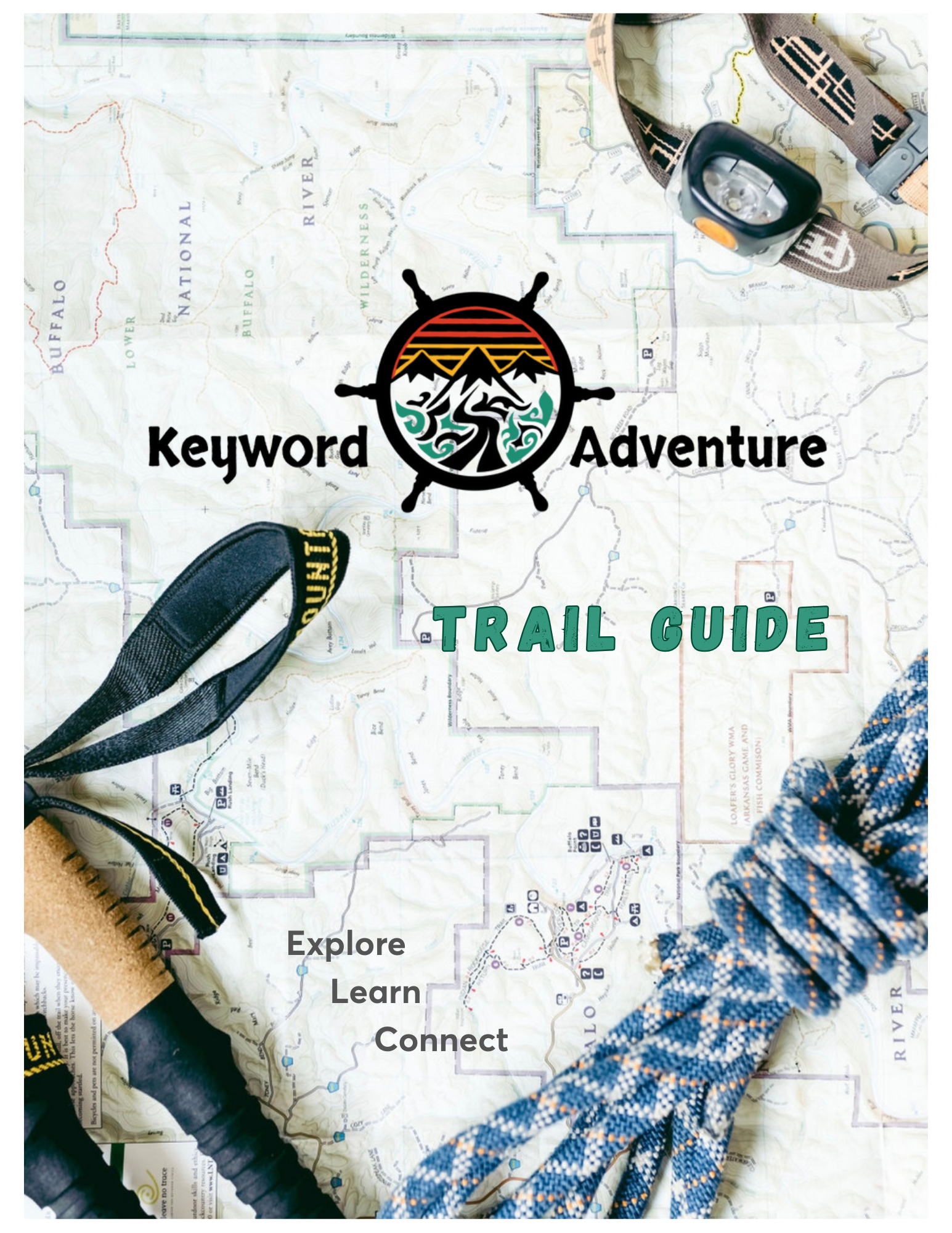
This is our Keyword Adventure Trail Guide ebook! 30 Pages of fun information and facts about adventure activities, terminology, games, knots, and more.
6. Visit a local nature center or small museum you've been meaning to get to. These are chronically underrated by families who live nearby and "can go anytime" which usually means it’s always put off (for us locally, it’s the Missouri Institute of Natural Science with real dinosaur skeletons!). Two weeks left of summer is the perfect deadline that gets it on the calendar.
7. Bike a new-to-you trail or greenway. Even a familiar town looks different from a bike, and a new stretch of trail is an easy half-day adventure. Check out the AllTrails or TrailForks apps if you need trail finders and resources in one place.
8. Plant something and make it a project. Not glamorous, but genuinely great for connecting kids to the idea that nature is something you tend, not just visit. A late-summer planting, a small garden bed, even a pot on the porch. By now, some of our spring-sewn plants have run their course and it frees up space for something new.
9. Do a "no phones" outdoor evening. Fire pit, flashlight tag, stargazing, whatever fits your space. The magic here is less about the activity and more about the uninterrupted attention.
10. Let your kid plan the last adventure of summer themselves. Hand them a map, a short list of nearby options, or just the question "what do you want our last summer adventure to be?" Kids engage differently with a plan they had a hand in building, and it's a nice way to close out the season on their terms. We know we always craved for time on rivers as kids!
Why the "last two weeks" window matters:
There's something about a deadline that makes people actually do the things they meant to do all summer, or maybe reflect on how fast the time passed. No regrets if you didn’t get to the things you had in mind at the beginning of the summer: that’s just life. We treat these last two weeks less like an obligation to cram in fun and more like a chance to slow down and spend good time together… the exact opposite instinct of a packed vacation. Some of our best family memories have come from a random Tuesday afternoon thirty minutes from home. Plus, appreciating that adventures that are close to home gives us the ability and experience to return to them throughout the year.
Happy summer, everyone, and we wish you a great return to the school year and routine!
Gear That Just Fits: Sensory-Friendly Outdoor Clothing for Kids and Adults
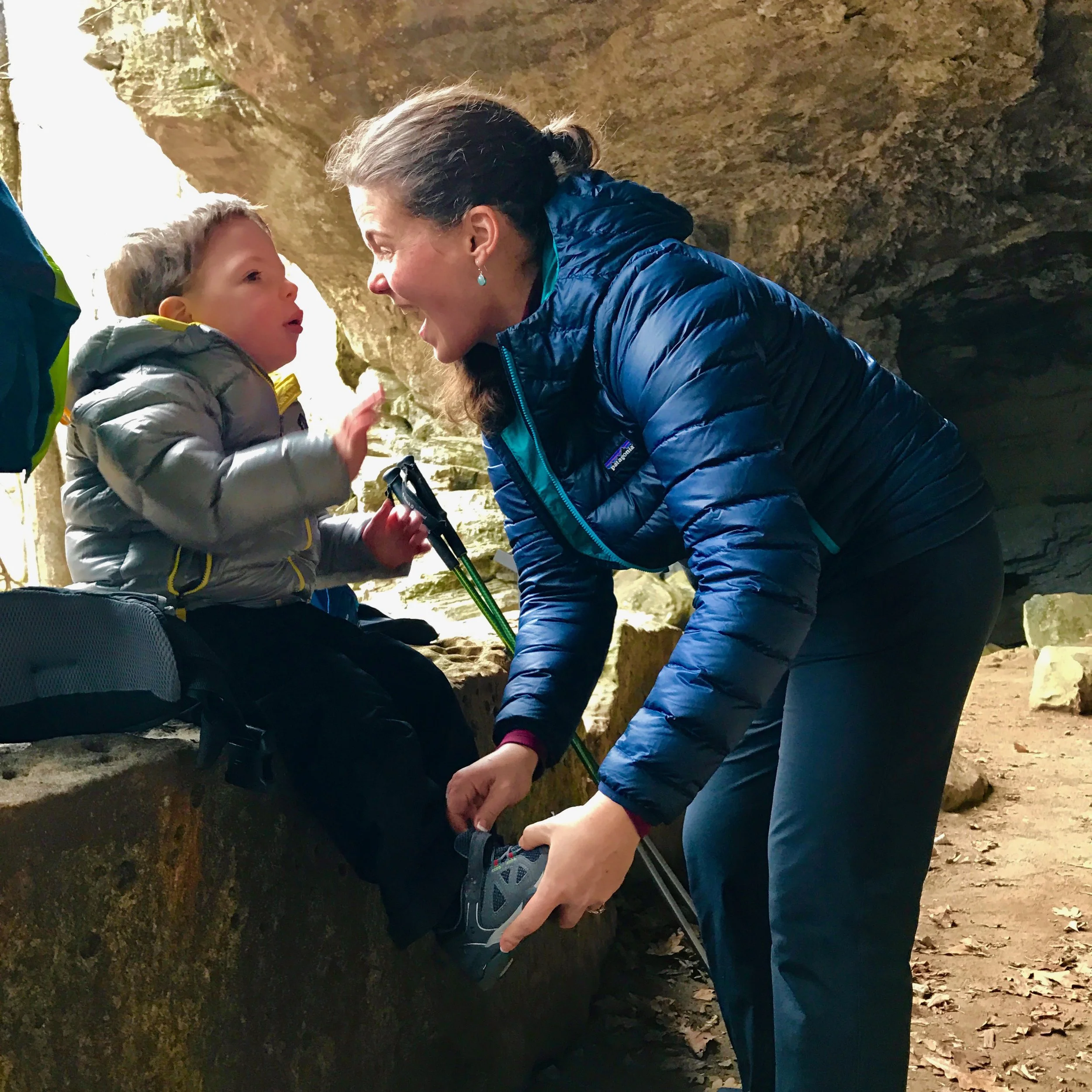
Helping outdoor adventures feel accessible to everyone starts with making sure they can comfortably join us! While some adventures are as simple as neighborhood park visits or walking in the backyard, others take more preparation and that’s when clothing and gear begins to make a huge difference on the overall experience.
Sensory-friendly clothing and gear exists more than ever - this article covers what to keep in mind while shopping for sport-specific activities and sensory needs. Happy adventuring!
It happened again. I was standing in the kitchen when The Dude came around the corner with scissors in one hand and a vice grip on a tag stitched into the inside of the shirt he was wearing.
“Cut it off, please.” He didn’t even have to say it, though. I knew as soon as I saw the tool in-hand what the request would be. It’s not the first time and it won’t be the last. With a surgical precision and a concerned kid who didn’t want the shirt to be damaged (because he liked it except for that darn tag), it snipped the tag away.
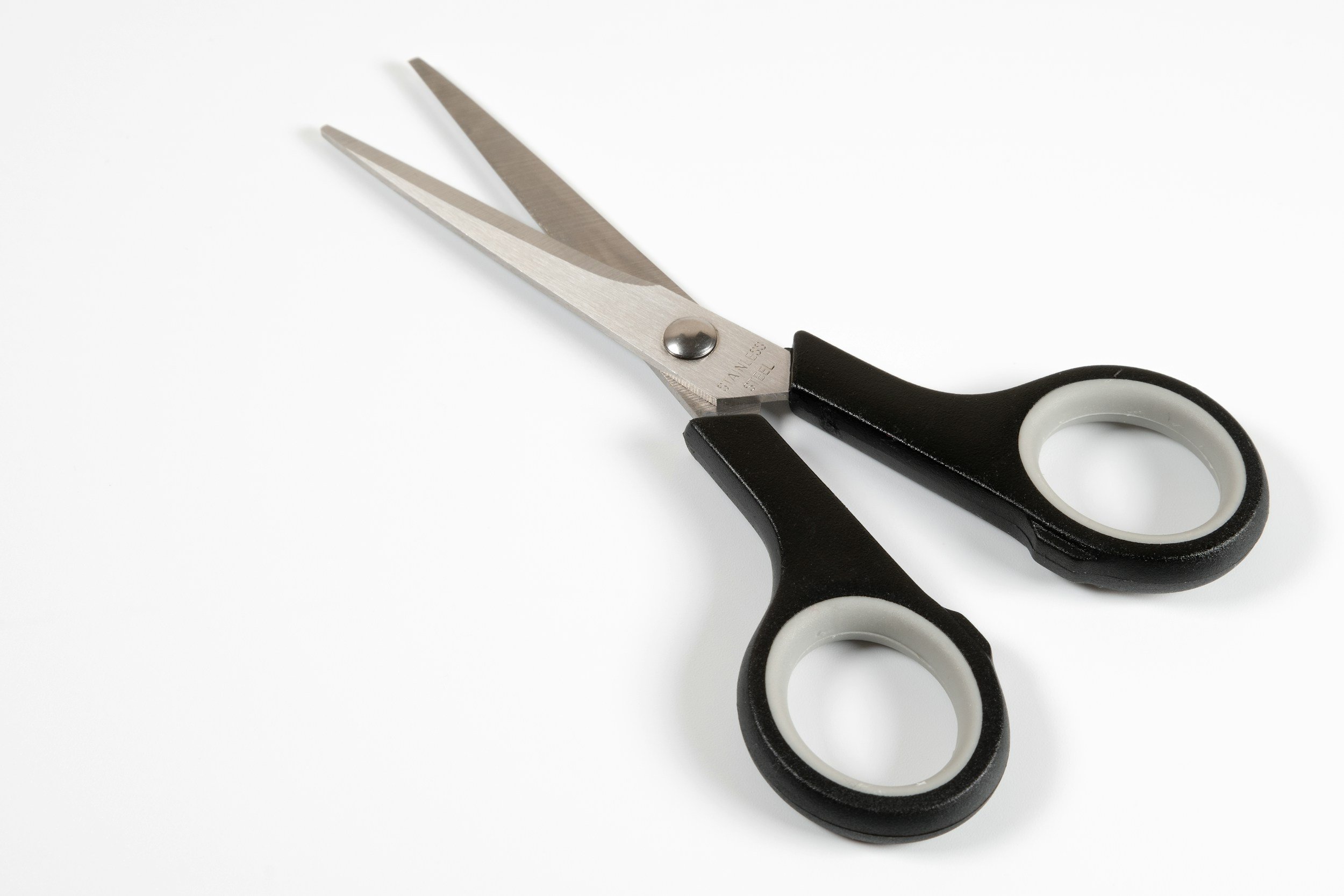
Get the scissors, for the love of all that’s scratchy…!
For a lot of us, the hardest part of getting outside isn’t the trail, the water, or the miles - it’s the getting dressed part. A scratchy tag, a seam pressing across the toes, a helmet strap that pressed around an ear in a weird way, a swimsuit that grips in all the wrong places: any one of these can end an adventure before it begins. And it isn’t only our kids. Plenty of adults quietly skip activities they’d otherwise love, simply because the gear is unbearable against their skin.
Sensory sensitivity shows up often in autistic and ADHD folks and in anyone living with Sensory Processing Disorder, but none of us needs a diagnosis to loathe a bad seam. The good news is that the outdoor and apparel worlds have caught up. There’s a real range of clothing now built to blend in the moment it goes on. Here’s what to look for, along with the brands and specific pieces worth knowing, organized around the activities we love.
What Actually Makes Clothing Sensory-Friendly
Before we get to brand names, it helps to know which features matter. When we can read a product page or feel a garment in a store, these are the green flags:
- Tagless or printed labels. Traditional neck and waistband tags are one of the top offenders. The best pieces print the care information directly onto the fabric so there’s nothing left to itch. If a tag does exist, look for one that’s been heat-pressed flat - or plan on carefully removing it.
- Flat, external, or seamless construction. Raised interior seams rub, especially at the shoulders, underarms, and toes. Sensory-focused brands use flatlock seams, move the seams to the outside of the garment, or knit pieces seamlessly so there’s no seam at all.
- Soft, breathable fabrics. Organic cotton, bamboo, modal, and Tencel are naturally smooth and gentle. Patagonia has Capilene, a silky synthetic fabric. Fine merino wool works beautifully too, and the trick there is fiber diameter. Anything under about 18.5 microns bends on contact with skin instead of poking it, which is why fine merino doesn’t feel like the itchy wool many of us remember from childhood (this still really depends on the person’s sensitivity level, though).
- Simple, gentle closures. Metal buttons, stiff zippers, and tight elastic can all be triggers or even challenges for people with finger dexterity or strength issues. Velcro, magnetic closures, encased soft waistbands, or no closure at all tend to go over much better.
- Solid colors and minimal print. Heavy screen-printed graphics and dye-stiffened patterns can feel rough, or just plain loud. Many sensory-sensitive kids prefer quiet, simple color schemes.
- Compression, when it helps. This one is a bonus rather than a requirement. Snug compression garments provide deep-pressure input that many may find genuinely calming and organizing, and they layer neatly under other outdoor gear. The opposite can also be true - again, it really depends on the person and trying options to see what works.
One note on fit: with swimwear and anything worn wet, buy snug. Suits loosen in the water, and a secure fit often feels safer and less fidgety, not more.
Trail Clothes and Base Layers for Hiking
Hiking is mostly a base-layer-and-socks game, which makes it the easiest activity to solve.
Socks come first and this is a big one. Seams across the toes can cause more discomfort than nearly anything else in the drawer. SmartKnitKIDS seamless socks are knit from the toe up with no seam at all, hug the foot so they don’t bunch, and wick moisture, which matters on a sweaty trail. For the kids (and adults) who genuinely hate socks, FLAT SOCKS take a different approach - a trimmable, no-show insert that sits inside the shoe, so feet feel bare but stay dry and blister-free.
Bamboo-blend sensory socks from CalmCare and Parker & Talia are another soft, moisture-wicking option. For cold-weather hikes, fine merino socks regulate temperature without the itch. Minus33, Darn Tough, and Smartwool all have versions of seamless or “virtually seamless” comfortable wool socks for kids and adults. They also last a long time.
For everyday tagless kids’ clothing, Primary is a fan favorite: solid colors, no logos, no scratchy graphics. Cat & Jack Adaptive at Target offers tagless, flat-seam, soft cotton-blend pieces at approachable prices, and Kickee Pants and Lucky & Me are both beloved for their buttery modal and bamboo blends. We’ve also had luck with Patagonia’s Capilene clothing over the years, though we do end up cutting the tag out of the side seam of the shirts many times.
When we need a little extra regulation on the trail, a compression base layer can take the edge off. Kozie Clothes (designed by a pediatric occupational therapist) and JettProof both make four-way-stretch compression shirts and undervests meant to be worn under a regular hiking shirt, with external stitching and stamped labels so there’s nothing rough on the inside. JettProof’s fabric wicks moisture too, which matters once we’re moving.
Adults, don’t skip yourselves here. Fine merino base layers from Smartwool or Meriwool are soft enough for next-to-skin wear (look for roughly 16.5 to 18.5 micron and OEKO-TEX certification). Tencel and silk are excellent smooth alternatives if wool isn’t your thing, and both JettProof and FLAT SOCKS make adult sizes.
On the Water: Paddling, Swimming, and Beach Days
Water gear is uniquely tricky. Wet fabric grips, mesh liners scratch, and everything feels more intense against the skin.
NoNetz was created by a mom whose son couldn’t tolerate standard swim trunks. Their suits skip the scratchy mesh liner entirely, use anti-chafe fabric inside, and place seams flat or on the outside. They make kids’ and adult sizes, and their designs are tested with the autistic community before they go into production. For sun protection and a feeling of security, a snug long-sleeve UPF rash guard works well - it gives that gentle all-over pressure many kids find reassuring, and it layers nicely under a paddling PFD. Target carries a sensory-friendly swimwear line too, with flat seams, no tags, and adaptive suits with easier closures. We’ve liked the silky liner inside of Eddie Bauer’s kids comfort liner swim shorts.
If our kids resist water on their faces, Frogglez goggles are worth a look. The soft fabric strap slides over the head without pulling hair, which is a common sticking point with traditional silicone straps. Water shoes are worth adding as well, to protect against rough launch sites, creek beds, and hot docks. That transition from land to water is so often where the sensory friction shows up.
Full wetsuits are a bigger ask. If we’re heading into colder paddling, size for a snug-but-not-crushing fit, look for flatlock or glued-and-blind-stitched seams rather than raised overlock seams, and consider a thin sensory-friendly rash guard underneath as a smooth barrier against the neoprene. Especially for kids whose bodies may have a harder time regulating temperature, a “shortie” wetsuit might be something to consider.
As a side note for days in the sun, a long-sleeved synthetic shirt or rash guard and a wide-brimmed hat can help reduce the amount of skin that requires sunscreen (if that’s an issue for you or your family member).
On Two Wheels
Biking adds a couple of wrinkles: the helmet and the seat.
The helmet can be a battle for some. A good sensory fit is snug enough that it doesn’t rock forward, back, or side to side, with a chin strap that holds without digging. Nutcase and Lazer both come up often for softer padding, adjustable systems, and smoother interiors. The removable pads inside most helmets are our friend here - we can swap or adjust them to fine-tune both the fit and the feel, and wash out the sweat that makes them scratchy over time. One classic occupational therapy trick for helmet resistance: desensitize the head first with gentle massage or vibration before the helmet goes on, and build up wear time gradually rather than all at once. Wear helmets around the house together as a family for a little while as a “silly” activity to take the newness away.
Padded cycling shorts are notorious for seam irritation, but can make a big difference on saddle soreness. A smooth compression base layer (Kozie or JettProof again) worn underneath creates a friction-free barrier. For kids who are still learning to ride, long sleeves and long pants both cushion the inevitable falls and, for many, simply feel more contained and secure than bare skin. Keep the same tagless, flat-seam rules in play for jerseys and tops, and remember that quiet solid colors usually beat loud graphic prints.
And if your kiddo or family member is ready for longer rides, consider Chamois Butter or something similar in those high-friction saddle areas so that they avoid too much soreness. We swear by that stuff!
A Few Shopping Tidbits Worth Keeping
Fabric tolerance is deeply personal. Even the softest merino bothers some of us, so introduce new textures gradually and watch the reaction rather than assuming a sensory-friendly label guarantees a win.
Let our kids have a say. Being able to choose the color or the style, even just between two solid options, turns getting dressed from a fight into a decision they own.
Buy from places with easy returns. Shopping online means we can’t feel the fabric first, so brands offering free, no-questions returns for surprise irritants (several sensory-focused makers do) are worth prioritizing.
And we can always go inside-out. For socks and simple tees, wearing a garment inside-out to escape an interior seam or a loose thread is a perfectly legitimate solution. With solid colors, nobody can tell!
Finally, we bring a set of “regular” clothes to change into when we’re back at the car (or camp). Whether we’re damp from water, weather, sweat, or its simply time to change sensations, we have the comfy clothes to change into and round out the end of the day’s adventure with feeling great in every way possible.
Getting outside should be about the time together, the experience, and the fun - not about a tag someone can’t stop thinking about. Gear now exists to make the outdoors genuinely comfortable for sensory-sensitive kids and adults alike. Sometimes inclusive outdoor access looks like a wide, well-graded trail. And sometimes it’s just a seamless sock.
Sometimes you just have to stop and adjust things for better comfort (and have a tasty snack).