

Why Leave No Trace Matters
Why small choices outdoors add up — a plain-language walk through the 7 Principles of Leave No Trace and how they double as smart adventure prep, so the places we love stay healthy for the next generation.
No matter where you are or what you’re doing, humans have the power to impact the world around us in all sorts of ways. A small impact may seem insignificant on its own, but it can add up over the long term for the flora and fauna of a place.
Whether it’s a river, ocean, desert, forest, peak, or local park, Leave No Trace is a practice of making minimal impact for maximum preservation. Nobody wants to show up at a park or trail to find leftover trash from the people who came before. And there are few things more passively destructive than people walking around mud puddles on a trail, creating ever-widening paths that trample the plants beside them.
The 7 Principles of Leave No Trace are the foundational framework of the concept. These principles are the steps we can take to care for the environments we love to play in — and they’re also great for our own adventure preparation. They really go hand in hand.
Plan ahead and prepare. This minimizes the need for extra impacts while also making your adventure go more smoothly.
Travel and camp on durable surfaces. Minimal impact — and more safety for you and your campsite, too. This goes for biking and driving on trails as well. The desert may look tough, but the surface is delicate, and your tire tracks will likely be there for decades just because you wanted to take a shortcut.
Dispose of waste properly. Pack it in, pack it out, and leave it better than you found it. This also keeps wildlife from becoming a nuisance — or a danger — and can save animals’ lives. If human waste is a question, find out what the area you’re visiting requires or requests before you head out, so you have a plan and the right supplies.
Leave what you find. Take only pictures. We know this one can be tough when you spot a cool flower or a perfectly heart-shaped rock, but it’s important — and it matters even more now, with more people heading outdoors than ever.
Minimize fire impacts. On a large scale, we’ve seen the devastating impact of human-caused fires gone rogue as Western wildfires have grown over recent years. On a small scale — say, your local campsite — keeping that footprint small (or nonexistent) makes a difference. Keep fires in a fire ring, use only dead-and-down wood (or buy it from the campground), or use your own contained device.
Respect wildlife. This one goes without saying. Wildlife isn’t there for our entertainment or an epic social-media shot. They’re wild, even if they seem used to human presence. Respect their space and their habitat, and your adventure will be much more enjoyable.
Be considerate of other visitors. Trail etiquette, loud music, quiet hours, engines and generators, and more. There’s a time and place for most of that, but empathy and kindness go a long way toward helping everyone enjoy their time outdoors and feel comfortable there.
Leave No Trace is really an exercise in building good habits into our outdoor recreation. These practices keep the places we love healthy and enjoyable for generations to come — especially as more people than ever head outside. Let’s work together to make a difference.
Taking Kids Paddling: Gear and Tips
How to get your kids on the water safely and happily — the PFDs, sun protection, and footwear that matter, how to pick paddleboards or kayaks, and the safety tips (hypothermia, snacks, and one big don’t) that keep the day fun.
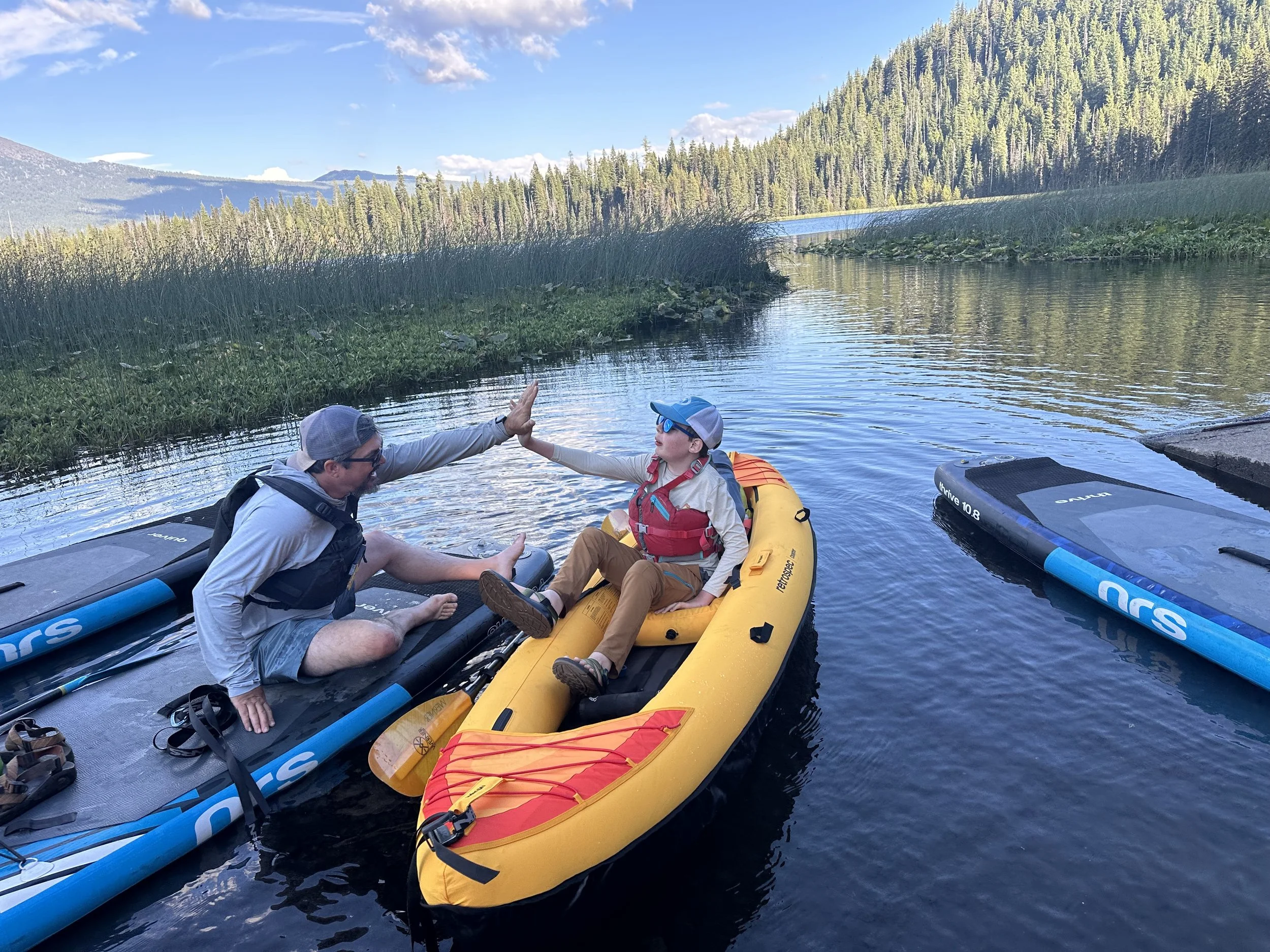
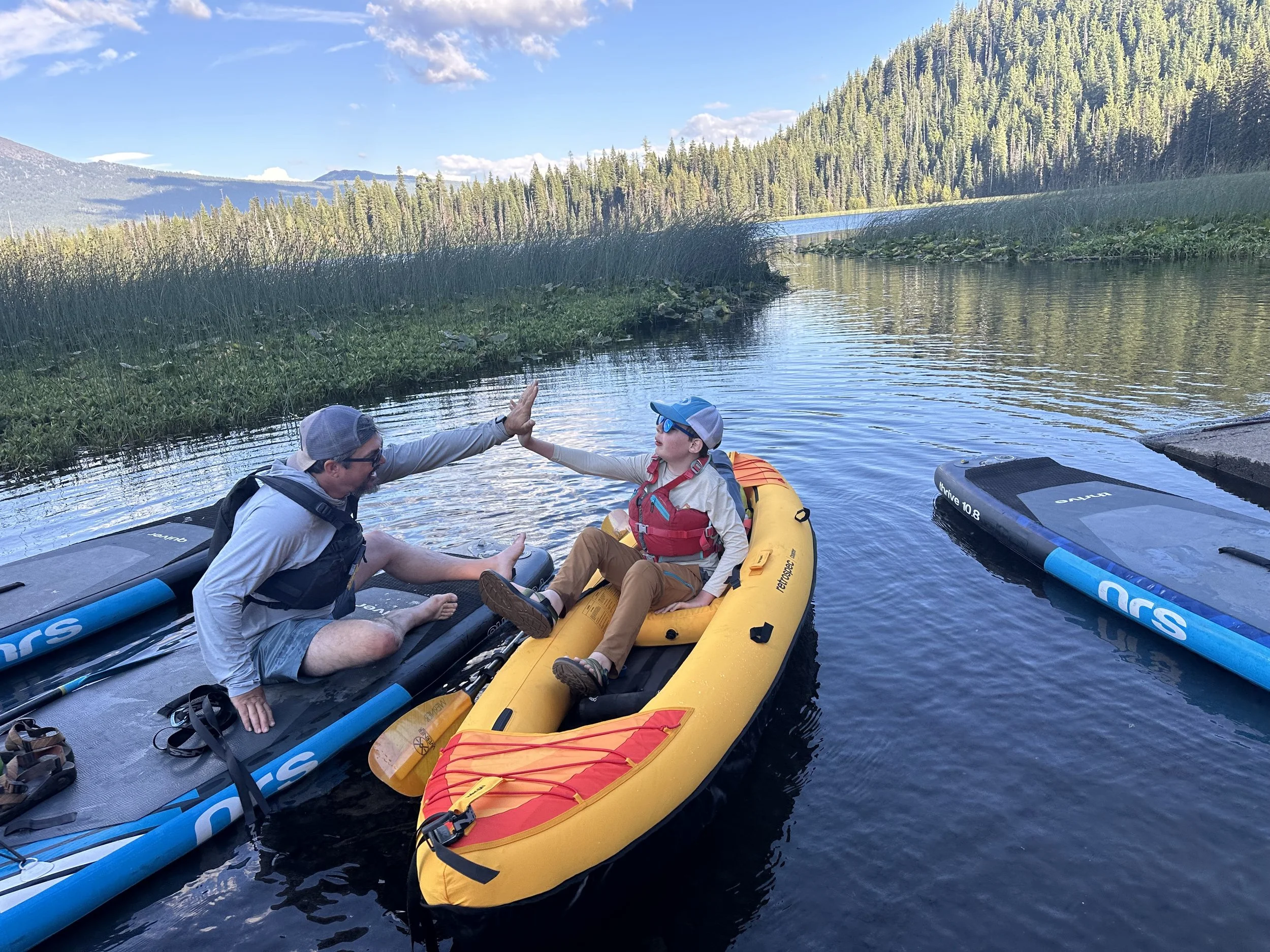
Taking our kids paddling at a young age is a ton of fun, and it takes a little planning to make sure everyone has a good time. The first time you take your kiddo out on the water can feel a bit overwhelming — for them and for you. But you can do it! Here’s some advice to make it a fun, safe time outdoors that builds a foundation for a lifetime of playing on the river.
Personal flotation devices (PFDs). As the saying goes, safety first. On your first trip out, start with a PFD. They’re required by law: everyone in a watercraft must have a PFD available, and kids must be wearing theirs. A well-fitting PFD helps keep a child floating face-up even before they know how to maneuver their body in the water. A good fit includes a recommended weight range for the intended user and a rating from the U.S. Coast Guard — infant vests carry a Type II rating, for example, while most others are Type III or IV. Be sure whatever you buy meets or exceeds these requirements, and once they’re more mobile and comfortable in the water, update their PFD to match their changing needs.
Sun protection. Sun protection around water is as easy as sunscreen or a long-sleeve sun shirt, hat, and sunglasses. Sunscreen should be waterproof and applied 20 minutes before going in so it doesn’t wash off, and reef-friendly formulas help protect our rivers, lakes, and reefs (they’re often better for your skin, too). If you’d rather not smear yourself or your kid with sunscreen, there’s a great second option: swim clothing with a sun-protection (SPF) rating. It should be reasonably close-fitting, and it’ll keep you cooler out of the water and warmer in it. Avoid cotton and loose-fitting clothing. A bonus: most of these double as a rash guard, protecting sensitive skin from the chafing that can happen when a PFD is worn for long stretches and things get wet, sweaty, and rubby during play.
Foot protection. Good-fitting foot protection is a key safety item on the water. If your little adventurer is still an infant, this matters less — but for the mobile, tadpole-chasing, rock-skipping, splashing bundle of energy, they’ll need something on their feet to keep the fun going all day. Water shoes come in all shapes, sizes, and price points. I could write a whole article on this one topic, but I’ll keep it simple: they have to fit and stay in place. Flip-flops are fine for the pool or maybe the beach, but on rivers, streams, or any rocky, uneven terrain with moving water and unsure footing, nothing is more useless than something that floats away or rolls your ankle. Sandals that actually stay on are great — Chaco, Keen, Columbia, and plenty of others make good ones that stay put and protect. A pair of river shoes that keep out gravel and fit well will also do the job. Keep those tootsies protected: too often the easiest water-access points have broken glass, metal, and fishing hooks lying around that can ruin an otherwise fun day.
Let the floating begin! You’ve checked the safety boxes, so now you’re ready to get moving on the water. It can feel like a lot to manage, but the best advice I can give is: make the trip about the kids, keep it short, bring lots of snacks, and if they’re having fun, you will too. We love our paddleboards for their versatility — you can sit, stand, or kneel depending on the situation, and SUPs make great swimming platforms when you need to cool off. Ours are inflatable and roll down to about the size of a suitcase, fitting in the trunk of the car. If you go that route, look for one that includes a pump and is made with durable drop-stitch construction. Kayaks and canoes are also great tools for getting on the water, each with their own challenges and benefits (I can go on about this for hours — fair warning).
A few safety tips to close.
Practice paddling before you take your kid out. You’ll be more confident, and that translates to a better experience for everyone.
Watch for hypothermia. It happens when exposure to cold is prolonged — in the water, or just from cold wind when someone is wet. A rain jacket or a towel can go a long way toward keeping someone warm. (Reminder: cotton is not your friend when it’s wet.)
Tie down your cooler — but never tie your child to anything. In a tip-over, you don’t want your kid tied to something they could get entangled in. Yes, that includes being tied to you.
Don’t forget the snacks. Snacks and water while floating keep energy up and hold off the Hangry Monster.
Save the party for another time. Alcohol is a leading contributor to deaths on our rivers. Save it for later.
Why Traveling with Pets is More Fun (Even If It’s More Work)
Why the extra work of adventuring with your dog is worth it — the companionship, the pet-friendly places you discover, and the gear and safety tips (harness, hydration, hot pavement, dog boots) that keep them comfortable on the road.
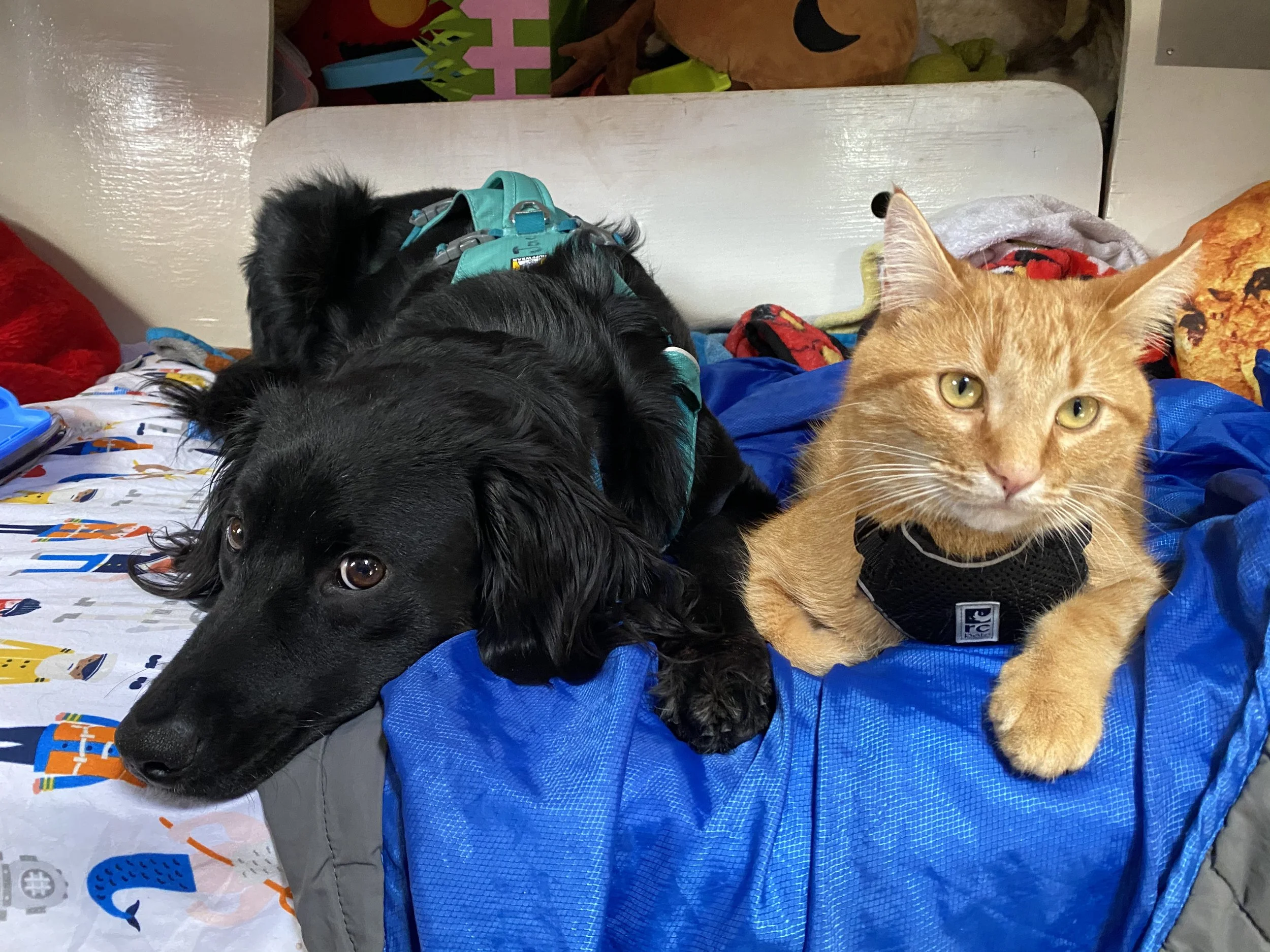
Obviously not bothered; quite happy to be included.
This post contains affiliate links. If you buy through our links, we earn a small commission at no extra cost to you. We only recommend products we truly use and believe in. Thank you!
Traveling can be one of life’s greatest joys — new experiences, sights, and adventures. But what if you could share those experiences with your furry friend? Traveling with pets can be more work, but it adds a layer of fun, companionship, and unforgettable moments to your journeys. Here’s why we think it’s worth it, and how we make it work with a little help from a good dog harness.
The joy of companionship. One of the biggest benefits of traveling with pets is the constant companionship they offer. Whether it’s a long road trip or a scenic hike, having your pet by your side means you’re never alone. Their excitement is contagious, and their presence can turn a simple trip into a memorable adventure.
Experiencing destinations differently. When you travel with pets, you seek out pet-friendly destinations, which can lead you to places you might otherwise have overlooked. Parks, trails, beaches, and pet-friendly cafés become part of your itinerary, and you’ll find yourself interacting with locals and other pet owners for a more social, immersive trip.
Staying active and healthy. Traveling with pets encourages physical activity. Dogs especially need regular exercise, which means more walks, hikes, and outdoor time. That keeps your pet healthy and helps you stay active, too — there’s nothing like a brisk walk with your dog to explore a new city or countryside.
Creating lasting memories. The adventures you take with your pet create lasting memories. From their first time at the beach to hiking up a mountain, these shared experiences become cherished stories, and the bond between you strengthens as you navigate new environments together.
Choosing the right gear. Traveling with pets takes some extra planning and the right gear to keep them safe and comfortable. We use Ruffwear dog harnesses for our travels, and here’s why a good harness matters.
Visibility. Safety is a top priority. Reflective strips and bright colors make your dog visible even in low light — important for early-morning or evening walks.
Training and control. New environments and situations come with travel. A well-fitted harness aids training and behavior management, giving you better control and helping prevent pulling, which makes walks more enjoyable for both of you.
Comfort. Long trips call for comfortable gear. Look for padding and adjustable straps for a snug fit, so your dog can wear the harness for extended periods, whether you’re hiking a trail or strolling through a city.
Durability. Travel is tough on gear. High-quality materials built for the outdoors will last through your adventures.
Safety tips for traveling with pets:
Secure your pet. Use a harness, carrier, or pet seatbelt to keep your pet secure in the car. It prevents distractions and protects them in case of sudden stops.
Stay hydrated. Always carry fresh water, especially on long trips. A collapsible travel bowl (we like the Ruffwear Bivy) makes on-the-go hydration easy.
Take regular breaks. Frequent stops let your pet stretch, relieve themselves, and get some exercise — keeping them comfortable and reducing anxiety.
Never leave them alone. Don’t leave your pet unattended in a car, especially in extreme temperatures. Cars heat up and cool down fast, putting your pet at risk.
Identification. Make sure your pet has a collar with an ID tag, and consider microchipping. If they get lost, it greatly increases the chance of a safe return.
More tips for traveling with pets:
Plan ahead. Research pet-friendly accommodations, parks, and restaurants, and make sure your pet is welcome wherever you go.
Pack essentials. Bring food, water, bowls, a first-aid kit, toys, and bedding to keep your pet comfortable and entertained.
Stay informed. Be aware of any travel restrictions or requirements, such as vaccinations or health certificates.
Be patient. Travel can be overwhelming for pets. Give them time to adjust to new environments, and be patient with any anxiety or stress they may feel.
Mind the heat and cold. Your pets experience the weather much the way you do — if you’re hot or cold, chances are they are, too. That’s especially true of the surface temperatures under their paws. Avoid blacktop when it’s above 90°F to prevent burned paws, and be just as careful with frozen surfaces, which can cause frostbite. Dog boots (Ruffwear makes good ones) can protect their feet — and keep your phone out to video them getting used to the “shoes.” It’ll be a priceless, hilarious memory.
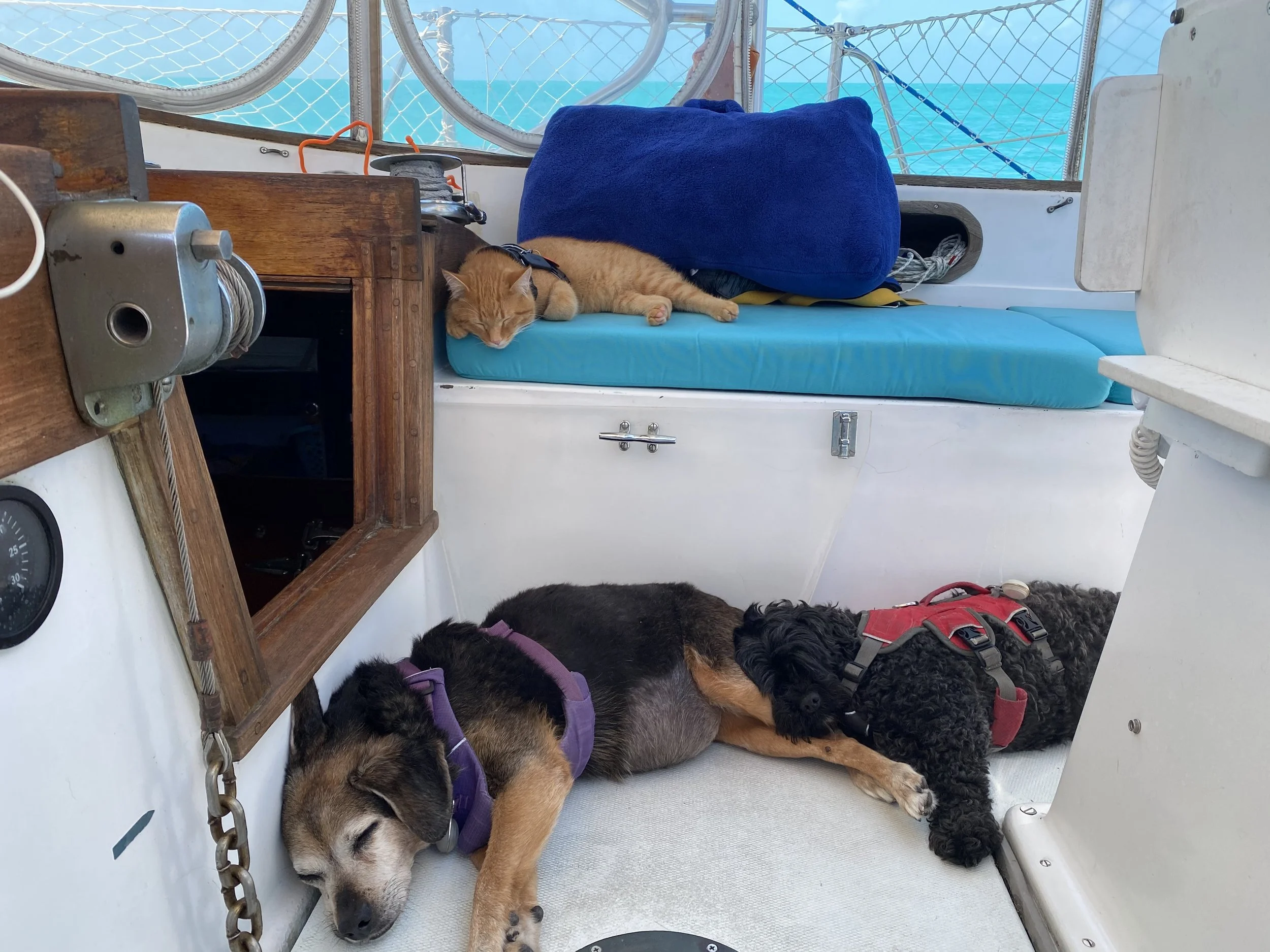
Traveling with pets might take extra effort, but the joy and companionship they bring make every moment worthwhile. With the right preparation and gear, you can create unforgettable adventures together. So pack your bags, leash up your furry friend, and hit the road. Ours have even sailed with us to the Bahamas and back! If you’d like to hear more about adventuring as a family with our pets, leave us a comment — we’re always happy to share.
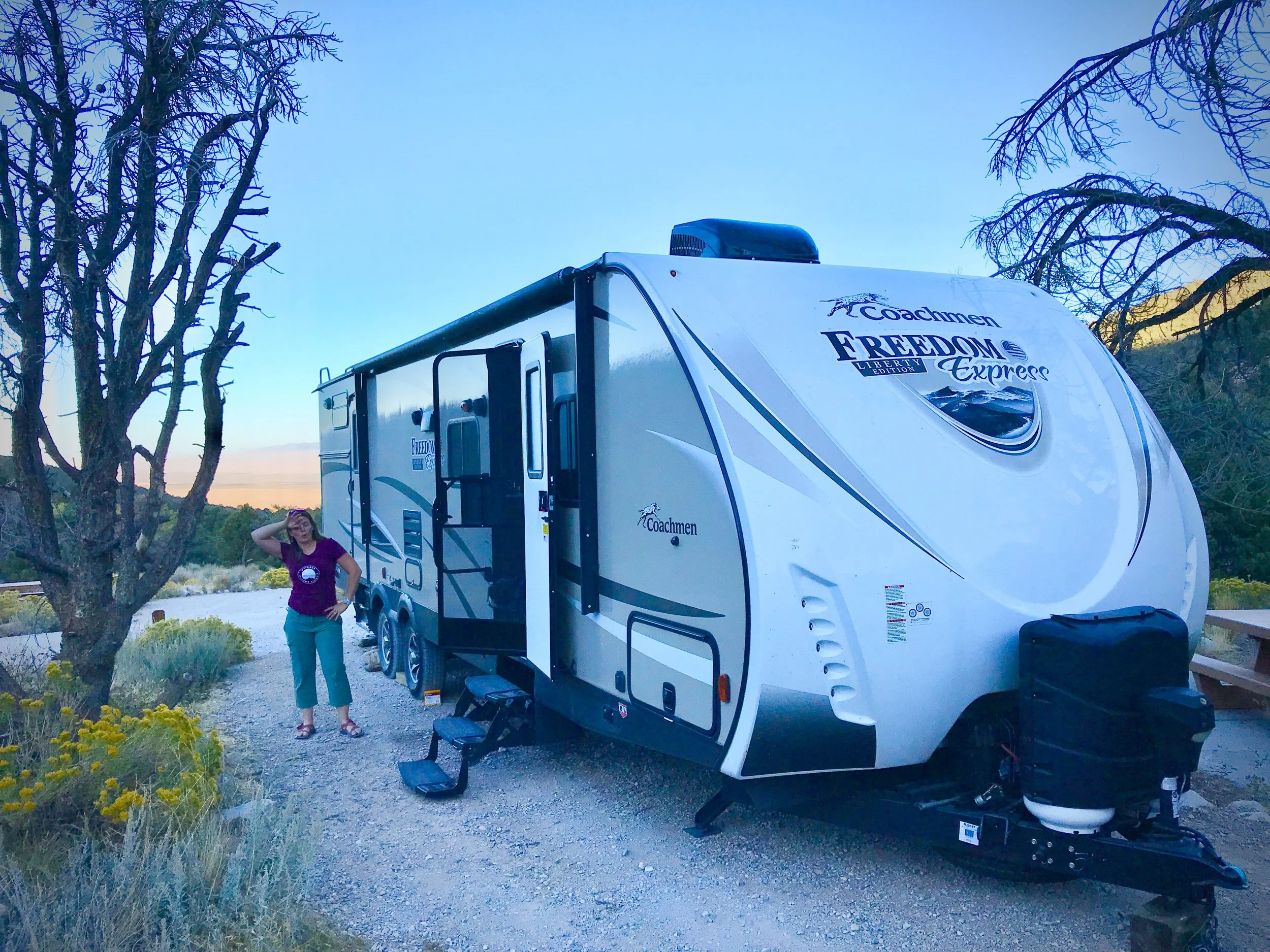
20+ Essential Items for Your New RV
Just brought home a new RV or camper? Here are 20+ essentials — from tire blocks, water hoses, and a surge protector to nesting cookware and black-tank pods — that make your first trips smoother, plus our tips for not overpacking.
This post contains affiliate links. If you buy through our links, we earn a small commission at no extra cost to you. Thank you!
You just got home with your new RV, and now you’re wondering about all the items you should add — but not too many! — to be officially set up for your first camping trip. It can be a little overwhelming to realize that outfitting an RV or camper is a lot like outfitting a new home. Rest assured, though: you don’t need nearly as much “stuff” in your RV as you have in your house. Better yet, a great goal is to lean toward the minimalist side.
We do our best to pack a week in advance, and then we sit with it. That may sound strange, but it gives us time — as we stock the fridge and put clothes away — to admit that we don’t need four seasons of clothing and 25 books for a week-long trip. In fact, we keep a laundry basket on the sofa that, little by little, gets loaded with the items we’ve changed our minds about, and those go back into the house before we leave. It helps with both weight and clutter.
With our tendency to overpack acknowledged from the start, here are 20 items that have become essential from the moment we take off — plus a few bonuses.
Tire blocks. No one wants to roll away just as they’re getting ready to make dinner.
Drinking-water-safe hose. Always bring your own and keep it clean — this is where the water you drink, cook with, and bathe in travels.
Adjustable water pressure regulator. This small gadget saves us from big headaches when a campground’s water pressure is too forceful for typical plumbing.
In-line water filter. This sits between the spigot and your drinking-water hose. It keeps most particulate out of your RV lines and improves the taste.
Disposable gloves. Because handling the sewer hose isn’t always an art form.
A separate rinse hose (not drinking-water safe). This one hooks to your black-tank cleaning port. Just to be safe, keep it separate.
Surge protector (30-amp, or 50-amp if your rig requires it). RVs have a lot of electronics and appliances these days — not to mention the ones you bring — so protect them from unexpected power surges.
Rechargeable LED flashlight. At some point you’ll want to go outside at night to check on something, and a good light (with rechargeable batteries to cut waste) is just a good idea.
Welcome mat. This might not seem essential until your first rain. As you track in sand, mud, and leaves, you’ll think back to this list and say, “ah, I get it.”
Nesting pots and pans. “Nesting” is key. The first time we traveled, we just grabbed pots and pans from the home kitchen. Nesting sets saved weight and precious space we could then use for other kitchen items.
Unbreakable dinner plates. “Unbreakable” is key here. Melamine is a great option, and we also love reusable wheat-straw plates that act like plastic but are earth-friendlier.
Ceramic knife set. We like these so much we’re planning to replace our kitchen knives at home with them. They hold their edge incredibly well and won’t rust.
Flexible plastic cutting board. Talk about space-saving — we now use one at home, too. Easy to clean and can be stored anywhere.
Can opener. Yes. Because we’ve forgotten one before and spent a whole weekend opening cans with an old military-style survival opener.
Shelf and drawer liner. This goes with all the “unbreakable” items but adds another layer: things stay put on this non-slip, non-adhesive mat. It’s important in cabinets and on shelves, and we’ve even left a basket on a piece of liner on the counter — hundreds of miles later, it hadn’t moved.
Electric water kettle. We love our coffee, tea, and cocoa. Nearly-instant hot water in the morning — at the temperature you want, with auto shut-off — while you feed and walk pets and cook breakfast feels pretty luxurious. Ours is insulated, too, even when the dogs take their time.
Synthetic towel set. Damp, stinky towels are unpleasant, and in humid places it happens fast. Synthetic towels are still soft but dry quickly, so they avoid that stale smell.
Black-tank toilet pods. If you don’t use these, you’ll understand why people do after a couple of weeks. Black tanks get smelly with use, and these pods help.
Wine opener. We did say these are essentials, right? A screwdriver just isn’t the same.
Unbreakable wine and water glasses. See above.
And a few bonus items:
Small hand vacuum. Tracking in dirt is inevitable, spills happen, and indoor life is more compact in an RV. This little vacuum helps keep your sock bottoms clean.
Hanging laundry basket. Unless you have a washer/dryer on board, laundry has to be mobile. This basket stays out of the way and is easy to carry to the laundromat.
Reusable shopping bags. These become more multi-use than almost anything else in your RV: groceries, picnics, the post office, dirty things — it’s good to have spares.
First-aid kit. We always hope we never use it, but it’s nice to have a basic kit on hand. More often than not it’ll be a neighbor who needs a bandage, but at least you can help.
RV toilet paper. We all have a favorite brand, but things will… flow… better if you use paper that starts to break down while it sits in the tank. Think of it as a safeguard.
Did we miss anything in this round of essentials? What would you add for your travels?
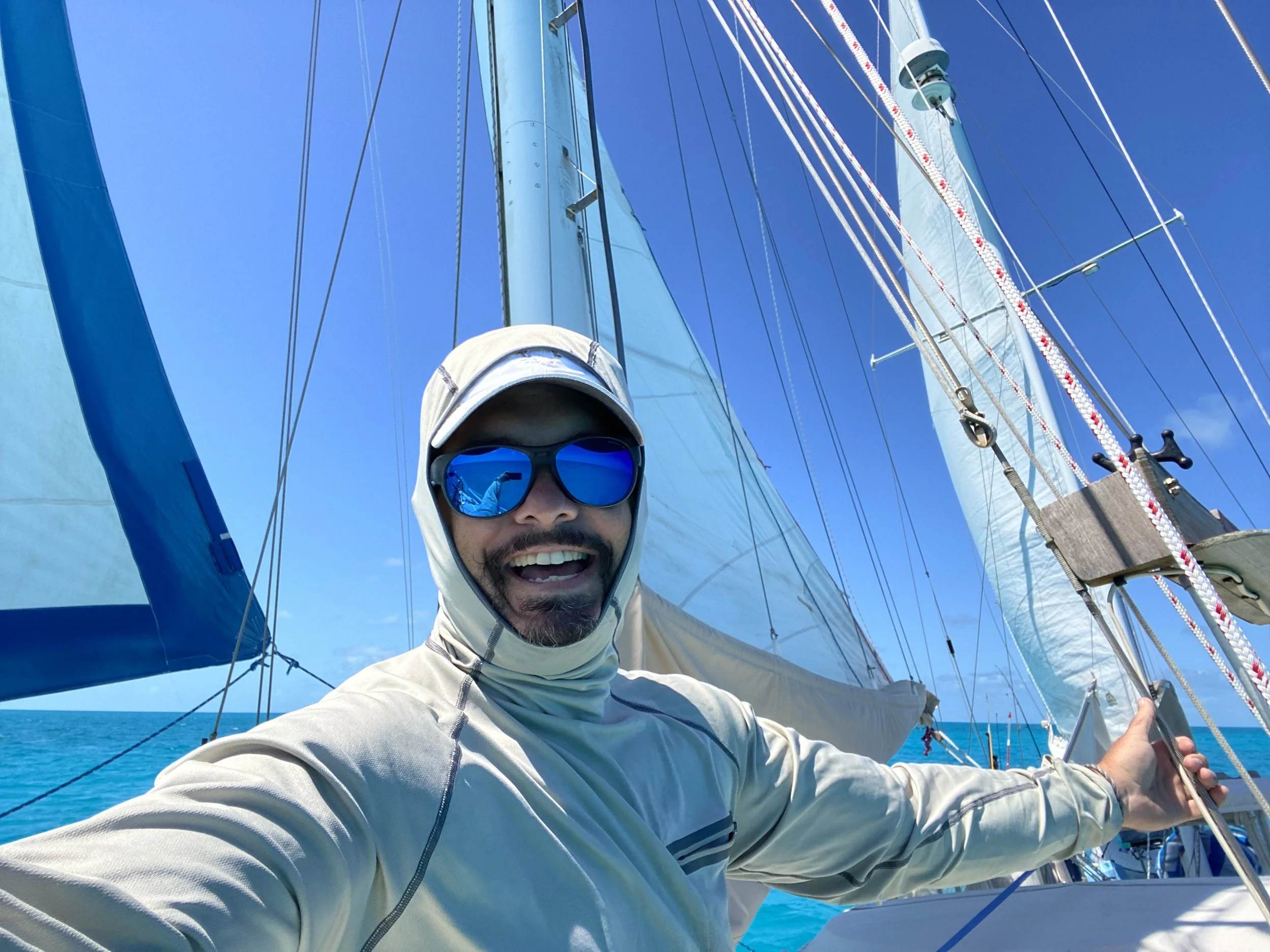
23 Items to Take On Your First Bareboat Sailing Charter
Our packing list for your first bareboat charter in tropical waters — the small comfort, sun, hydration, and rainy-day items that save money and luggage space and make a week (or more) aboard far more enjoyable.
This post contains affiliate links. If you buy through our links, we earn a small commission at no extra cost to you. We only link products and services we use and trust. Thank you!
A well-prepared sailor is a happy sailor!
You’ve booked your first bareboat charter — that’s awesome! Now for the packing, and it can seem like there’s a lot to consider and to take. We’ve compiled a list of items for your trip, assuming you’re headed to tropical waters. Don’t worry: most of these are small, and planning now will save you money and space in your luggage.
Bareboat charter sailing has become a popular way for a small group to explore tropical places. It’s called “bareboat” because you’re hiring the yacht without a crew — that’s where you and your friends and family come in. These trips are normally booked by sailors with experience (though not everyone on board has to have any), and there’s also the option to add a skipper, a hostess, or a combination of the two.
The sailboat or catamaran typically comes fully loaded with sheets, towels, and kitchenware, but you’re responsible for provisioning food, beverages, and other personal items. Gear for fishing, diving, paddleboards, and more is sometimes negotiable for a price.
The big difference between a day sail — or even a weekend trip — and chartering a boat for a week or more is that you’ll be living and playing closer to the elements than you do at home. Sun, humidity, heat, rain, sand: they all become part of your daily movement, and a few comfort items will make the trip more enjoyable all around.
We’ve spent a lot of time on our boat in many different conditions, and here’s the list we pack to make our sailing adventures more comfortable and more fun. If you have room to bring these from the mainland, they’re much more affordable than buying them in the islands. Here we go.
Body/shower wipes. Fresh water is a limited commodity and showers become short. For getting by with a quick wipe-down after an easy day, a good body wipe (we like Yuni) is a lifesaver — and they smell great, too.
USB rechargeable fan. Many charter boats have air conditioning; some don’t. Even on a pleasant night, it’s nice to have some air movement in a humid environment. There are lots of small, travel-friendly options.
Travel towel. Microfiber towels hold many times their weight in water, dry quickly, pack very small, and don’t hold onto the musty smell as easily as cotton (OlimpiaFit is one option).
Reef-friendly sunscreen. A given any time you’re in a sunny locale — but choose a reef-safe option if you’re getting in the water. Sun Bum is easy to find, and many smaller companies make reef-friendly sunscreens now.
A sun shirt with sleeves and a hood. Check Title Nine or REI for great options, or any similar cover-up. Actually, make that two — even when you plan to live in a swimsuit, you’ll likely reach a point each day when you’re ready to give your skin a break from the sun’s intensity.
Motion-sickness medications and ginger treats. You just never know, and why suffer while hunting for these in a new place while feeling less than chipper? Dramamine, Meclizine, Bonine, acupressure wrist bands, or even a Scopolamine patch prescription from your doctor (if you tend to get seasick) are all options. The medications help prevent motion sickness; the ginger items help relieve symptoms if they occur.
Sunglasses — maybe two pairs. Give your eyes a break. (Backcountry has a great variety and good deals.)
Hydration tablets or powder. Something like single-serving Propel pouches or Nuun tablets to help you rehydrate on the really hot days. Water comes first, but you’re likely more active than usual in the tropical heat and humidity, and your body will crave that sodium, potassium, and magnesium — plus something besides plain water tastes good.
Lotion, after-sun moisturizer, and lip balm. You’re rehydrating on the inside; don’t forget the outside. No matter the humidity, sun and salt will start to dry your skin out, and adding wind makes a little daily self-care worthwhile.
A Buff and/or a hair clip. Speaking of humidity… your hair will take on a new level of freedom out here, especially with the wind. Keep it out of your eyes and off your neck — these also help avoid the dreaded, painful part-line sunburn.
A ball for your feet. Why, yes. This is purely a pamper item. If your feet have been in shoes and socks for months, transitioning to full-time sandals or barefoot onboard takes some getting used to. We keep a couple of tennis balls onboard to roll out our feet during that first sore week (a dedicated foot-massage set works, too).
A packable bag. We love our ChicoBags. We use them for everything: groceries, the shower house, the beach, souvenirs, laundry day. One packs down smaller than a baseball and hides in a purse or pocket.
A USB battery pack. Charters can charge the electronics you bring, but it’s nice to have a backup in case something doesn’t go as planned — which happens when you travel. With this small item, you stay adaptable.
Bug wipes. Mosquitoes are always a possibility, and no-see-ums are their aggravating little cousins. Lemon-eucalyptus spray is great, but if traveling with a liquid is tricky, OFF wipes work well.
Swimsuits — bring two. That could be two one-pieces, two bikinis, a combo, or one of those plus an alternate with more sun coverage like swim shorts and a long-sleeved rash guard. Plan not to get sunburned while snorkeling, but prepare for the chance that you do and still want to get in the water the next day.
A dry bag. Sea to Summit’s lightweight dry bags are our go-to. They pack small and keep things dry as a bone during the splashiest, rainiest dinghy rides.
A rain jacket. It happens. Depending on the season, you can almost time the brief daily shower — and a rain jacket is also a nice break from the wind when it feels cool. If a cold front rolls through, throw on an extra layer under your shell and you’ll be perfectly comfortable. Outdoor Research’s Helium series is affordable and very packable.
Body Glide. Lots of people have body parts that rub — thighs, underarms, and more. Body Glide helps them slip past each other without the friction that sweaty, humid conditions add. No more thigh rash in that cute skort, no more sore spots on the hike to the beach bar. Endurance athletes swear by it.
A hat. This could be a purchase on your trip — one of those nice, wide-brimmed straw hats would be lovely. Or something packable from Outdoor Research that tucks into small spaces and shades your face.
A sarong. Another option to buy on your trip. Sarongs are wonderfully versatile: a cover-up, something to sit on at the beach, a lightweight wrap-skirt, even a carry-all. If you’d rather come prepared, Back From Bali makes ethically produced ones through women- and family-owned businesses in Bali.
A headlamp. Anytime we travel out of the norm, we take a small headlamp (BioLite makes good ones). It’s nice for reading after the rest of the crew has gone to bed, and walking new streets at night is much easier with a little light.
Snacks. Pack ‘em if you’ve got ‘em! You’ll have plenty of chances to buy food, but if there’s a favorite chocolate you want to enjoy with a glass of wine one night under the stars, do it. Food and drink run higher out in the islands — it’s a necessary part of island life, and also an adventure in new culinary opportunities (try some guava treats!).
Bonus: a good book. Or a notebook and pen, a Sudoku book, or a pack of cards — how about a good story about sailing? Bring something to pass a quiet moment without electronics. Let your mind relax and enjoy the setting, the sounds, and the multi-sensory bath you’re getting to dip into without much distraction.
Throw in some clothing and a toothbrush and you’re nearly packed! How does our essentials list fit for you — is there something you’d add for your own sailing adventure? Fair winds and following seas on your journey!
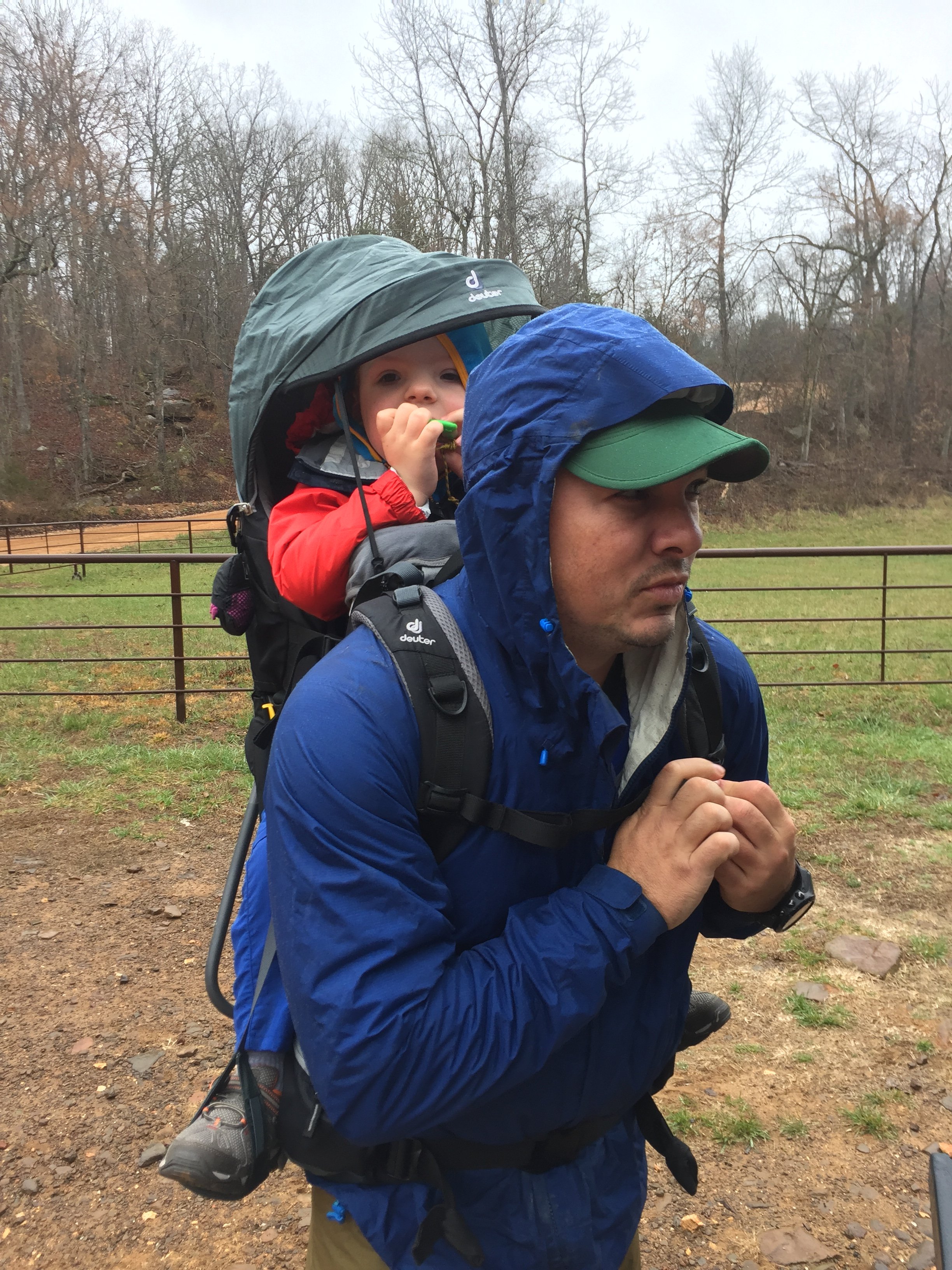
Review: Deuter Kid Comfort Series Carrier
Our take on Deuter’s Kid Comfort carriers — the Venture, Active, Active SL, Kid Comfort, and Pro — with notes on fit, storage, the beefy load system (up to 48.5 lbs), warranty, and which ride suited our family best.
This post contains affiliate links. If you buy through our links, we earn a small commission at no extra cost to you. Thank you!
The Deuter Kid Comfort series was actually the second backpack carrier we tried in our toddler-hiking days. To be honest, it’s a strong contender for “favorite” — Matt preferred this Deuter while Cristen preferred the Osprey Poco (read about that one here) — but we were equally happy to carry either.
There are five versions within the series.
Kid Comfort Venture. This is their most basic pack, scaled to only the must-have features and at a lower price point. It gets the job done well, no complaints. It has the same hip belt and shoulder strap system as the other backpacks, but not the extra storage pockets and space you might want for longer or solo-with-the-kid treks. The sunshade can be added as an accessory.
Kid Comfort Active. This pack is actually a little lighter than the Venture, which is interesting. They start applying some better tech to the back with ventilation and adjustment abilities, and there’s a bit more storage. It’s a great option for not much more money over the Venture. The sunshade can be added as an accessory.
Kid Comfort Active SL. This is the Active pack, but sized for women. Not having tried this one directly, I’m not sure how I feel about it. Normally I’m all about women-specific gear, because we’re just built a little differently — but unless I knew I’d be the main person carrying the pack, I’d opt for the Active version that adjusts to fit a variety of people comfortably. For much shorter torsos, though, this could be a great option.
Kid Comfort. This pack has all the features of the Active version, but starts to beef up the comfort and add more pockets and storage. The biggest difference is that your little passenger gets a much cushier ride with the squishy pad in front. That can make a real difference for your child: as we hiked with The Dude in a backpack, he’d almost always fall asleep, and having this pad gave him support and a comfortable position no matter what the trail was like under mom or dad’s feet. The sunshade comes standard.
Kid Comfort Pro. This is the big dog of the fleet. It’s slightly heavier, but it adds the most storage for longer hikes, including a detachable daypack. That might not seem like much, but if you’re base-camping and making short, toddler-friendly “feature” hikes, the daypack is a nice bonus when you don’t want to carry the whole rig. It’s the coziest ride for the kiddo with a taller back and headrest, and it has space for a water bladder. Of course, the sunshade comes standard.
Each of these has the standard aluminum kickstand, so you can reach back, pop it into position, and set the backpack down safely on the ground without it toppling or having to keep a hand on it.
Our experience with the Deuter Kid Comfort Pro was that it somehow felt more heavy-duty than the Osprey Poco Plus. Heavy-duty wasn’t essential for his youngest years in a carrier, but this was the pack we reached for when our son was bigger and heavier and we needed a really beefy hip belt and load system. It did the job — we were able to carry him (plus gear) up to the pack’s max load of 48.5 lbs / 22 kg.
As for warranty, Deuter warrants its products against defects in materials and workmanship for the lifetime of the product (this doesn’t cover damage from extreme use, improper care, or the natural breakdown of material over time). If a product is deemed defective, Deuter will repair or replace it, and for damage not covered under warranty, they offer repair services calculated at the time of evaluation. As with any warranty, there’s some gray area around what counts as “extreme” or “natural,” so I’ll let you decide on that — but we’re very glad they offer repair services. Check Deuter’s site for the current, exact terms.
Deuter has been around since 1898, proudly making adventure gear for all manner of pursuits. They’re also quite committed to the planet and have been a bluesign system partner since 2008.
Finally, when your child has outgrown the carriers, Deuter offers comfortable, adventure-ready backpacks for them to get excited about carrying all by themselves.
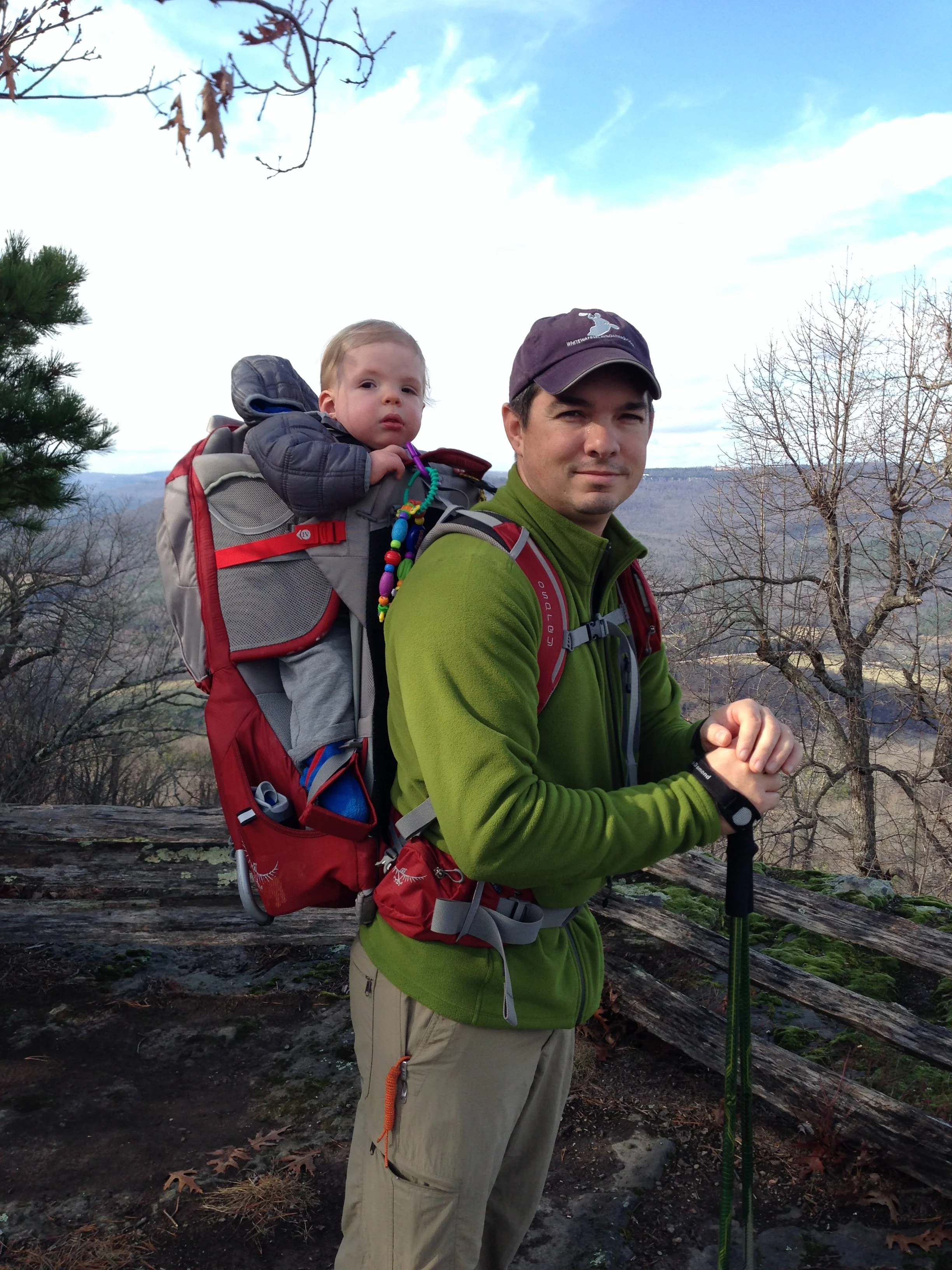
Review: Osprey Poco Series Kid Carrier Backpacks
Our years-long take on the Osprey Poco family of kid carriers — the LT, Poco, and Poco Plus — covering fit, comfort, features, the 7-year guarantee, and how it doubled as our stroller on the trail and on the go.
This post contains affiliate links. If you buy through our links, we earn a small commission at no extra cost to you. Thank you!
When it comes to longer-ranging kid carrier backpacks, it’s hard to beat the Osprey Poco family of packs. The Osprey Poco Plus was one of the main items on our “desired” list, and I’m going to tell you why. As soon as our son was big enough — and his neck muscles strong enough — to sit in this pack, we were adjusting and fitting it to him to head out on hikes.
First, let’s talk about our reasons for this pack, then we’ll get into features. I had a sling and a front baby carrier to begin. They were wonderful when The Dude was teeny tiny, but as he grew, so did my back discomfort. I was already toting more weight on my chest than usual (cough, cough…), and adding another front-focused carrier just added to posture strain and muscle aches. For short periods — say, going to a farmer’s market — these worked fine.
Once he was big enough for the Poco carrier, though, there was no looking back. We were never fans of strollers, for many reasons, and we wanted something multi-use, regardless of where we were or what we were doing (you’ll see that’s a theme with us). So while we used the Poco for hiking and backpacking, we also used it in place of a stroller when we traveled: on the beach, in shops, through historical sites, you name it. We can’t even count how many times people stopped — even pulling their cars over — to ask what the backpack was because they wanted to find one.
Let’s talk about the Poco features and pros.
It’s adjustable for everyone. Both of us could use the same carrier, adjusting the torso length, shoulder straps, and hip belt to fit (Cristen’s 5’6”, Matt is just under 6’). It’s also very adjustable for the kiddo riding along, with foot stirrups and shoulder straps for them, too. When he was very little, we’d tuck a small blanket or stuffed animal around him to fill the space and create a comfier ride. The seat and straps also adjust for your child as they grow, accommodating a range of ages and sizes. From six months to three years old, this was a necessity in our gear packing — we were all sad when it was outgrown.
It’s lightweight. There are three options in the Poco family: Poco LT (lightweight), Poco, and Poco Plus. I’d look at Osprey’s site to compare the three and see what fits your needs best. Each has a different price point and is geared toward different levels of use — the LT is lighter, but the suspension system for back support is a bit heavier-duty in the Poco and Poco Plus. One note: take their Trip Length (Volume) measure with a grain of salt… it’s a kid carrier. Storage in the pockets is great compared to other carriers, but lacking compared to a standard multi-day backpack. If you’re backpacking with a baby or toddler, one person will focus on carrying the child and some essentials while the other carries most everything else. That’s just the nature of it.
Great warranty. Osprey has always been known for their “All Mighty Guarantee” — one of the reasons we look strongly at Osprey when we need a backpack. Wouldn’t you rather repair something that’s served you well than add to a landfill? The guarantee is adjusted a bit for their child carriers (safety standards necessitate different guidelines), yet it’s still quite generous: Osprey will repair any damage or defect for any reason free of charge during the first seven years from the date of manufacture, and if they can’t perform a functional repair, they’ll replace it. Check Osprey’s site for the current, exact terms.
Longevity. Did you catch that seven-year guarantee? Seven years, on a product that’s typically heavily used and still has life in it. When our boy outgrew the Poco, we gave it to friends having their first child. The thing is tough, hiked hundreds of miles with us, and still had more to give.
Special features. Some of this depends on which Poco you choose (these would all be on the Plus version): built-in sunshade, removable/washable drool pad, mesh side pockets for easy kid access, dual grab handles, external hydration sleeve, zippered hip-belt pockets for mom and dad, ventilated back panel, a collapsible kickstand (push it out for a stable base when you set the pack down, push it in to stay compact on the move), and lots of storage pockets.
Comfort. Truly, this thing is comfortable. The way it sits on your hips — just like your larger backpacks — distributes the weight off your shoulders and onto your lower body, so your center of gravity feels good and you’re not tempted to lean forward. You can hike miles and miles in this pack and still feel good at the end of the day. We strongly recommend hiking with trekking poles, because you have a baby strapped to your back and stumbles can happen.
Extras. Osprey also makes a rainfly for this pack that allows ventilation and visibility for your little one, plus a carrying case if you want to protect it as a checked bag on a flight.
Now, our limited list of cons.
It could be considered bulky. Yes and no. Compared to other backpack carriers, it’s no different, and we think it’s less intrusive than a stroller. Of course it’s not as small as a sling or front carrier, but your back will thank you for sacrificing the space in your car for the Poco.
It’s pricier than other carrier backpacks you might find at box stores or online. But those carriers aren’t going to have the kind of engineering Osprey has put into the Poco series. As always, find what works in your budget — but if you plan on using this carrier most of the time, try to find a Poco that fits you. You might even get lucky on one of the pre-owned or discount sites we talked about in our “8 Places to Save Money on Outdoor Gear” post. The other backpack carrier we’ve had experience with is the Deuter Kid Comfort series — read that review to compare!
The Osprey Poco Plus was our first child carrier backpack, so it stays dear to our hearts. We often think fondly of the long hikes we used to do with The Dude strapped in, singing along and asking to touch the trees as we strolled. Like many parents, we’re happy to see our boy growing strong enough to join us on his own two feet — but we have great memories of pulling the Poco out for a new adventure. Hopefully you’ll have the same experience if you decide this carrier is right for you. And when your kiddo is big enough to hike independently, have them help carry, too — Osprey makes a wide range of kid-sized backpacks for them to begin adventuring alongside you.
10 Diverse, Multi-Purpose Outdoor Gear Items We Love
Ten hard-working, multi-use gear items we reach for again and again — from Ferrosi pants and solar lanterns to a kid carrier, a good rain shell, and a do-everything tech blanket — that stretch a family gear budget.
This post contains affiliate links. If you buy through one of our recommended links, we earn a small commission at no extra cost to you. Thank you!
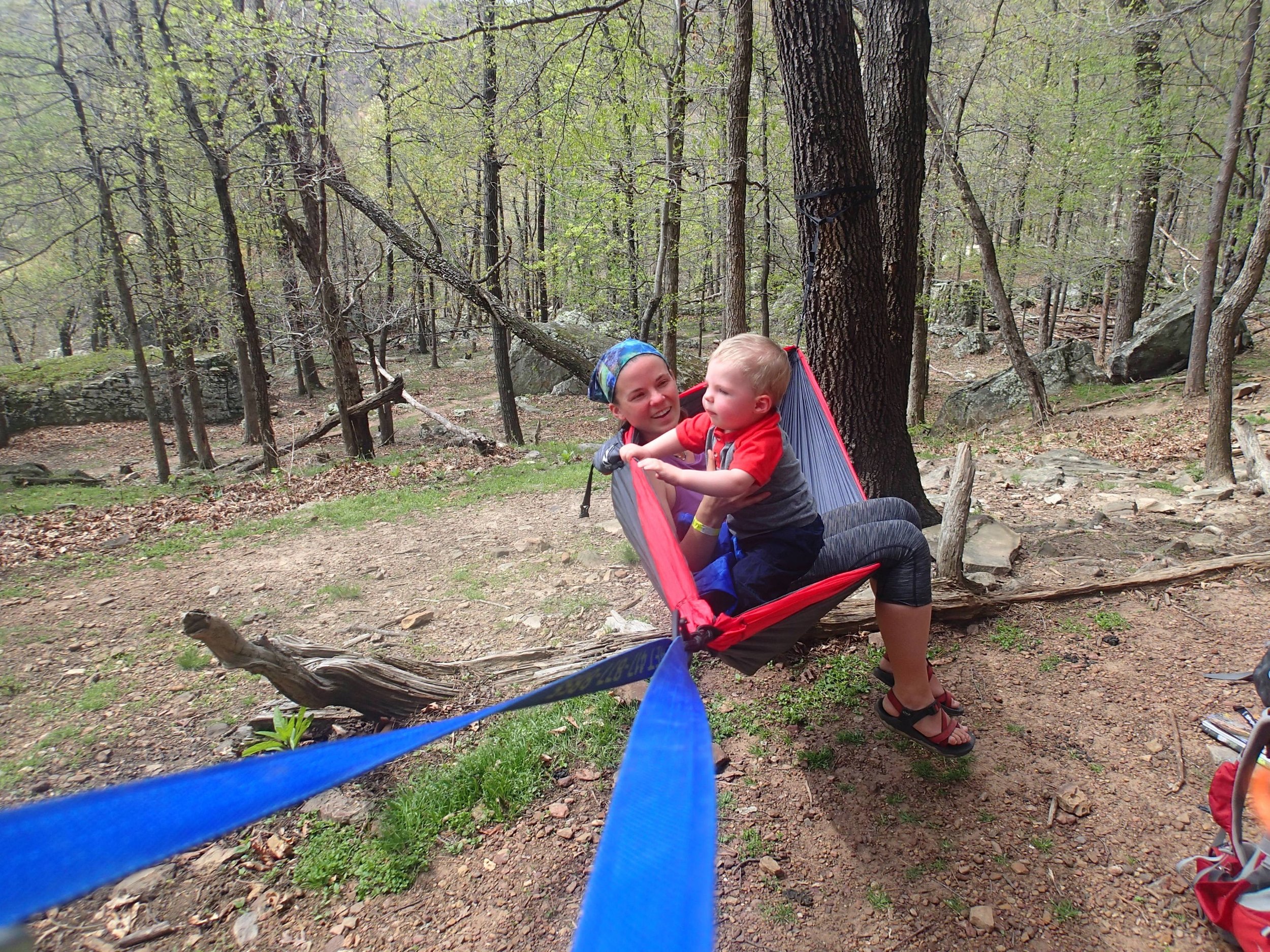
A hammock and a Buff can go a lot of places.
Let’s face it: outdoor gear can be pricey. But a piece of gear with long-lasting, timeless qualities evens out the expense over time — and that makes it a worthwhile purchase in our eyes. One way we spread out the cost is to look for items we can use lots of different ways, in lots of different settings. Whether we’re camping, sailing, or at home, here are ten of our favorite multi-purpose gear items and how we actually use them.
Outdoor Research Ferrosi Pants. Honestly, just about anything in the Ferrosi line stands up to the test. It’s a more technical pant with a water-resistant DWR finish that even handles some abrasion. Super flexible — they move with you on the crag or as you chase a toddler — and they still look great at work, dinner, or the brewery. I’ve had a pair for over six years.
Solar lanterns. Ours are inflatable MPOWERD-style lights, and they come with us almost everywhere. They’re compact, a full charge lasts up to 50 hours, and they double as a backup phone charger with several lighting modes. We use them as tent lights, picnic-table lights, nightlights, sailboat cockpit lights, and backyard-BBQ ambiance. Ours lasted nearly four years of hard use before the adhesive finally gave out — pretty good, considering.
Buffs. Headband, balaclava, sweatband, hair-tie, washcloth, and a dozen other uses. Such a simple thing to throw in a pocket or loop around your wrist and go.
Osprey Poco Series Kid Carrier Backpack. This one’s specific to a season of family life, but it covers so much ground we had to include it: backpack + stroller + baby sling + water carrier + sunshade + semi-high-chair. It adjusts to fit mom, dad, grandma, grandpa — anyone. Still doubtful? Go try one on at your nearest gear shop.
A good rain jacket. Ideally something GoreTex, because it works. A solid, well-priced example is the REI XeroDry GTX Jacket, available in men’s and women’s plus tall and plus sizes. A truly waterproof jacket becomes your go-to for both rain and wind, in any sport or setting.
A travel bed. We love the KidCo PeaPod Portable Travel Bed — basically a hoop tent that folds into itself and its own little bag. For us it was a bed, sun-and-insect protection, and playpen in one. We brought it to family gatherings as a secure place for The Dude to nap, and he had just as much fun filling it with toys.
Patagonia Capilene. Its original job is as a base layer, adding lightweight warmth under your mid-layer and shell — but it also looks good, washes easily, doesn’t wrinkle, travels well, and lasts forever. We run, relax, bike, and sail in it, layer it, and wear it as sun protection. There are options for the whole family, right down to the little ones.
A hammock. ENO (Eagles Nest Outfitters) is the well-known name, but we also love Kammok. Lightweight and packable, a hammock works for naps, a place to sit, a swing, part of your sleep system, or somewhere to bundle up while you wait your turn at the crag. With a few tricks it can even replace a tent and a camp chair — all you need is a couple of trees (or a tree and a post, or a vehicle and a tree).
A tech blanket. We’ve tried a bunch; Rumpl and Therm-a-Rest are two favorites. A tough blanket that won’t hold odors, washes easily, packs down small, and is surprisingly warm for its size. One blanket to rule them all: picnic groundcloth, diaper-changing pad, dog bed, RV comforter — and it just keeps going, plush and ready for more after a run through the washer.
We know this is a mishmash of gear, and the list could go on forever. It’s easy to justify a purchase but hard to decide what’s worth it on a budget — especially for a growing, changing family. Hopefully a few of these help you find what counts as “multi-purpose” for your own needs. Anything you’d add that we missed? We’d love to hear it.
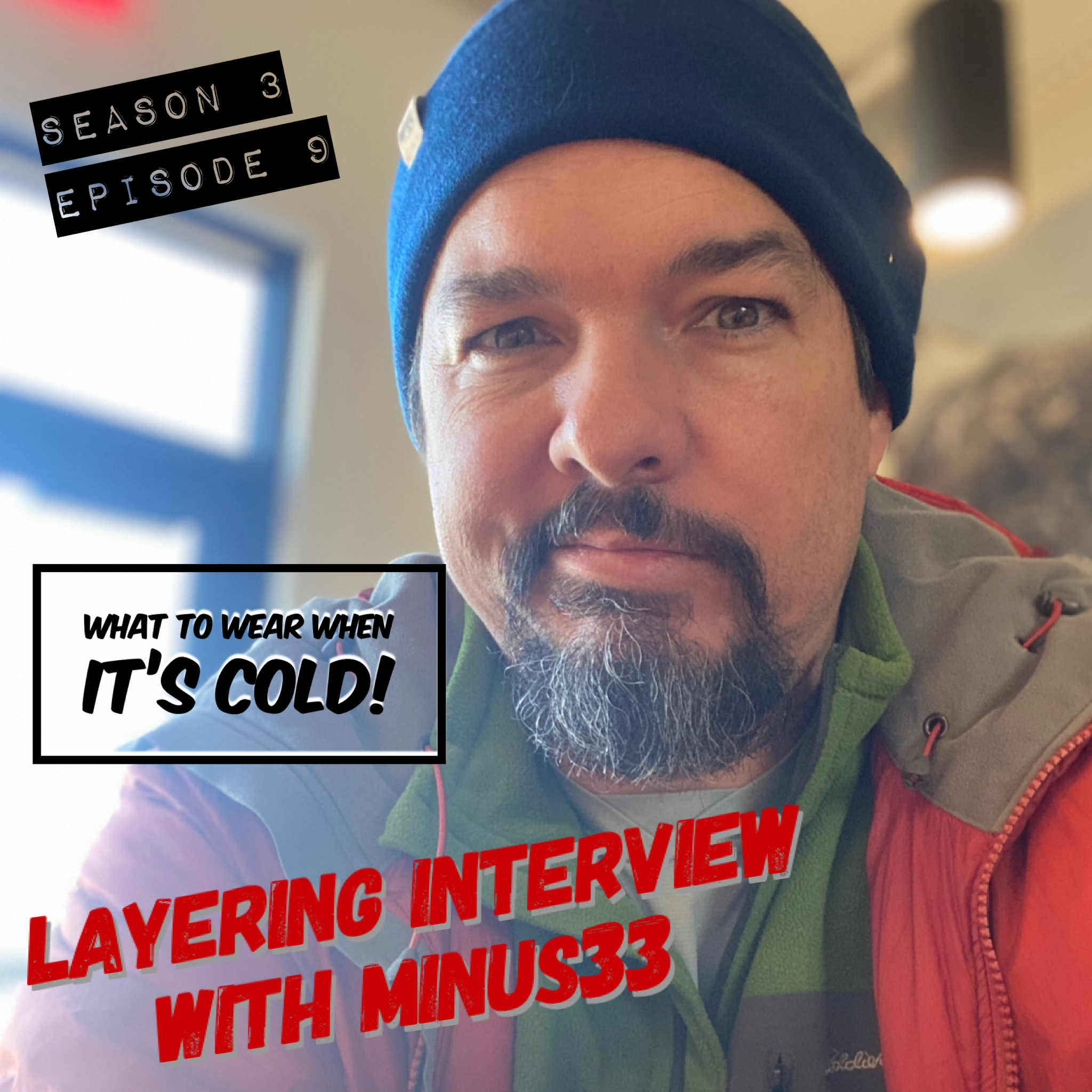
(Podcast) Season 3, Episode 9 - Layering Basics: An Interview with Lawson Glidden of Minus33
Join us as we interview Lawson Glidden of Minus33, makers of soft, warm wool products of all kinds, as we talk about their business and the art of layering for cold weather.
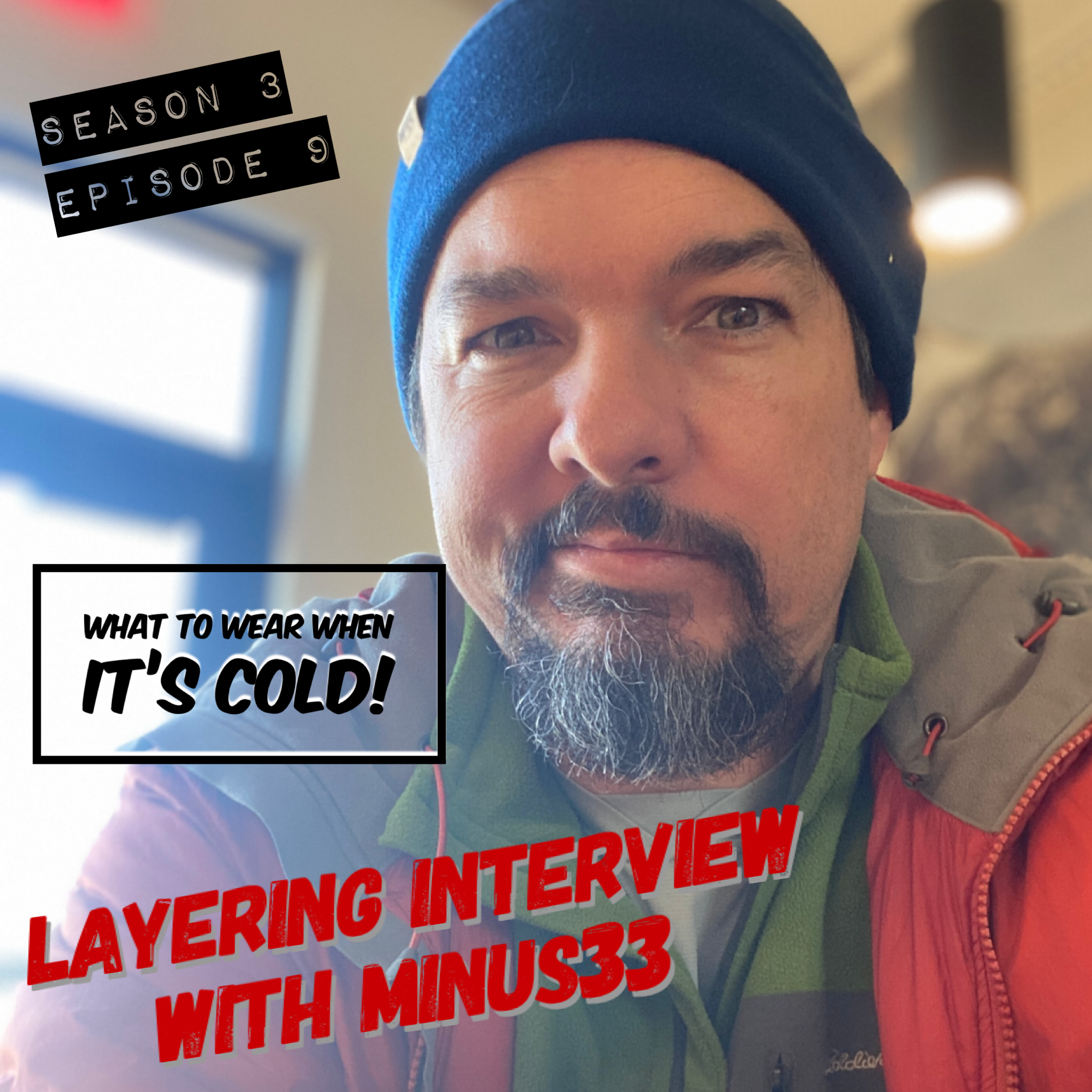
Season 3, Episode 9. We've got a guest! Lawson Glidden — President of Minus33 Merino Wool — joins us for a deep dive into the world of layering. Minus33 is a family business out of New Hampshire with over a hundred years of textile history behind them, and Lawson knows his stuff. He walks us through why merino wool is such a game-changer as a base layer — it wicks moisture, regulates temperature, and (here's the big one) doesn't stink after a few days on the trail. We talk through their full product range — socks, base layers, mid-layers, shirts, hats — and Cristen and I share our own layering wins and fails over the years. This was actually Minus33's very first podcast appearance, which is pretty cool. Full disclosure: we're affiliates (not sponsored), so if you grab something through our links, we earn a small commission — but we genuinely love the gear.
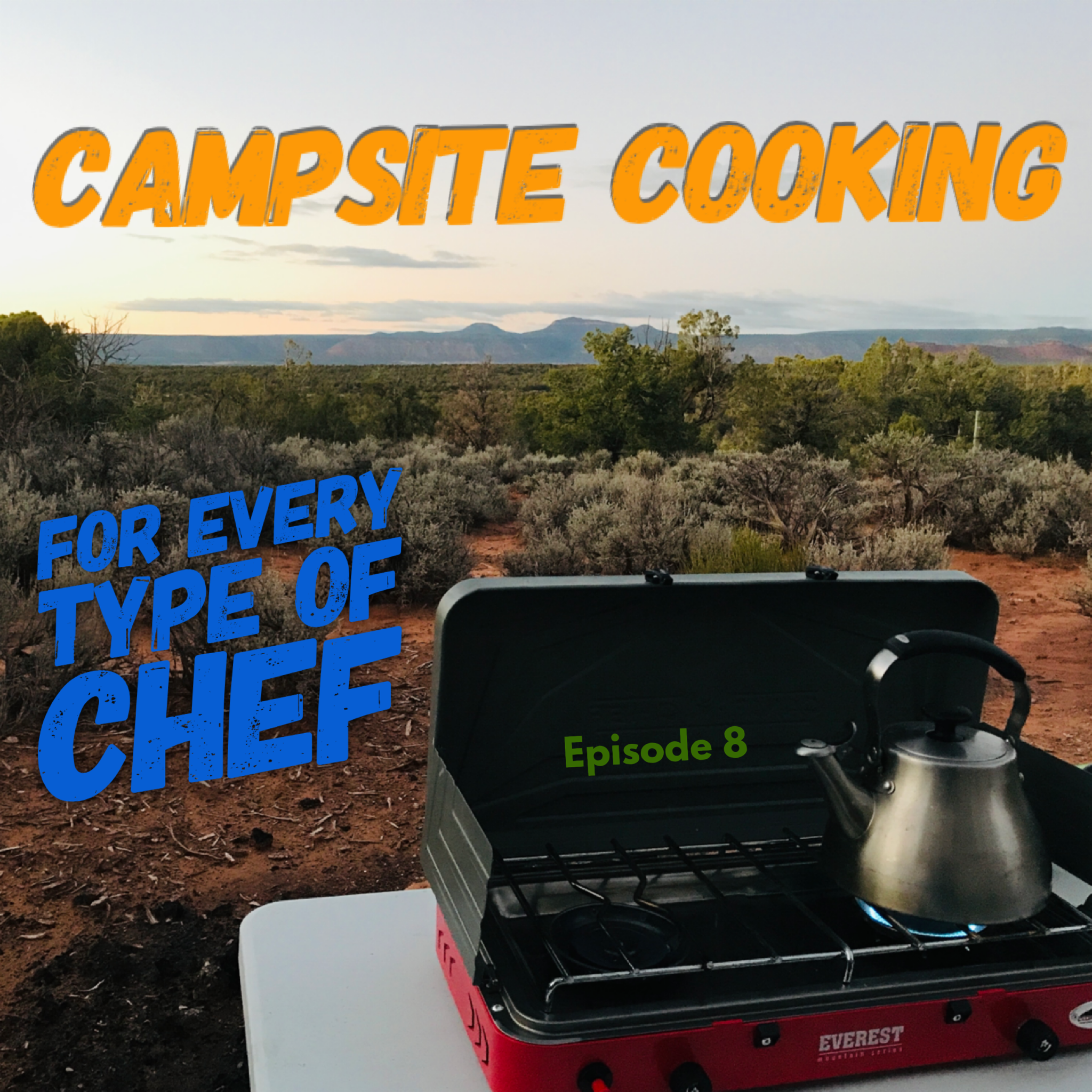
(Podcast) Season 3, Episode 8 - Campsite Cooking for Every Type of Chef
Cooking at the campsite for every kind of chef! What’s on your menu and how are you going to make it?
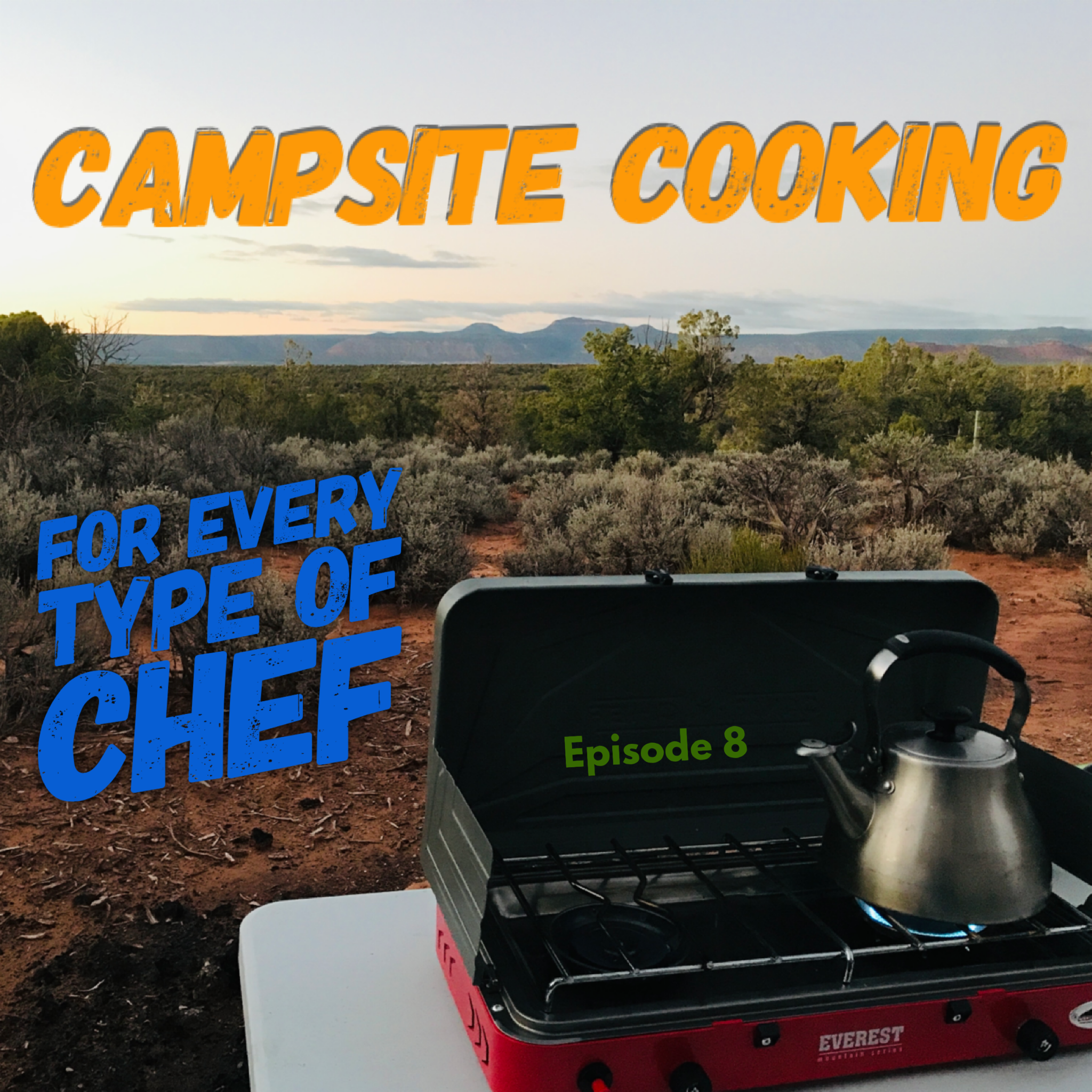
Season 3, Episode 8. Time to eat! This episode covers campsite cooking from one end of the spectrum to the other — we're talking everything from boiling water over a fire to full-on propane pizza ovens and gourmet meals under the stars. Cristen and I break it down by skill level, so whether you're the person who burns instant oatmeal (no judgment) or the one showing up with a cast iron skillet and a spice kit, there's something here for you. We swap some pretty good stories about campfire mishaps along the way — let's just say fire and cooking don't always cooperate the way you'd hope. We also get into the practical side: what setups make sense for car camping versus what you'd actually want to haul into the backcountry. Spoiler — the pizza oven stays at the car.
(Podcast) Season 3, Episode 7 - Adult Weekend Adventures (The Kids Will Be Ok)
Sometimes the adults need to get away and play, too. Kids, it’s time to stay with the grandparents or buddy-sitter… Mom and Dad need to have some reconnection time - it’s healthy for everyone.
Season 3, Episode 7. Okay parents — this one's for you. We're talking about getting outside without the kiddos. Solo trips, couples getaways, weekends with friends — all of it. Cristen and I dive into why it's so important to carve out that adult time in the outdoors, even when it feels impossible to step away. Turns out, absence really does make the heart grow fonder — you come back recharged, more patient, and honestly a better partner and parent for it. We share some of our own experiences sneaking away for a night or two, and we talk about how to make it happen without the guilt. We also mention Eddie Bauer's gear rental program — a great option if you want to try something new (kayaking, backpacking, whatever) without dropping a fortune on gear you're not sure about yet.
(Podcast) Season 3, Episode 6: Camping Sleep Systems
Sleeping systems: from full sleeping back to thermal blankets, sleeping pads of all kinds, and everything in between. Learn about the elements on sleeping systems so you can get a good night’s sleep anywhere you set up camp.
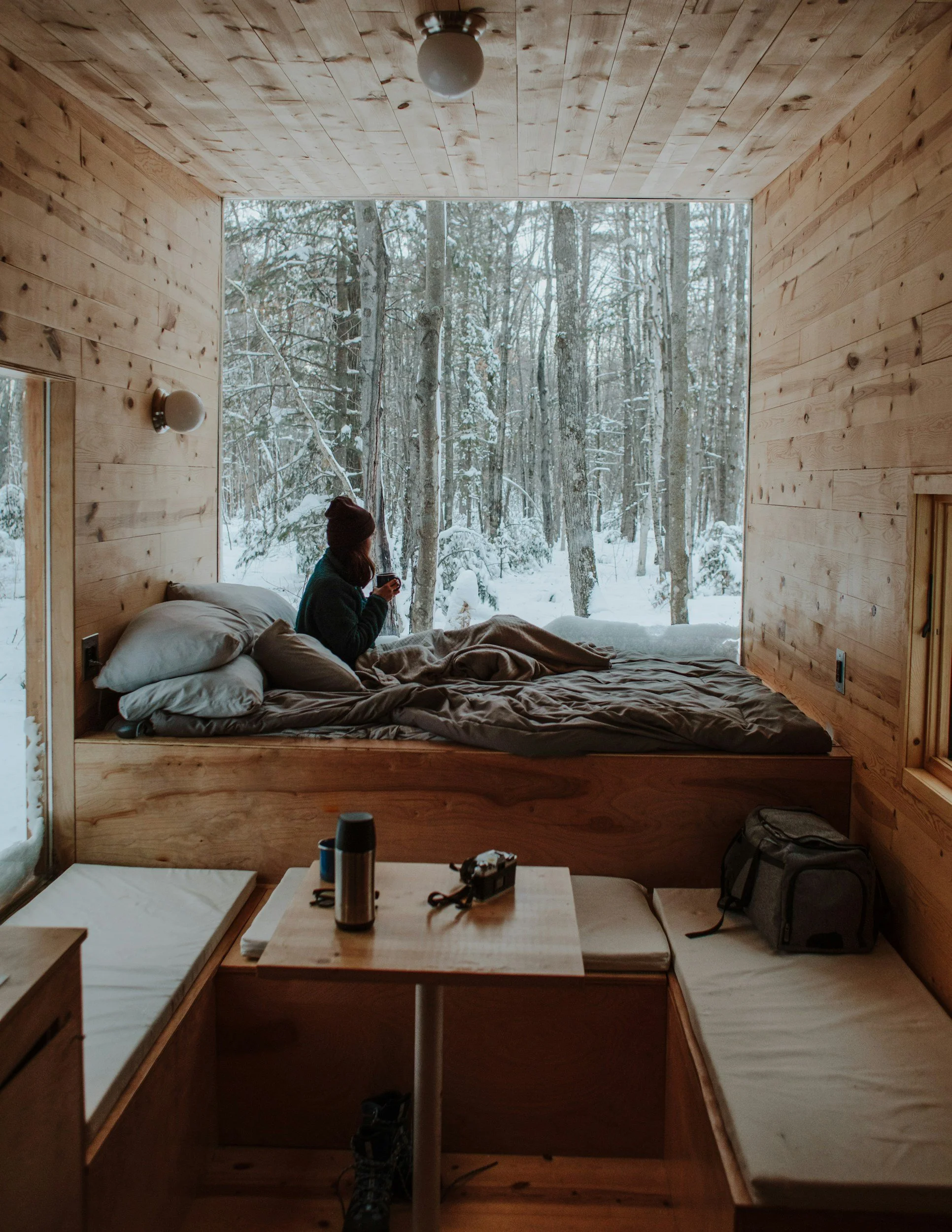
Season 3, Episode 6. Alright — so you've picked your campsite, you've got your tent set up, and now it's time to actually sleep. Easier said than done! This one's all about the sleep system — sleeping bags, sleeping pads, blankets, the works. We break down the differences between down and synthetic fills, inflatable versus foam pads, and how those temperature ratings actually work (spoiler: it's not as straightforward as you'd think). We get into the whole hammock-versus-ground-sleeping debate too — Cristen and I definitely have opinions on that one. We even pulled up the Spotify polling feature to see where you all land on the question. Whether you're car camping with the family or heading into the backcountry, getting your sleep setup dialed in makes all the difference. Check out the companion blog post over on keywordadventure.com for more gear details and our affiliate picks.
2021 “No-Box” Holiday Gift Guide
Outside-the-box holiday gifts for the adventurer who has enough “stuff” — experiences, repairs, coaching, memberships, a National Parks pass, bodywork, and more — all about giving time, connection, and flexibility.
Whether you’re reducing the amount of “stuff” you exchange with family and friends this year, you’re a last-minute shopper looking for something thoughtful for your active or outdoorsy loved one, or supply-chain wonkiness is affecting how you shop, thinking outside the box for holiday gifts can be tough. Time, money, and connection are the main things we’d all like more of, right? And it’s a very personal way to shop, since we each have different ideas about what that time, money, and connection can offer.
Here are some ideas for the intangible gifts we’ve shared over the years.
Plan and execute an excursion. Is there someone in your life who would love to get outside and do more, but doesn’t know how or never seems to have time to plan ahead? Be their guide. You take the lead on the activity, the where, the packing, the food, even the when — all they have to do is show up. That’s a huge relief to someone who’s raring to go but struggles to carve out the planning and packing time.
Repair something for them. Kayak have a gouge? Backpack zipper blowout? Puncture in the sleeping pad? A warranty issue on a favorite piece of gear? Help them out. If you can DIY the repair well (keyword: well), it’s easy. If you can’t, find a reputable person, price it, and get it done. For warranties, make the calls or write the emails we all put off, then package up the item and send it in so their gear is ready for the new season. Sometimes the gift is just managing the details.
Detail their car. Who wouldn’t love this? If you’re detail-oriented, spend a day loving on their car — one of the most expensive things a person buys — and make it look new for the New Year. We spend a lot of time in our vehicles; a thorough inside-and-out cleaning can genuinely improve that space and their outlook.
Gift certificates. Whatever anyone says, we love gift cards — especially when style, size, or bigger items (bikes, racks, etc.) are in limited supply. Give your loved one the gift of choice.
Training or coaching. Are they training, or wanting to get into ultrarunning, triathlon, weight training, or nutrition? If you (or they) know a great coach, gifting a first session or two — or a package if you can splurge — is a great step forward.
Online subscriptions and memberships. Think Masterclass, AloMoves, the Access Fund, American Whitewater, Strava, Outside+, and the like. We used to gift magazine subscriptions; these days everything’s digital, and those subscriptions add up. If there’s one your person has talked about but hasn’t pulled the trigger on, beat them to it.
Personal assistant for a day. “How can I help?” is often asked with little follow-through, or leaves the person wondering what to even ask for. Make it actionable: sit down and ask what’s on their plate. Would a day of housework be the biggest relief? Could you sort unopened emails, make phone calls, or handle client replies on social media? They have to be willing to hand over some control, but with that trust they’ll relish the relief.
National Parks pass. Making travel plans this year? A National Parks pass gets them into more than 2,000 federal recreation areas across the US — and chances are there’s a destination close to them, too.
Local flavors. A tour of the local scene is always appreciated: wine, beer, kombucha, chocolate, coffee, cheese, baked goods, crafts, honey, soaps and lotions. There’s such a wealth of talent and tastiness in most communities — you might be surprised by the gift basket you can put together.
Gait analysis or bodywork. Wanting to start running, fine-tune their stride, or recover from training? A gait analysis can reveal nuances that level up their running. And here’s my favorite: recovery matters even more than training, so treat them to a session with a favorite massage therapist, acupuncturist, or neuromuscular therapist. Massage is good for anyone, whatever their activity level.
Race, event, or course entry fee. Do they have their sights set on a race, conference, or event this year? Cover the entry fee and let them dive into getting ready — it’s something to look forward to, and hopefully you can get out there to cheer them on.
We hope this warms up some alternative gift ideas. While it’s fun to unwrap something (we have a Gear Gift Guide for that, too), the real magic is the time, connection, and flexibility to have these experiences or reach these goals — and it means a lot when someone supports their friends and family in those pursuits. Do you have any outside-of-the-box ideas to add? Happy holidays from Keyword Adventure!

2021 Gear Gift Guide
Our roundup of favorite outdoor gear that stood out during the year — from merino beanies and solar lanterns to sleeping pads, coffee gear, pet finds, and cozy winter picks — for stockings and under the tree.
This post contains affiliate links. If you buy through our links, we earn a small commission at no extra cost to you. Thank you!
Do your friends have the tie-down straps they need to get that tree home? Read on for more stocking-stuffer ideas.
A spectrum of our favorites, collected and coddled through the year: here’s our Gear Gift Guide. These are items that really stood out to us or made our adventures better in some way. If you’re looking for something that isn’t a tangible item wrapped in a box, check out our “No-Box” Holiday Gift Guide, too.
Minus 33 Midweight Merino Wool Beanie. We met these folks at the Outdoor Media Summit, and — wow — their merino is amazing. They brought these beanies as swag, and it’s the softest wool we’ve ever felt. Well-made, with a great family start-up story behind the company.
REI gift card. Such an easy, no-brainer gift. Write a heartfelt message and let them choose from the candy store of outdoor gear. (For the women in your life, a Title Nine gift card is a great option too.)
MPOWERD solar lanterns. We talked about these in our multi-purpose gear post, and they’re back for the holidays. They shrink, glow, float, clip on, travel, and self-charge by solar. Tent, backyard, boat, or elsewhere, these will light the way.
Sea to Summit hanging toiletry bag. This was given to us a couple of years ago, and Cristen commandeered it — she hasn’t looked back. It has a ton of storage for its compact size and lots of organization, from hotels to sailboats to campground showers.
Kammok Roo Double camping hammock. We love hammocks and take them everywhere. If you have an outdoor lover who hasn’t yet enjoyed the bliss (and usefulness) of a hammock, this is a great one to stick under the tree.
Rab Dispatch 50L duffel. This duffel will get you there — and get all the souvenirs back, too. It’s sharp-looking on the baggage carousel, has thickly padded shoulder straps for the trek to your hostel, and is heavy-duty and water-resistant.
Osprey Transporter bags. We’re thinking of their commuter-style, laptop-carrying bags for folks getting back to the office or telecommuting from home or the local coffee shop. Padded laptop and tablet pockets, tons of nooks for pens, notebooks, and cables, and comfy straps that cinch close if you’re riding a bike to work.
Therm-a-Rest NeoAir XLite sleeping pad. We touched on these in our podcast episode about camping sleep systems. Your sleeping pad can mean the difference between a night and a great night — and Therm-a-Rest has led the charge on pads for decades.
Thermacell MR300 portable mosquito repeller. Our caveat: we use this on our sailboat, anchored near mangroves along the Florida coast in spring. If that’s not endorsement enough, it’s the size of a flashlight, lays on any surface, and works.
AeroPress coffee maker. We drink plenty of coffee — if you’ve listened to the podcast, you know local coffee shops are one of our favorite things to seek out in new towns. Our brewing evolved from an electric maker to a pour-over until we found the AeroPress. Now we can make coffee or great espresso, and it packs tight and goes everywhere. We’ve added a reusable metal filter and a USB-rechargeable frother over time.
Hiker’s Brew sampler and an insulated mug. While we’re on coffee, let’s complete the kit. Hiker’s Brew focuses on sustainable coffee in a small, multi-use, compostable package that keeps it fresh for the trail — and it’s some of our favorite. Add a two-cup insulated mug (we don’t mess around in the morning) and you’re set.
A clip-on safety light. A small clip-on that glows or flashes — perfect for a late run or trick-or-treaters, but we love putting one on our dogs’ harnesses when we walk them at night in campgrounds or marinas, so others can see them coming.
Upcycled bicycle-tube jewelry. Delicate designs made from discarded bicycle inner tubes — weightless, waterproof, upcycled jewelry, hand-drawn and laser-cut. Earthy accessories with unique flair, for bike lovers and beyond.
Sea to Summit Stretch-Loc straps. These. Are. Amazing. In lengths from 12 to 30 inches, they secure almost anything — bikepacking gear, SUP paddles, even roof racks. Talk about multi-use; it never hurts to have a couple in a pinch.
Eddie Bauer Kids CirrusLite Down hooded jacket. It’s tough to buy solid (and necessary) gear for kids when they grow so fast, but cold weather is nothing to mess with. Eddie Bauer’s kids’ winter coats fill that gap, and the CirrusLite has become our son’s favorite. It doesn’t hurt the wallet either, and there are lots of colors.
Therm-a-Rest Stellar tech blanket. Packable, fast-drying, warm, and lightweight, this one made our multi-purpose gear list, too. You might think you have enough blankets at home — but we daresay this replaces at least three of them. It’s so nice, even our dogs try to steal it.
Ruffwear Knot-a-Hitch dog tether system. We can’t leave the pets out. Our tail-waggers go almost everywhere with us, but many places require leashes, and a campsite can become a tangled mess. String this between two trees, clip on the lead, and the pups can move around camp safely while you set up and make dinner.
A cat travel tent. We can’t leave out the cat, either — he travels with us too. He’s not cooperative on a leash, so we make his RV life as interesting as possible. Seeing tiny dome tents made for cats finally hit the market makes my heart happy; now your cat can have their own basecamp on the road or at home.
Stasher reusable silicone bags. Sick of disposable plastic bags? Reusable silicone bags are our go-to at home, at school, on the road, and in the boat. They save money and landfill space, wash easily, and are easy for little fingers to open and close. We use them for food, crayons, magnets, and small toys.
REI Multi-Towel Lite. Once, we had a water leak in a small space and grabbed the nearest towel — this one. It holds eight times its weight in water, wrings out nearly dry, and goes back for more. It’s also so soft it nearly feels like a blanket, whether you use it for camp showers, hair, the beach, or hot yoga.
Hydro Flask Cooler Cup. Our quick-grab item this summer. It looks like a metal koozy for a can, but it also switches into a cup for hot or cold drinks. Every trip to the lake or pool, we stuck a cold can inside and that refreshing temperature lasted much longer.
Zippo HeatBank 9s rechargeable hand warmer. A winter item. Many of us have used chemical heat packs that last eight hours and get tossed. Now there are USB-rechargeable hand warmers (and versions that run on lighter fluid). For anyone who wants to get out on winter trails or slopes, having one in a pocket warms you up fast on the chilliest days.
Minus 33 merino socks. Beanies for your feet. Like the head version, Minus 33 didn’t skimp on quality or softness, and the padding under the heels and toes really stands out — perfect on hikes or while staying cozy on the couch.
Outdoor Research Gripper sensor gloves. Grab these on the way out the door and your hands stay warm all the way to school or the office — and you can still scroll, text, and check email with them on. Windproof and water-resistant, too.
Outdoor Research Kids Adrenaline mitts. We can’t leave the kiddos out. The snowball-shaping palm seems made for snow, as do the insulation and waterproofing. A longer collar and two cinch points keep them where they belong and the elements out, so the adventure lasts. (At least two candy canes fit in each mitten, safely, when hung by the chimney with care.)
Buffs. We’ve always loved Buffs for hair control, sweat control, style, and function — and shaping one into a balaclava makes even more sense than it used to. Stick one in a stocking and your loved ones will stay stylish and warm on runs, rides, hikes, and while shoveling snow.
Nemo Moonlite reclining chair. Imagine enjoying a lunar eclipse or a summer meteor shower from a steady camp chair that reclines — or kicking your feet up at a backyard fire ring with friends. Nemo makes a very comfortable chair. Pair it with a warm blanket and a hot drink and you’ve got a cozy night ahead.
Nemo Helio pressure shower. We don’t talk about this one enough. If you kayak, SUP, sail, take pets on trails or water, get muddy or dusty, mountain bike, rock climb, or van-life and boondock — anywhere it’d be nice to rinse feet, face, hands, or body without running water — you’ll love adding this. Even with the stickiest sand or dust, the pressure behind the spray gets you, the kids, and the pets clean enough to feel great before a long drive or turning in.
Ruffwear Highlands dog sleeping bag. Our dog, Jack, believes his body was made for soft things. Like the cat tent, this may be indulgent, but it makes us smile — and makes the dog feel special with his own matching, squishy bed. He’s one of the pack, after all.
MyMedic medical kit. Update those first-aid kits and keep them ready for the backcountry. There’s a size and arrangement for every activity, from road trips to day hikes to expeditions.
We hope our Gear Gift Guide helps! It’s always fun to put together — both to help with your holiday shopping and to look back at the creativity the outdoor industry keeps coming up with to make getting outside more comfortable and fun. All the best in your gift gathering, and happy holidays from Keyword Adventure!
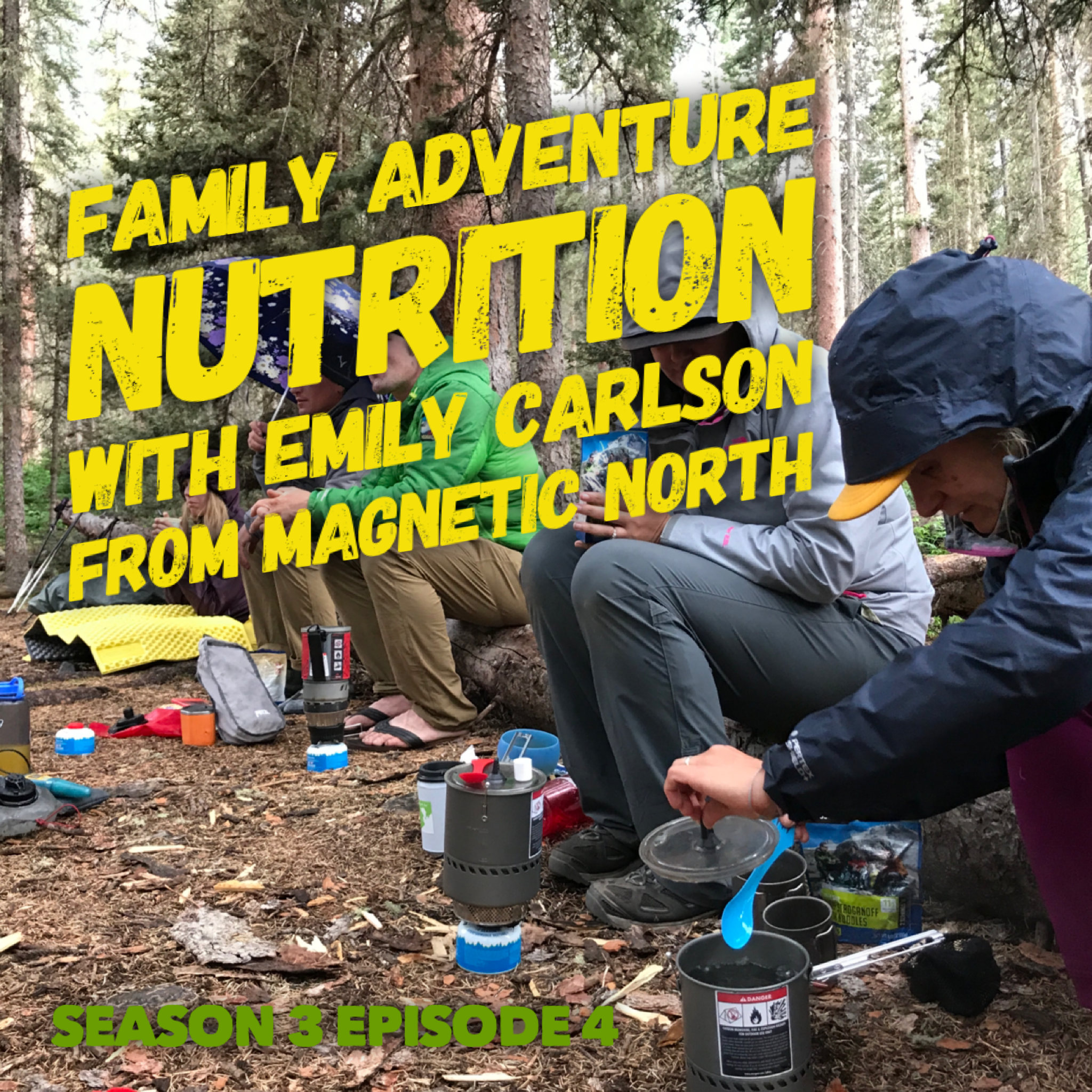
(Podcast) Family Adventure Nutrition with Emily Carlson (Magnetic North)
How do you best feed your family well when you’re outside and active? In this episode, we interview Emily Carlson from Magnetic North.
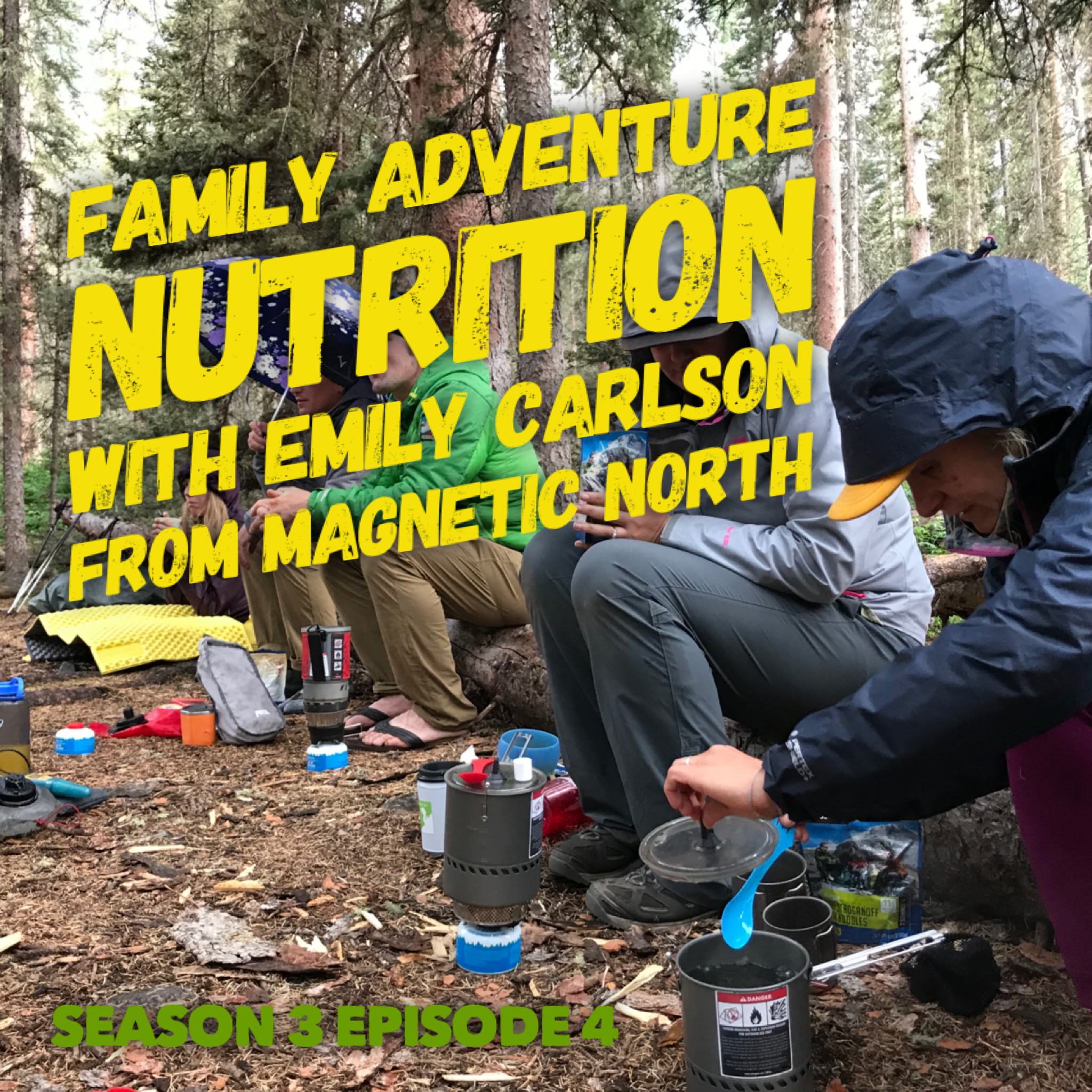
Season 3 Episode 4.
In this episode, we talk with Emily Carlson of Magnetic North (magneticnorth.us) about family nutrition across a variety of outdoor activities and ages of participants! Magnetic North focuses on durability training — continuing to do the things you love for as long as you want to do them.
Covered in this episode: the best foods to pack for outdoor adventures; whether packaged foods are necessary; choosing foods that power you best for the activity you’re doing; including kids in food packing; grab-and-go vs. full-on cooking; carbohydrates, proteins, and fats and what they do for us; short trips vs. long trips; how elevation affects the way your body burns fuel (and water); the other necessities of sleep and hydration; how to avoid spikes and crashes; how elevation changes the macros your body burns; things you can do to help your body prepare in the weeks leading up to a longer trip; supplements and shakes; why taking your time with meals matters; how stress affects digestion; fads and fasting; and a super-special secret s’mores technique!
We loved creating this episode — there are so many wonderful nibbles about nutrition and fueling yourself and your family for any adventure. If you’d like to learn more about Magnetic North, their new Durability School, or one-on-one coaching with Emily (she’s awesome, and so is her cohort Brittany), find them at magneticnorth.us and on Instagram @magneticnorth___. Thanks for listening and sharing our podcast!
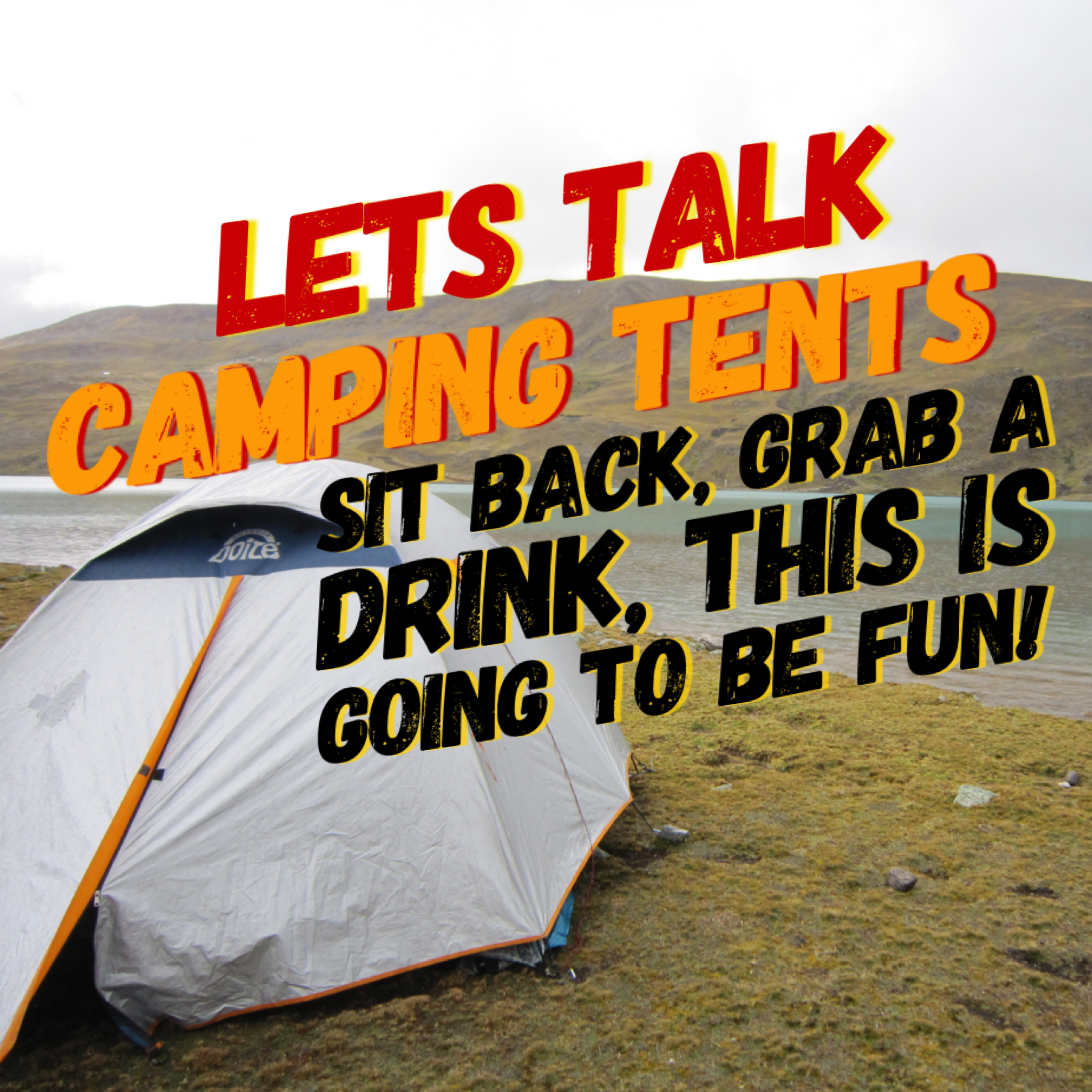
(Podcast) Let’s Talk Camping Tents
Season 3, Episode 3: let’s talk camping tents — tent advice, camp furniture, keeping bugs at bay, where to pitch (and hazards to avoid), organization tips, and dad jokes.
Season 3 Episode 3.
Grab a drink, sit back, and listen to Matt and Cristen talk about pitching a tent… Guess who wrote this? LOL.
In this episode, we talk about what has worked for us when we go camping: tent advice, camp-furniture favorites, keeping the bugs at bay, where to pitch your tent (and some hazards to avoid), organization tips, and dad jokes.
We hope you love this episode — and don’t forget to get out there and enjoy the outdoors as a family!
Gear we mention: the REI Kingdom 6 tent, an REI camp table, the Kelty Loveseat camp chair, bug sprays, and the Ruffwear Knot-a-Hitch dog run.
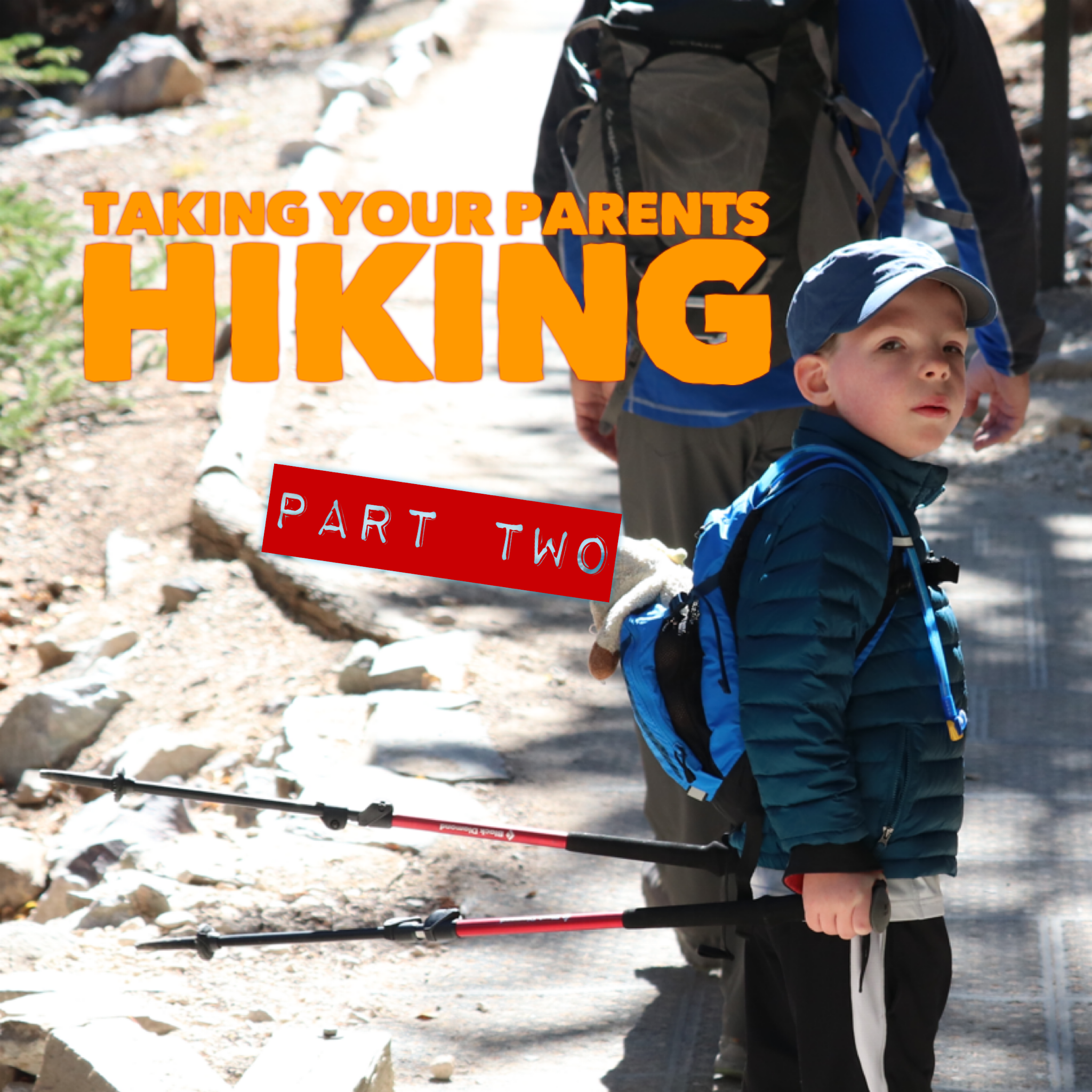
(Podcast) Taking Your Parents Hiking: Part 2. Going Farther & Bryce Canyon Adventures
Season 3, Episode 3: taking your parents hiking, Part 2 — going farther, from short walks to all-day hikes, plus clothing and layering, gear, first aid, and Bryce Canyon adventures.
Season 3 Episode 3.
In this episode, we help you go farther. Beginning with short 1–3 hour walks, we move into the realm of hiking all day and building up distance. We talk about clothing — including rain gear, base layers, and why to avoid cotton. The right gear can really make the difference: we go into depth about what to wear and how to outfit your family so everyone can focus on the fun and not on being miserable. We also share some basic first aid tips — always seek expert advice when you get the chance. This is all in an effort to give you the skills and knowledge you need to feel comfortable pushing farther into the outdoors with your adventures.
Apps we use: AllTrails and Trailforks.
Adventure clothing and gear we mention: Backcountry.com, Eddie Bauer, Title Nine, REI merino wool socks, a hiker’s first aid guide and first aid kits (My Medic), a moleskin blister kit, and our favorite Black Diamond trekking poles.
(Podcast) A Kid’s Guide to Taking Your Parents Hiking: Part 1
Season 3, Episode 2: a kid’s guide to taking your parents hiking — motivation, tips, and tricks to get the whole family outside, from nature walks to all-day epics (Part 1).
Season 3 Episode 2.
Kids, are you tired of being indoors? Do you have a thirst for adventure that YouTube is just not satisfying? We here at Keyword Adventure are here to help! In this episode, we share ways to teach them how to get outdoors and start soaking up some fun. From nature walks to all-day epics, we give you tips, tricks, and fun advice for getting outside. Remember to take those pictures!
We help you find the motivation to get outside and explore the world around you!
(Podcast) Tent Camping Starter: From Living Room to the Backyard
Season 3, Episode 1: tent camping starter — laying the foundation for a great family camping experience, from the living room to the backyard, so the kids are comfortable and the pressure’s off you.
Welcome to Season 3 Episode 1! We’re so glad you’re here.
The Season 2 wrap is complete, and we’re excited to embark on a new season geared more toward helpful steps to get you into your adventures. Season 3 Episode 1 is all about starting out.
Perhaps you’ve wanted to try camping and never had the know-how. Maybe you have experience camping, but not with kids. Or maybe your kids are even asking to try it out, and now you’re doing your best to figure out just how to make that happen.
This episode is all about laying the foundation for a good experience camping in tents with your family — particularly how to set it up so your kids are comfortable, have fun, and it takes the pressure off you. Our goal is to give you tips and tricks to get started in the comfort of your own home. Visit our website and sign up for our newsletter to be one of the first to access gear, discounts, checklists, and more.
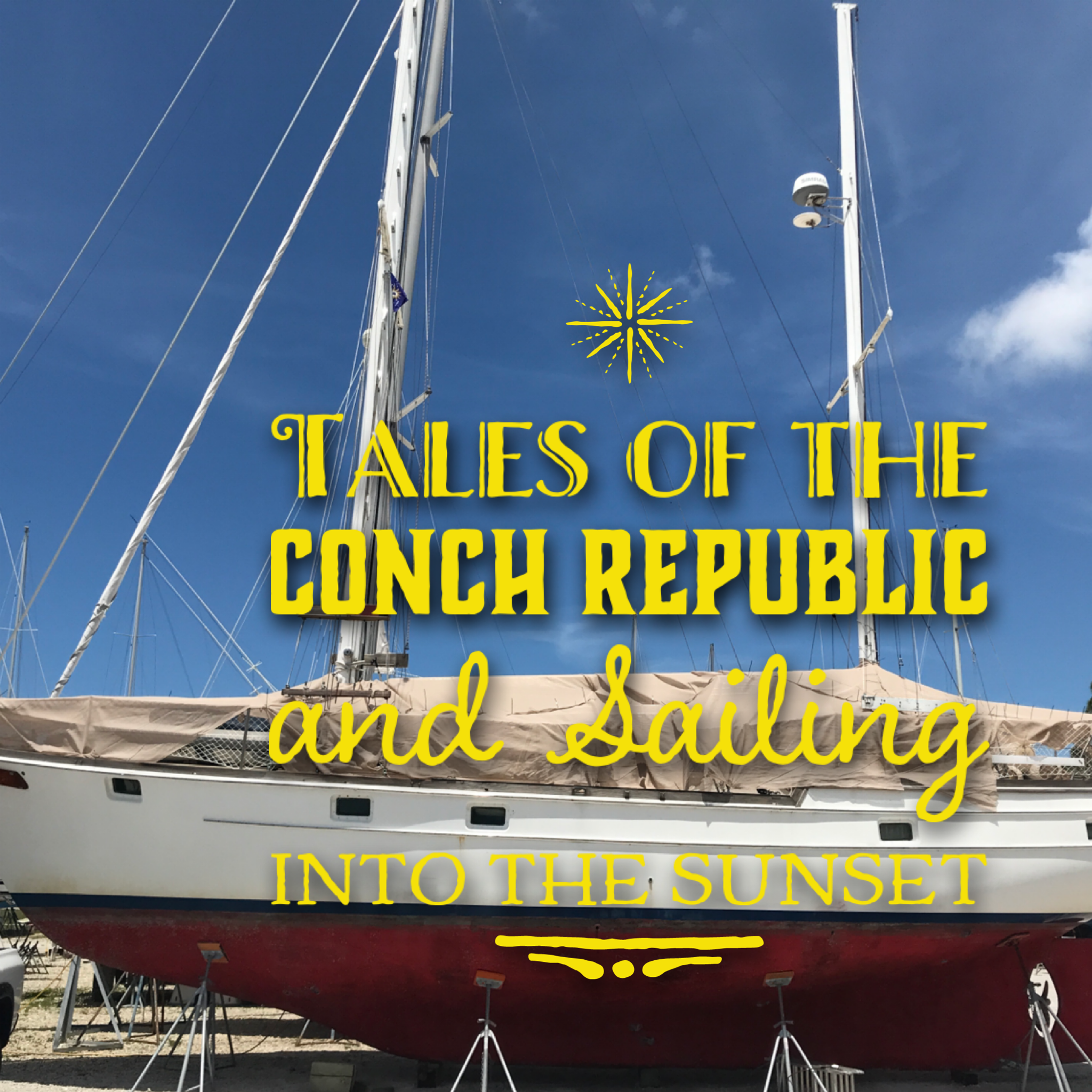
(Podcast) Key West’s Wacky History: Tales of the Conch Republic and Sailing into the Sunset
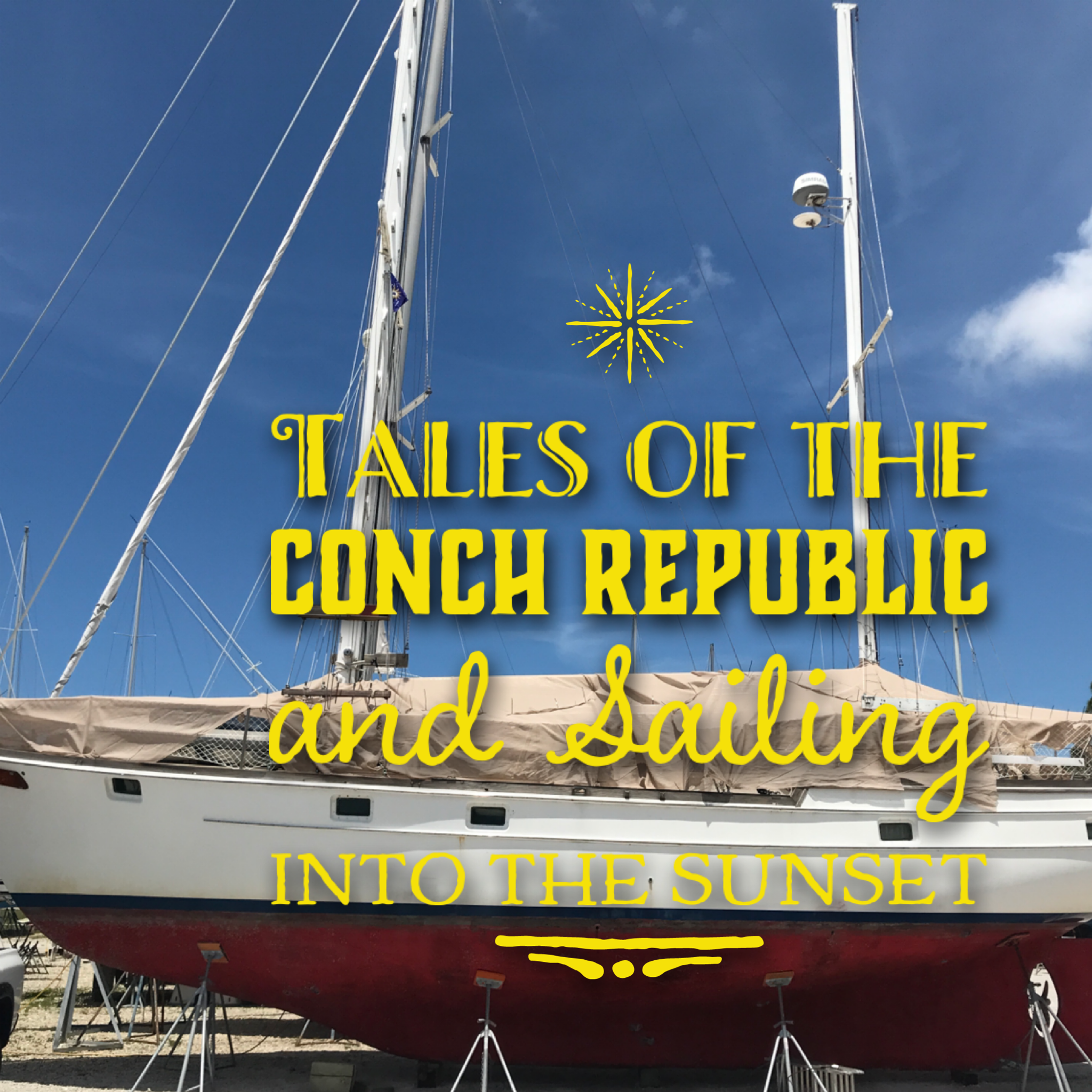
Season 2, Episode 11: the wacky tale of the Conch Republic’s 1982 “war,” then our final overnight passage of the season — sailing home to Punta Gorda and hauling Moon Dragon out for hurricane season.
Season 2, Episode 11.
From a modern-day naval battle to setting sail on our final voyage of the season — and figuring out what to do when hurricane season comes — we couldn’t help but enjoy every minute of this adventure.
Have you heard of the Conch Republic? There’s a great story there. On April 23, 1982, after a series of denials and rejections in the courts, the city of Key West took matters into its own hands. A Border Patrol checkpoint had been set up on the main route into the Keys, leading to long backups and hours of waiting while everything in your vehicle was searched. The city reasoned that if they were going to be treated like a separate country, they would just happily become one. And so the Conch Republic was born.
Spying a target of opportunity in the USCG Cutter Diligence, the wooden schooner Western Union, under the command of Captain John Kraus, attacked with water balloons, conch fritters, and stale Cuban bread. The Coast Guard responded with fire hoses, Prime Minister (Mayor) Wardlow surrendered — and then demanded foreign aid, which has not been paid to this day. A quiet victory was won, though: the checkpoint came down and the traffic jam was gone.
Our Key West story isn’t quite over, but it’s time to head back north and prepare for hurricane season (June 1 – October 31). That means sailing north overnight to our home port of Punta Gorda, in Charlotte Harbor, on Florida’s west coast.
This would be only our second blue-water overnight passage, and we felt much better prepared — even though we’d been hanging in the straps at the work yard just a week before. A full safety inspection, including the mast and rigging, a little provisioning, and all we needed was perfect weather.
When passage planning, we rely on a few different forecasts — Predict Wind, Weather Underground — and double-check against the National Weather Service. Lucky for us, the weather was spectacular: winds out of the SSE at 12 knots and a gentle following sea. We made great time on what was by far our most comfortable passage to date. This is why people sail — smooth seas, a good breeze, and the open-water experience. It was perfect: sailing into the sunset and arriving the next afternoon, happy and confident in our skills and in our beloved Moon Dragon.
Hurricane season — and preparing Moon Dragon to be on the hard (stored on land, strapped down on stands in a hurricane-approved marina) — was our next challenge, and I’m so grateful I had the help of my brother and father to get her all set up. We cleaned her out of food (donating everything they’d accept), stripped the sails, cleared the decks of gear and lines, and rigged a sunshade across the entire deck. We did a lot of work in a very short time!
Cristen took on the challenge of driving north with Eric and the dogs (who were super gassy) and all of our stuff, while Eric had a couple of yearly doctor checkups back in Missouri that we really didn’t want to miss. Needless to say, she’s amazing and really stepped up. (Matt is the author of this blog and her biggest fan.) I was able to join them back in Missouri a couple of weeks later… but that’s another story.
Now that we’re back in Missouri, we’re all set to take on new challenges — and, as always, we keep in mind that when facing the unknown, the keyword is ADVENTURE!