
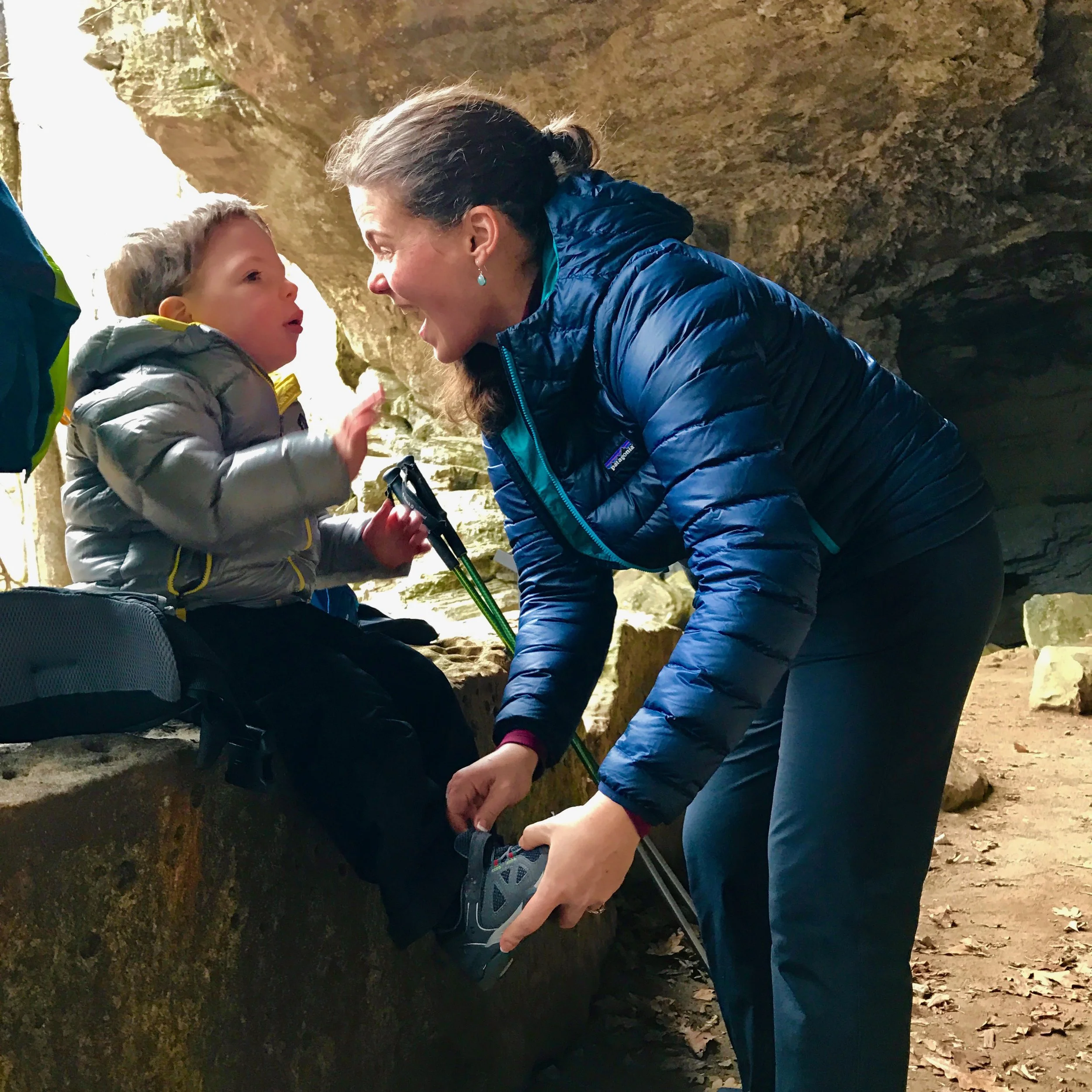
Gear That Just Fits: Sensory-Friendly Outdoor Clothing for Kids and Adults
Helping outdoor adventures feel accessible to everyone starts with making sure they can comfortably join us! While some adventures are as simple as neighborhood park visits or walking in the backyard, others take more preparation and that’s when clothing and gear begins to make a huge difference on the overall experience.
Sensory-friendly clothing and gear exists more than ever - this article covers what to keep in mind while shopping for sport-specific activities and sensory needs. Happy adventuring!
It happened again. I was standing in the kitchen when The Dude came around the corner with scissors in one hand and a vice grip on a tag stitched into the inside of the shirt he was wearing.
“Cut it off, please.” He didn’t even have to say it, though. I knew as soon as I saw the tool in-hand what the request would be. It’s not the first time and it won’t be the last. With a surgical precision and a concerned kid who didn’t want the shirt to be damaged (because he liked it except for that darn tag), it snipped the tag away.
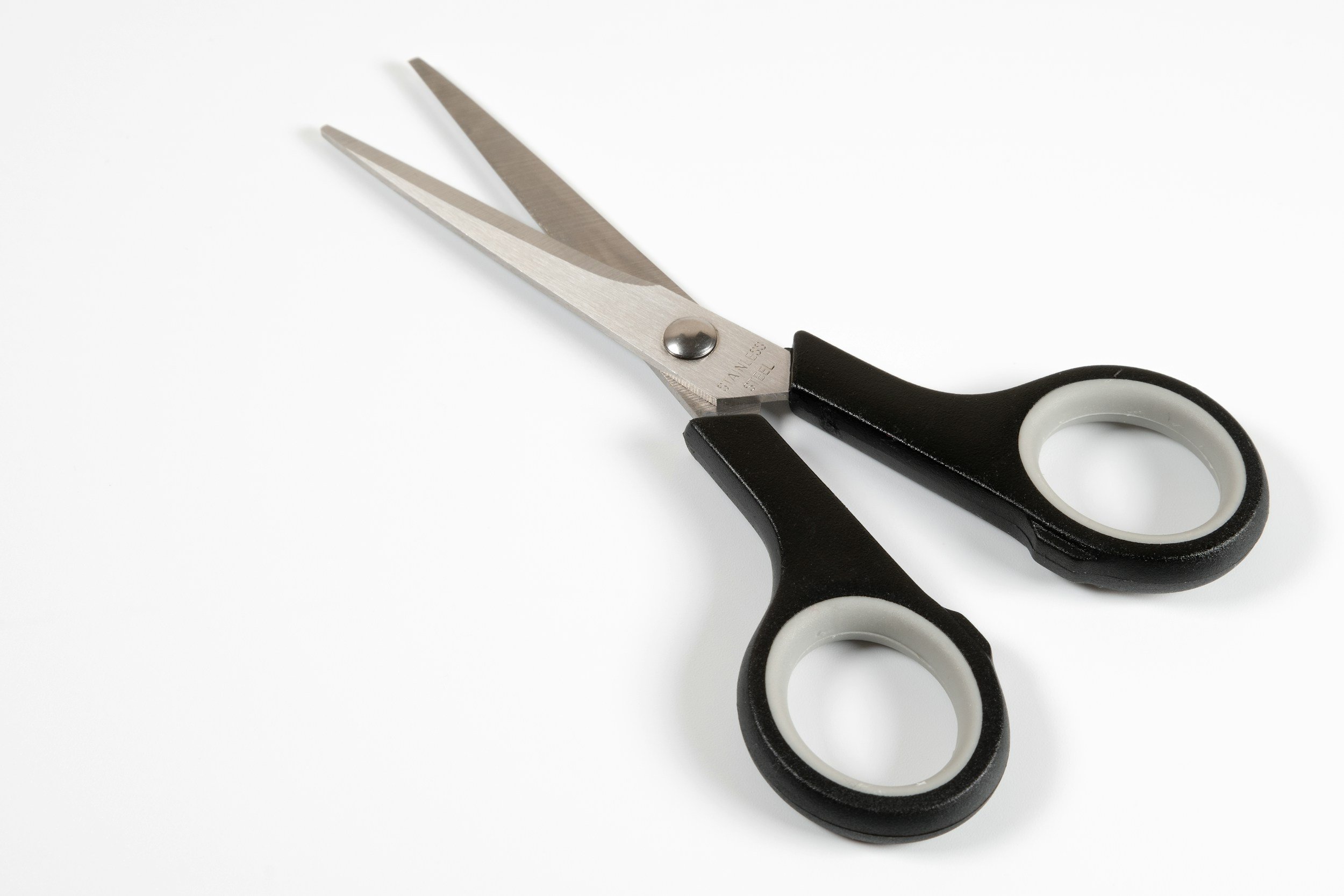
Get the scissors, for the love of all that’s scratchy…!
For a lot of us, the hardest part of getting outside isn’t the trail, the water, or the miles - it’s the getting dressed part. A scratchy tag, a seam pressing across the toes, a helmet strap that pressed around an ear in a weird way, a swimsuit that grips in all the wrong places: any one of these can end an adventure before it begins. And it isn’t only our kids. Plenty of adults quietly skip activities they’d otherwise love, simply because the gear is unbearable against their skin.
Sensory sensitivity shows up often in autistic and ADHD folks and in anyone living with Sensory Processing Disorder, but none of us needs a diagnosis to loathe a bad seam. The good news is that the outdoor and apparel worlds have caught up. There’s a real range of clothing now built to blend in the moment it goes on. Here’s what to look for, along with the brands and specific pieces worth knowing, organized around the activities we love.
What Actually Makes Clothing Sensory-Friendly
Before we get to brand names, it helps to know which features matter. When we can read a product page or feel a garment in a store, these are the green flags:
- Tagless or printed labels. Traditional neck and waistband tags are one of the top offenders. The best pieces print the care information directly onto the fabric so there’s nothing left to itch. If a tag does exist, look for one that’s been heat-pressed flat - or plan on carefully removing it.
- Flat, external, or seamless construction. Raised interior seams rub, especially at the shoulders, underarms, and toes. Sensory-focused brands use flatlock seams, move the seams to the outside of the garment, or knit pieces seamlessly so there’s no seam at all.
- Soft, breathable fabrics. Organic cotton, bamboo, modal, and Tencel are naturally smooth and gentle. Patagonia has Capilene, a silky synthetic fabric. Fine merino wool works beautifully too, and the trick there is fiber diameter. Anything under about 18.5 microns bends on contact with skin instead of poking it, which is why fine merino doesn’t feel like the itchy wool many of us remember from childhood (this still really depends on the person’s sensitivity level, though).
- Simple, gentle closures. Metal buttons, stiff zippers, and tight elastic can all be triggers or even challenges for people with finger dexterity or strength issues. Velcro, magnetic closures, encased soft waistbands, or no closure at all tend to go over much better.
- Solid colors and minimal print. Heavy screen-printed graphics and dye-stiffened patterns can feel rough, or just plain loud. Many sensory-sensitive kids prefer quiet, simple color schemes.
- Compression, when it helps. This one is a bonus rather than a requirement. Snug compression garments provide deep-pressure input that many may find genuinely calming and organizing, and they layer neatly under other outdoor gear. The opposite can also be true - again, it really depends on the person and trying options to see what works.
One note on fit: with swimwear and anything worn wet, buy snug. Suits loosen in the water, and a secure fit often feels safer and less fidgety, not more.
Trail Clothes and Base Layers for Hiking
Hiking is mostly a base-layer-and-socks game, which makes it the easiest activity to solve.
Socks come first and this is a big one. Seams across the toes can cause more discomfort than nearly anything else in the drawer. SmartKnitKIDS seamless socks are knit from the toe up with no seam at all, hug the foot so they don’t bunch, and wick moisture, which matters on a sweaty trail. For the kids (and adults) who genuinely hate socks, FLAT SOCKS take a different approach - a trimmable, no-show insert that sits inside the shoe, so feet feel bare but stay dry and blister-free.
Bamboo-blend sensory socks from CalmCare and Parker & Talia are another soft, moisture-wicking option. For cold-weather hikes, fine merino socks regulate temperature without the itch. Minus33, Darn Tough, and Smartwool all have versions of seamless or “virtually seamless” comfortable wool socks for kids and adults. They also last a long time.
For everyday tagless kids’ clothing, Primary is a fan favorite: solid colors, no logos, no scratchy graphics. Cat & Jack Adaptive at Target offers tagless, flat-seam, soft cotton-blend pieces at approachable prices, and Kickee Pants and Lucky & Me are both beloved for their buttery modal and bamboo blends. We’ve also had luck with Patagonia’s Capilene clothing over the years, though we do end up cutting the tag out of the side seam of the shirts many times.
When we need a little extra regulation on the trail, a compression base layer can take the edge off. Kozie Clothes (designed by a pediatric occupational therapist) and JettProof both make four-way-stretch compression shirts and undervests meant to be worn under a regular hiking shirt, with external stitching and stamped labels so there’s nothing rough on the inside. JettProof’s fabric wicks moisture too, which matters once we’re moving.
Adults, don’t skip yourselves here. Fine merino base layers from Smartwool or Meriwool are soft enough for next-to-skin wear (look for roughly 16.5 to 18.5 micron and OEKO-TEX certification). Tencel and silk are excellent smooth alternatives if wool isn’t your thing, and both JettProof and FLAT SOCKS make adult sizes.
On the Water: Paddling, Swimming, and Beach Days
Water gear is uniquely tricky. Wet fabric grips, mesh liners scratch, and everything feels more intense against the skin.
NoNetz was created by a mom whose son couldn’t tolerate standard swim trunks. Their suits skip the scratchy mesh liner entirely, use anti-chafe fabric inside, and place seams flat or on the outside. They make kids’ and adult sizes, and their designs are tested with the autistic community before they go into production. For sun protection and a feeling of security, a snug long-sleeve UPF rash guard works well - it gives that gentle all-over pressure many kids find reassuring, and it layers nicely under a paddling PFD. Target carries a sensory-friendly swimwear line too, with flat seams, no tags, and adaptive suits with easier closures. We’ve liked the silky liner inside of Eddie Bauer’s kids comfort liner swim shorts.
If our kids resist water on their faces, Frogglez goggles are worth a look. The soft fabric strap slides over the head without pulling hair, which is a common sticking point with traditional silicone straps. Water shoes are worth adding as well, to protect against rough launch sites, creek beds, and hot docks. That transition from land to water is so often where the sensory friction shows up.
Full wetsuits are a bigger ask. If we’re heading into colder paddling, size for a snug-but-not-crushing fit, look for flatlock or glued-and-blind-stitched seams rather than raised overlock seams, and consider a thin sensory-friendly rash guard underneath as a smooth barrier against the neoprene. Especially for kids whose bodies may have a harder time regulating temperature, a “shortie” wetsuit might be something to consider.
As a side note for days in the sun, a long-sleeved synthetic shirt or rash guard and a wide-brimmed hat can help reduce the amount of skin that requires sunscreen (if that’s an issue for you or your family member).
On Two Wheels
Biking adds a couple of wrinkles: the helmet and the seat.
The helmet can be a battle for some. A good sensory fit is snug enough that it doesn’t rock forward, back, or side to side, with a chin strap that holds without digging. Nutcase and Lazer both come up often for softer padding, adjustable systems, and smoother interiors. The removable pads inside most helmets are our friend here - we can swap or adjust them to fine-tune both the fit and the feel, and wash out the sweat that makes them scratchy over time. One classic occupational therapy trick for helmet resistance: desensitize the head first with gentle massage or vibration before the helmet goes on, and build up wear time gradually rather than all at once. Wear helmets around the house together as a family for a little while as a “silly” activity to take the newness away.
Padded cycling shorts are notorious for seam irritation, but can make a big difference on saddle soreness. A smooth compression base layer (Kozie or JettProof again) worn underneath creates a friction-free barrier. For kids who are still learning to ride, long sleeves and long pants both cushion the inevitable falls and, for many, simply feel more contained and secure than bare skin. Keep the same tagless, flat-seam rules in play for jerseys and tops, and remember that quiet solid colors usually beat loud graphic prints.
And if your kiddo or family member is ready for longer rides, consider Chamois Butter or something similar in those high-friction saddle areas so that they avoid too much soreness. We swear by that stuff!
A Few Shopping Tidbits Worth Keeping
Fabric tolerance is deeply personal. Even the softest merino bothers some of us, so introduce new textures gradually and watch the reaction rather than assuming a sensory-friendly label guarantees a win.
Let our kids have a say. Being able to choose the color or the style, even just between two solid options, turns getting dressed from a fight into a decision they own.
Buy from places with easy returns. Shopping online means we can’t feel the fabric first, so brands offering free, no-questions returns for surprise irritants (several sensory-focused makers do) are worth prioritizing.
And we can always go inside-out. For socks and simple tees, wearing a garment inside-out to escape an interior seam or a loose thread is a perfectly legitimate solution. With solid colors, nobody can tell!
Finally, we bring a set of “regular” clothes to change into when we’re back at the car (or camp). Whether we’re damp from water, weather, sweat, or its simply time to change sensations, we have the comfy clothes to change into and round out the end of the day’s adventure with feeling great in every way possible.
Getting outside should be about the time together, the experience, and the fun - not about a tag someone can’t stop thinking about. Gear now exists to make the outdoors genuinely comfortable for sensory-sensitive kids and adults alike. Sometimes inclusive outdoor access looks like a wide, well-graded trail. And sometimes it’s just a seamless sock.
Sometimes you just have to stop and adjust things for better comfort (and have a tasty snack).
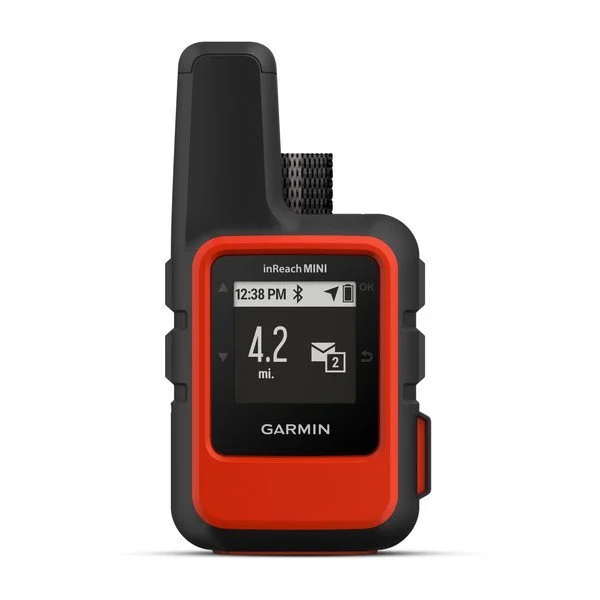
Review: Garmin inReach Devices
Our years-long take on the Garmin inReach satellite communicators — the Mini, Montana series, and marine/aviation options — for staying safely in touch (and adding real peace of mind) far off the grid.
This little device - or one like it - could be a great addition to your time in the wilderness.
This post contains affiliate links. If you buy through our links, we earn a small commission at no extra cost to you. Thank you!
We've owned and used the Garmin inReach satellite communication system for several years now, and it's been a game changer for staying safely in touch while traveling in remote places. Straight from Garmin: with inReach satellite technology and an active subscription, you can send and receive messages, navigate your route, track and share your journey, and - if necessary - trigger an SOS to Garmin Response, a 24/7 staffed global emergency coordination center, over the worldwide Iridium satellite network. It's amazing.
It's now something we don't start an adventure without. We've used it many times (fortunately never to call for help), most often just setting up the tracker so family and friends can follow along and check in when we're otherwise unreachable: offshore, in the mountains, or on a remote gravel road in the woods. A few times we pulled weather forecasts while sailing, which was a real help when we were second-guessing conditions.
Think of it as a backup to your skills, preparation, and intuition: something that can help emergency personnel find you if things go very wrong, while giving your loved ones peace of mind when everything's going right. Cristen loves her solo adventures, and we all feel better when she heads out with her inReach Mini clipped to her hydration pack: safer for her, and we can see where the pedaling takes her.
Garmin keeps building inReach into more and more of their devices, which is great. Which one is right for you depends on your needs and what you do (and don't) want to carry — more features usually means more size and weight. Nothing is huge, but it's worth considering. We love the Mini for its small size and easy pairing with our phones via the app, which unlocks a lot of features. If you're shopping today, the compact end of the line has grown: the inReach Mini 2 is the lightweight standard, and the newer inReach Mini 3 Plus (announced late 2025) adds a color touchscreen, photo sharing, and even 30-second voice messages. Garmin also makes the pocket-friendly inReach Messenger and Messenger Plus if you want simple two-way messaging on a budget. And if you already wear a Garmin watch, inReach is now built right into some models like the fēnix and tactix — one less thing to clip on.
If you'd rather not carry a phone into the field, a rugged all-in-one unit like the Garmin Montana 700i or 750i — big touchscreen, onboard maps, inReach built in — might suit hikers and hunters better.
Not hiking or hunting? Garmin also makes inReach-equipped devices for boaters (with waterway charts) and even for aviation. The hard part isn't finding options — it's choosing just one.
Once you pick a device, you choose a subscription. Garmin refreshed its plans, and they now run from Enabled (the most basic — just keeps your device active at a low monthly cost) up through Essential, Standard, and Premium, which offers the fastest tracking and unlimited messaging. Plans can be billed month-to-month (pause or cancel when you're not using it) or annually for a lower rate. We leave ours running, because it doubles as a backup when a natural disaster takes out land-based communications: family in Florida have used it during hurricanes, we use it during tornado season in Missouri, and family in Oregon reached us during wildfires when cell towers were down. Not bad insurance — the basic plan starts at just a few dollars a month, and SOS is included on every plan. We keep it in our emergency kit even when we're not actively adventuring. (Garmin adjusts plan pricing from time to time, so check their site for the current rates before you sign up.)
We get a lot of questions about what we use for safety communication, and we hope this helps. Whether you want a great adventure communicator or a way to stay prepared when regular comms fail, Garmin inReach adds real peace of mind. Questions? Reach out anytime.
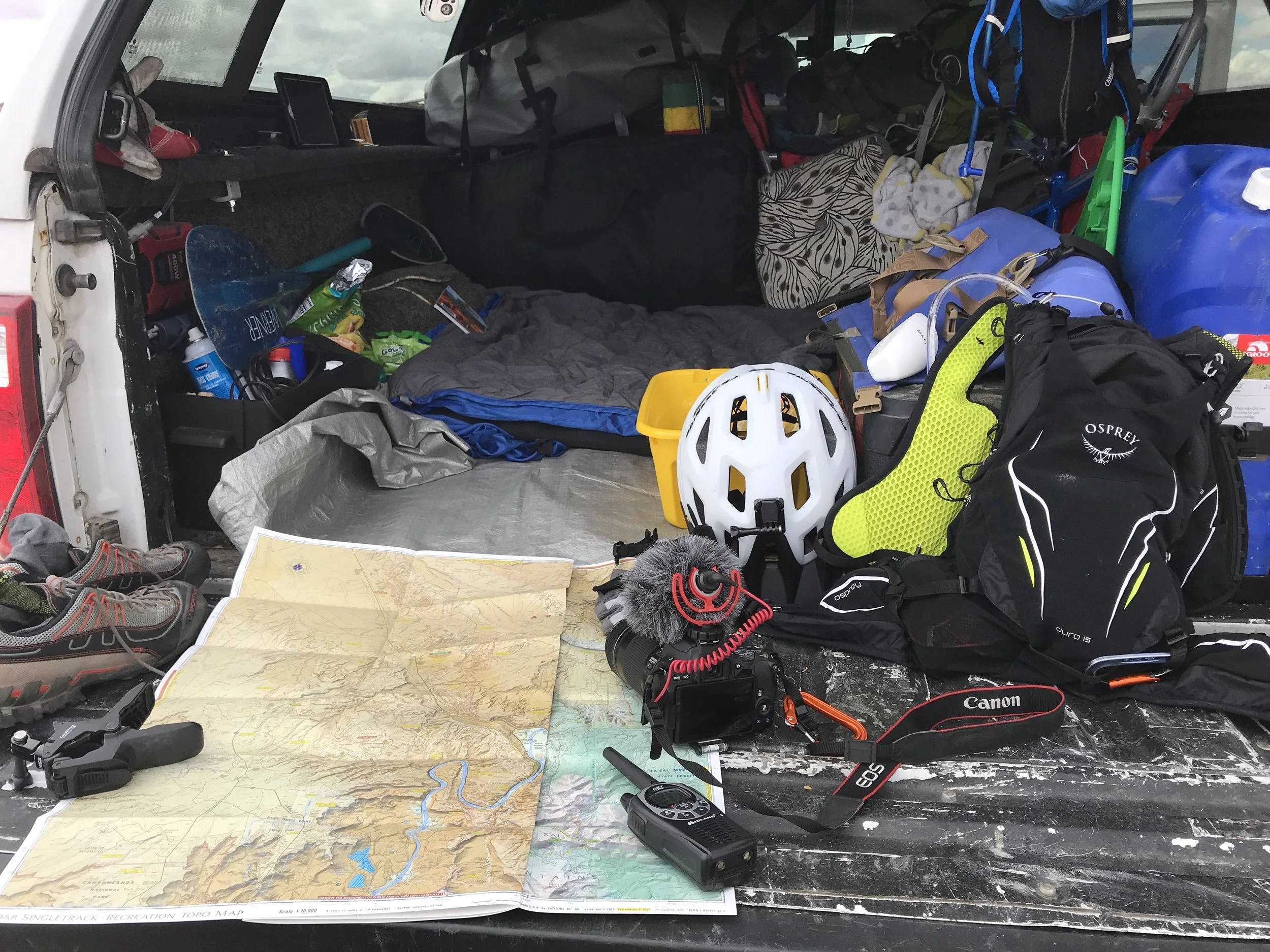
8 Places to Save Money on Outdoor Gear
Our favorite reliable places to find deep discounts on outdoor clothing and gear — from Steep and Cheap and REI Outlet to consignment shops, Patagonia Worn Wear, and gear rentals — so more of your budget goes to the adventure.
Quick answer: To save money on outdoor gear, shop discount sites like Steep and Cheap and REI Outlet, check Facebook Marketplace and gear rental services, hit consignment stores while traveling, watch gear shop sale racks year-round, and use Patagonia Worn Wear or REI Re/Supply for quality used gear at a steal.
Sometimes it’s time to refresh the gear and doing it on a budget is nice.
This post contains affiliate links. If you buy through our links, we earn a small commission at no extra cost to you. Thank you!
We are gear heads - outdoor gear, that is. Our garage is filled to the brim with backpacks and shoes, paddling gear, and bikes, gathered over years, even decades. When our son grows, something wears out, or the tech changes so much that one item can do the work of five, we go hunting for replacements and sales - because gear can be expensive.
We like to find deals and save money, too - that savings can go straight toward the adventures the gear is meant for. After a while we realized that chasing sketchy coupon codes wasn’t paying off, so we started shopping smarter and finding consistent, reliable places to get what we’re looking for. Here’s our list of favorites when we need a break on outdoor clothing and gear:
Steep and Cheap. Many people know its bigger sibling, Backcountry.com, but fewer realize this off-shoot is home to some deeply discounted gear and clothing. You might find obscure sizes or last-season colors, but when you find something that works, it’ll be at a great price.
Facebook Marketplace. If you don’t live in the heart of the sport you love - say you’re in the Midwest but love snow sports - widen your search radius and be willing to pay for shipping. You may be surprised what turns up to fill the gaps in your gear closet.
Gear Rentals. There are online gear rental stores that can ship gear to you throughout the US. Look for names like Lower Gear Outdoors, Gearo, or Outdoors Geek: some of the longest-standing gear shipping rental businesses. I say this because many have folded over the years with a few left standing. It’s a great way to find the gear you need for a trip that you don’t need year-round, long-term, or simply don’t want to/can’t travel with.
Used / Consignment Gear Stores. We discovered these on a long road trip out West. Obvious if you live in Moab, Eugene, or Colorado Springs - but we don’t have them where we live. We hit the jackpot on kids’ jackets and winter gear, and loved it so much that now we sometimes take a box of gear to consign when we head West.
Gear Shop Sale Racks. More and more new-gear shops keep an evergreen sale section year-round, not just during a seasonal event. Poke around - it might be hiding upstairs, downstairs, or in a corner.
Patagonia Worn Wear. One thing we love about Patagonia is its commitment to environmental stewardship: long-lasting gear, solid warranties, and repair options. Worn Wear lets owners pass along gently used gear to buyers looking for exactly that — at a good price.
REI Outlet. Just as Steep and Cheap sits within Backcountry, REI Outlet lives within the REI site and app. Find last season’s clothing, coats, panniers, harnesses, goggles, and packs for much less — and REI’s return policy is generous if it doesn’t work out.
REI Re/Supply. No longer a hush-hush secret. It’s other REI members’ returned gear at a steal and all the time. What was once their stealthy garage sale has been reimagined. You must be a member (worth it for the 10% annual dividend). And you can trade in your old gear for an REI gift card.
It’s also worth mentioning that REI offers some rental gear from select stores around the US.
We love our time outside and the adventures that reliable, high-quality gear makes possible - finding savings here and there just extends the exploration. What are your favorite ways to save when you’re hunting for gear? We’d love to hear your tips.
When to Go GoreTex
Is GORE-TEX necessary for your next adventure? Maybe! Let’s talk about what it is, when it’s best used, and the benefits of having GORE-TEX in your kit for foul weather adventuring.
Quick answer: GORE-TEX is worth using whenever weather turns wet, cold, or windy: it’s a waterproof, breathable, windproof membrane best for hiking, paddling, and sailing jackets you’ll reuse for years. For casual errands it’s overkill, but for unpredictable conditions or layering against brutal cold, its durability and performance pay for themselves.
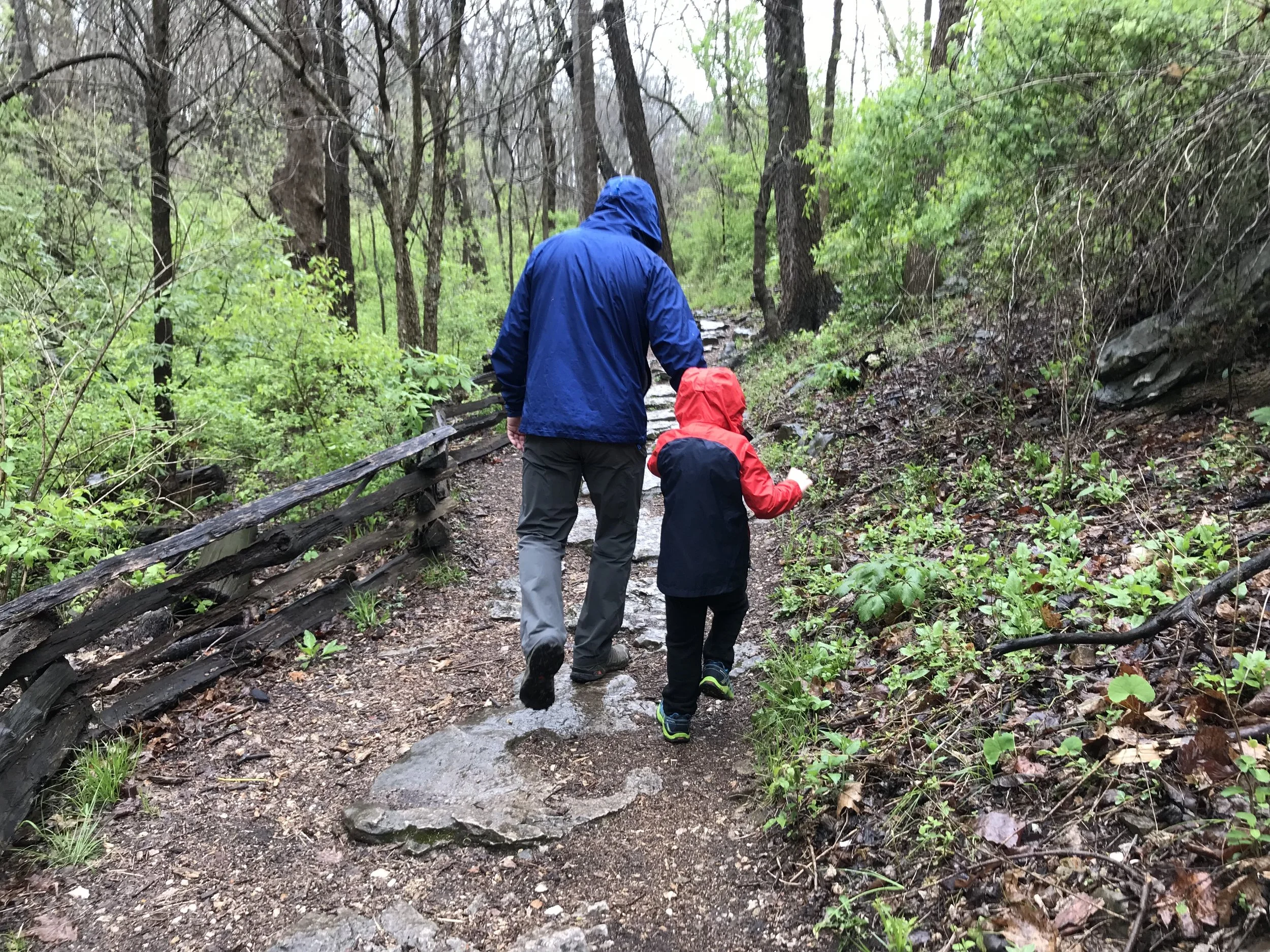
A rainy hike is the perfect time to break out the GORE-TEX
Chances are you’ve heard the GORE-TEX name sometime in the last 40 years. It’s come to stand for top-level waterproof, breathable performance in everything from footwear and jackets to gloves, pants, and hats.
The story actually started in 1958, when a DuPont employee and his wife (Bill and Vieve Gore) started a company to explore a new material called PTFE. Then, in 1969, a discovery by their son Bob led to the birth of ePTFE — the king of breathable waterproof fabrics. What followed was a wave of improvements that led to better and better products for everyone from astronauts to explorers, and even my kid’s shoes.
Yes, other companies are doing fantastic things with similar products: Pertex, Polartec, Ottertex, BDry, eVent, Eco-Shell, Proflex, Sympatex, and Futurelight. In very simple terms, these are all micro-porous fabrics with varying features that affect breathability, durability, and sustainability. They share the same intention — keep water off you while still letting the vapor your body releases escape, so you stay dry.
When GoreTex is necessary for my jacket, gear, or adventure
So the question is: when do you actually need a GORE-TEX level of protection?
Well, I always keep a jacket in my vehicle because it keeps me dry in the rain. That same jacket comes with me hiking, paddling (not whitewater — that’s a different jacket designed for a specific use), and sailing. By using it and cleaning it about every three to six months depending on use, I get an excellent return on my investment. I’ve used the same jacket for a decade, which makes for a use-per-cost breakdown I really like. Having something you can count on in a wide variety of situations is such a comfort.
Is it a bit of overkill for running into a coffee shop or store in town? Most likely. But it does a great job keeping me dry and happy, and that’s what counts to me.
One of the other benefits of a GORE-TEX jacket is that it’s windproof. On a cold day, that can make a huge difference. Pair the jacket with a fleece or down insulation layer and you’ll find you can stay comfortable in some pretty adverse conditions. One example that comes to mind was early 2021, when the Midwest had one of the coldest winters on record — temperatures dropping into the negative double digits for multiple days. A layering system was mandatory to go outside safely for any length of time, and the jacket that “just kept me dry” became an invaluable part of my wardrobe on those brutal days.
A GoreTex of many faces: new tech keeps improving
Once you go past casual use, you’ll notice a wide variety of products: Pro, Paclite, 2-layer, 3-layer… it really goes on and on. That just means the original product has been improved and specialized for different products — or even for different areas within the same product. It’s all about durability and breathability, and new developments happen every few years.
One of the latest updates came in the cycling world, where you really need something that dries quickly and breathes efficiently. Enter the “Shakedry” feature: you can literally give the jacket a good shake, and because it’s so hydrophobic, the water can’t stick to it. Pretty cool! It’s not something I need daily, but if you’re planning a bikepacking trip or you’re a daily bike commuter, you’d be very excited about it.
So when do you actually need GORE-TEX? Easy: if the weather is going to get wet, cold, windy, or nasty, you’ll be very happy to have it. And when that next adventure comes around, remember — there’s no bad weather, only bad gear.
Everybody on the Trail: A Guide to Adaptive Outdoor Gear by Activity
Adaptive equipment is available for more people across more outdoor sports than ever. Here’s a quick overview of different ways people with disabilities are getting outside with the adaptive gear that helps make it happen. Nature and the outdoors is everyone’s adventure playground!
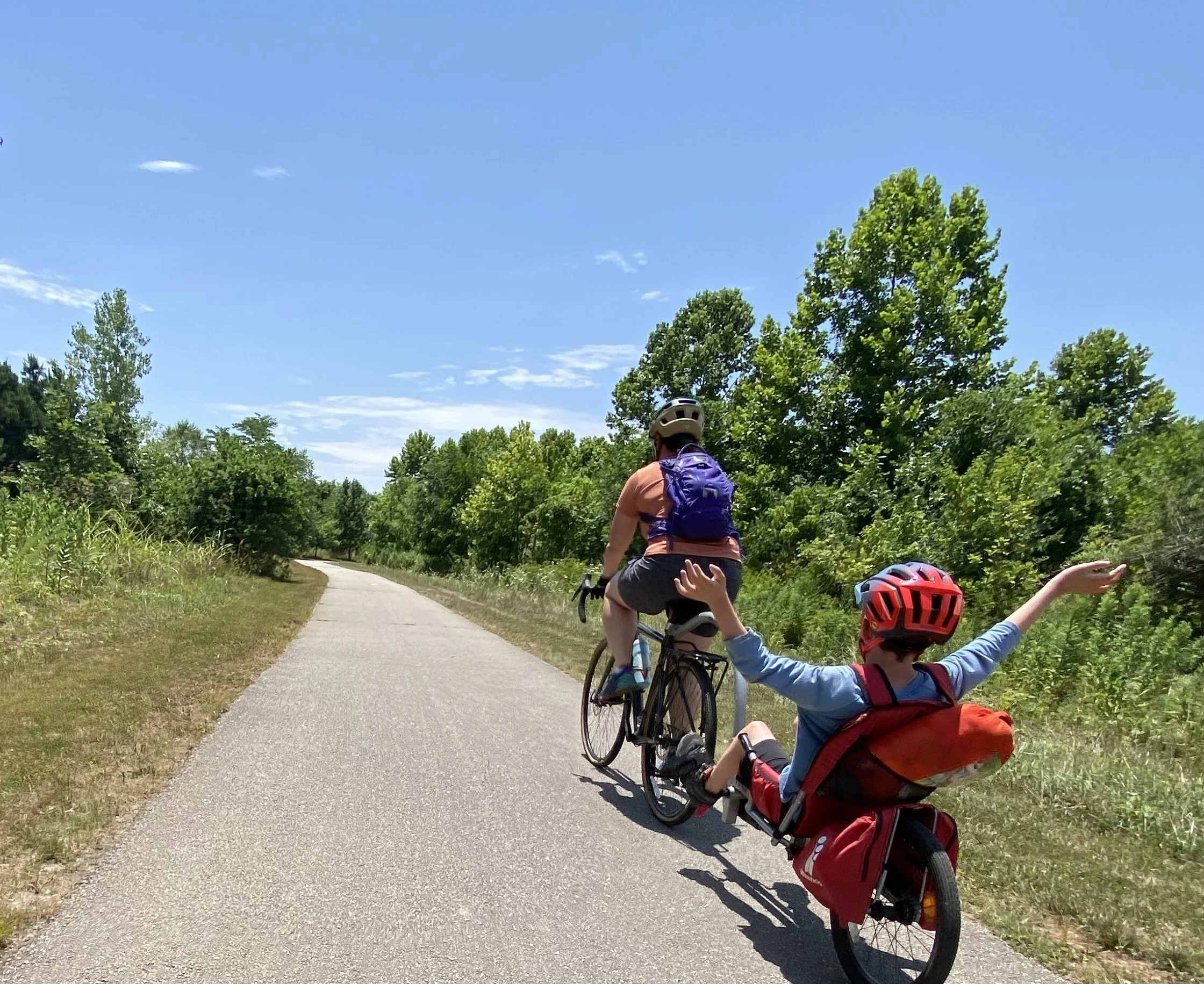
A bike trailer is a great way to get your kid out there with you.
We believe spending time in nature and the outdoors is important for human well-being. And we also believe that nature and the outdoors, in some capacity, should be accessible to everyone, regardless of ability, disability, or for any other reason.
Around here we talk a lot about inclusive access, and usually that means the sensory side of things - the tags, the textures, the overwhelm. But access has another whole dimension: the equipment that gets people with mobility differences onto the trail, into the boat, and up the wall in the first place, not to mention the way trails are constructed with adaptive equipment in mind.
Hiking and Getting Down the Trail
The headliner here is the all-terrain wheelchair, and a great example is the GRIT Freedom Chair. It’s a manual chair designed by MIT engineers that uses a lever-drive system (think mountain bike parts) to make pushing across dirt, grass, sand, gravel, and snow dramatically more efficient than a standard chair. It breaks down to fit in a car trunk, and it comes in sizes for all ages and bodies - there’s a youth version and a GRIT Junior billed as the first all-terrain kids’ wheelchair, so nobody gets left behind at the trailhead. For riders who want maximum ruggedness, the Spartan trim was originally built for obstacle-course racing.
The technology and engineering of all-terrain wheelchairs has come a long way and new makers and innovations continue to move ahead, making activities and places more accessible than ever.
One tip applies across every category below: many national and state parks, plus adaptive programs, now loan or rent all-terrain chairs right at popular trailheads. Always worth a call before buying.
Paddling and Getting on the Water
Watersports are some of the most adaptable activities out there, because so much of it can be adjusted piece by piece.
Start with the boat. Sit-on-top kayaks and wider-hulled boats are the usual recommendation, since the open deck makes transfers far easier for wheelchair users and the width adds real stability. A commonly recommended crossover boat is the Wilderness Systems Pungo, though plenty of models work well. But if whitewater kayaking is a dream, do know that there are paddlers out there who do amazing things in creek and playboats, too.
From there we layer on adaptations as needed. Outriggers - pontoon floats mounted to the sides - add major stability and make getting in and out much steadier. (They reduce tipping risk but don’t eliminate it, so caution still applies.) Adaptive seating replaces the stock seat with adjustable trunk and lateral supports. For simple pressure relief, gel and bead seats like the Jackson Sweet Cheeks or the Hobie Comfort Seat conform to the body and remove pressure points.
Adaptive paddles open things up for limited grip, strength, or one-arm paddling. Angle Oar’s Versa paddle mounts to the boat and pivots, taking the load off shoulders and wrists, and Dillenschneider Designs makes a well-regarded one-arm freedom paddle. A simple wrist-cuff-and-disc setup lets someone who can’t grip a shaft still paddle with real control. And transfer aids - benches, kayak “chariots” with wheels, and in some programs a Hoyer-style lift - make the move from wheelchair to boat safe and smooth.
Cycling and Getting Rolling
Bikes include a much wider, encompassing spectrum than what many of us have in mind. The main families look like this.
Handcycles are powered by the arms, for riders with limited leg mobility. They come recumbent (laid back, low center of gravity, easiest to transfer onto), upright, and in rugged off-road versions for trails.
Recumbent trikes use a reclined seat that supports the back and joints. Two front wheels and one rear (a “tadpole”) tends to be the most stable and is often recommended for riders with balance or visual differences, while one front wheel and two rear makes a “delta.”
Tandems are built for two, so a sighted or stronger captain steers up front while a stoker pedals behind. Side-by-side duets put riders shoulder to shoulder for easier communication, and wheelchair tandems let a chair dock right onto the frame, with no transfer required at all.
Therapeutic trikes for kids and adults come with adjustable supportive seating, foot straps, and steering limiters. They’re a common fit for balance differences, and for many autistic riders who simply feel steadier on three wheels.
E-assist can be added to any of the above, to flatten hills and stretch range when arm strength or stamina is the limiting factor.
When our son was younger, we also had bike trailers, such as the WeeHoo Bike trailer, that we towed everywhere. It took some practice, but once we had the hang of it, we all loved it!
Prices swing widely - a basic adaptive trike might run a few hundred dollars while a specialized handcycle or wheelchair tandem climbs into the thousands - which makes the lending and grant programs below especially worth knowing about.
Sailing and Feeling the Wind
Sailing is a very inclusive and adaptive sport that allows a person to be as relaxed or as active as they want to be. Few things rival the feeling of catching the wind and letting the water carry you, and adaptive sailing makes that feeling reachable for people with a wide range of physical abilities. The gear that opens this door starts with the boat itself. Purpose-built adaptive keelboats and dinghies—like the Hansa (Access) series, the Martin 16, and the SKUD—are weighted to be nearly impossible to capsize, so a sailor can focus on trimming the sail and steering rather than balancing.
Many pair with seating systems that add trunk support, swivel seats that make transfers easier, and dockside hoists or transfer boards that get you from chair to cockpit smoothly. For sailors with limited hand or arm function, servo-assisted and "sip-and-puff" control systems let you steer and adjust the sails using breath or a joystick, turning the whole boat into something you can pilot with the movement available to you.
If you're new to it, the easiest first step is finding a local adaptive or community sailing program (US Sailing keeps a directory), where trained volunteers and specialized boats are already waiting to get you out on the water.
Climbing and Getting Up the Wall
Climbing is more accessible than it looks, partly because gyms have exploded in number and partly because of one organization. Paradox Sports is a national nonprofit that runs adaptive rock and ice trips and, through its Adaptive Climbing Initiative (built with The North Face), has trained staff at gyms across the country to run inclusive programs. They also literally wrote the book: the first Adaptive Climbing Manual, pooling techniques from dozens of accomplished adaptive climbers.
The practical upshot is that if we’re new, we usually don’t need to buy anything at all. Head to a gym with an adaptive program, where trained instructors provide the harness, rope, and technique. Amputees often climb using an everyday prosthesis, a specialized climbing limb, or simply a protective sleeve over a residual limb. The systems exist to get an enormous range of bodies safely on and up that wall.
How to Actually Get the Gear Without Buying It All
This is the part that changes everything, because adaptive equipment is expensive and highly individual. Before spending:
Try before buying through an adaptive program. Local chapters, gyms, and recreation departments keep fleets of chairs, bikes, and boats specifically so people can test-ride and get a proper fitting.
Look for gear-lending libraries and trailhead rentals. Parks, nonprofits, and some outfitters loan all-terrain chairs and adaptive kayaks by the day.
Chase the grants. Foundations that fund adaptive equipment exist precisely because the sticker prices are so steep. Veterans can sometimes fund an all-terrain chair or handcycle through the VA, and several nonprofits will help with the paperwork.
And get a consultation for complex needs. For significant or complex disabilities, a fitting assessment (many paddle and cycle makers offer them) saves both money and frustration compared to guessing.
The Organizations Worth Bookmarking
A few names come up again and again, and they make wonderful starting points. Move United is the national umbrella, formed in 2020 from Disabled Sports USA and Adaptive Sports USA, with a huge network of local chapters, an equipment resource page, and sport-by-sport guides. Paradox Sports runs adaptive climbing programs, trips, and gym trainings nationwide. The Challenged Athletes Foundation offers grants, equipment resources, and clinics across many sports. Twin Cities Adaptive Cycling is a Minneapolis nonprofit running an adaptive bike share with a forty-bike fleet and fittings. And Heroes on the Water and Wasatch Adaptive Sports focus on paddling and multi-sport programs respectively. Also, don’t forget the Wounded Warriors Project.
The equipment to get almost any one of us outside already exists. The harder part is usually knowing it’s out there and finding the program that will let people try it. Even more so, you can be a part of someone’s supportive experience to adventure outside. Learn from the organizations mentioned, go with them, be a teammate to the person who’s embracing adaptive outdoor experiences - you’ll both learn from the adventure and have fun, too.
Outdoor Electronics: Take It or Leave It?
What to carry and what to leave behind: the phone, apps, lights, watch, and satellite communicator we bring to stay responsibly connected while still truly disconnecting on the trail.
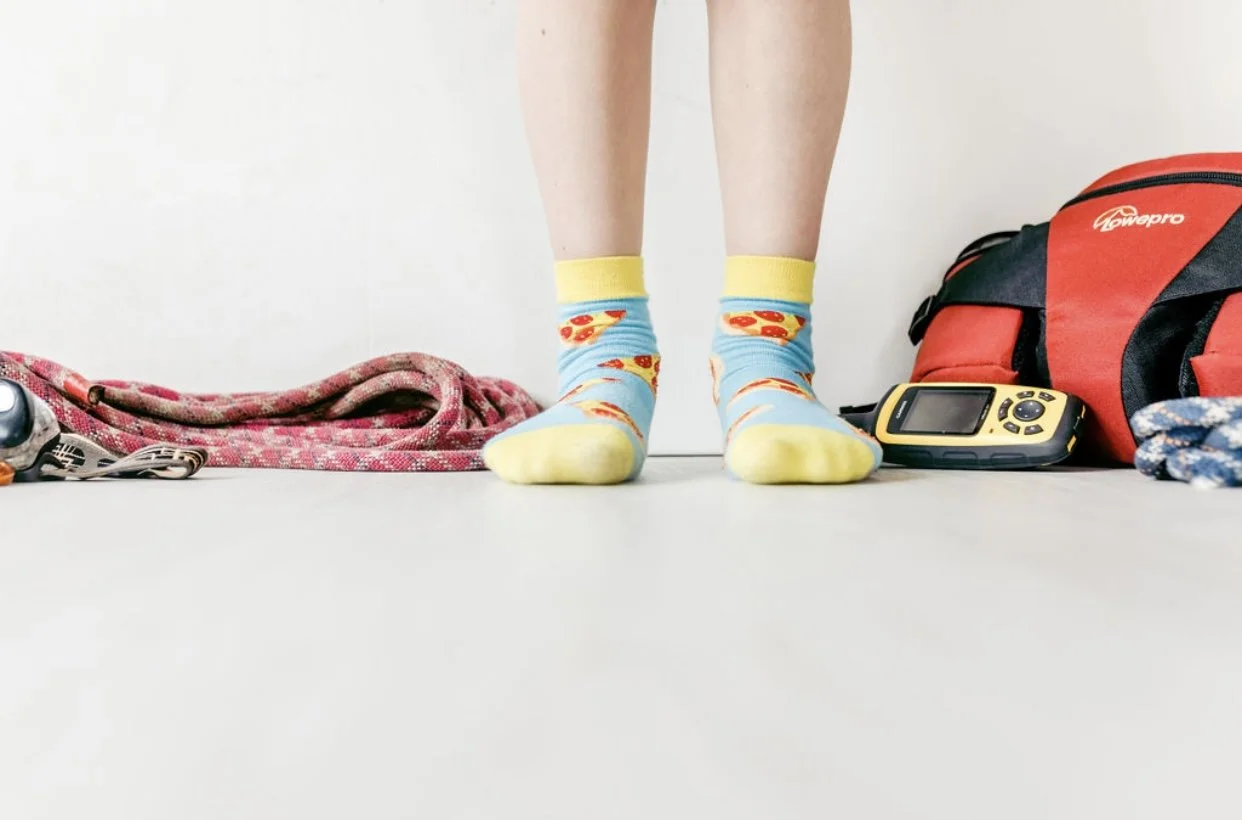
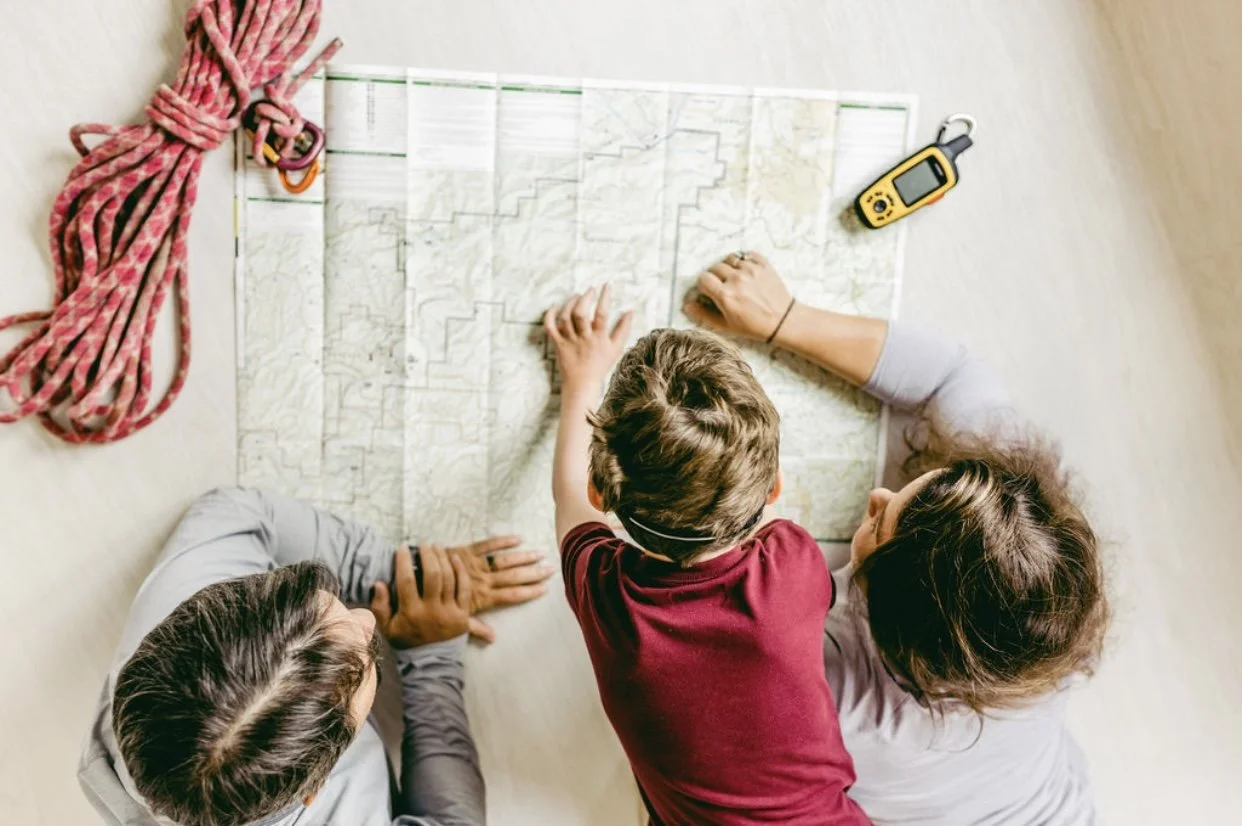
Which electronics are you grabbing - or leaving - on your way out?
This post contains affiliate links. If you buy through our links, we earn a small commission at no extra cost to you. Thank you!
For many, going outdoors is about leaving it all behind - well, almost all of it. I do take my phone, a flashlight or headlamp, my watch, and, depending on the location and duration, the Garmin inReach Mini. The great thing is that you can feel disconnected even while carrying a few electronics, because the last thing a lot of us want is to be mentally dragged back into the high-speed, always-connected world of modern society. I don’t want notifications, beeps, dings, and chimes. I care what’s happening — but this time is for me to let my mind settle and focus on the path ahead.
But…
I don’t want to get lost while checking out a new trail. I love taking landscape and nature photographs. I don’t want to be late for dinner. I can’t see in the dark if I get a little too far from the trailhead before turning back. And I don’t want Search and Rescue sent out just because I decided to have a quiet moment (or a couple of hours) of contemplation beside a babbling brook - while a loved one panicked because I didn’t answer a text immediately.
So yeah, I stay minimally connected when I’m disconnecting. The trick is to let it make you feel more comfortable and free to roam, not more chained down. Here are the electronics I carry to stay responsibly disconnected when I head out.
Phone. I keep my phone on me because it’s one of the best multi-tools out there. It takes pictures, tracks my hike on a map (even in airplane mode), helps me get back to the car, and has a built-in flashlight if I need one. If I want to know what a particular tree, bird, or flower is, the answer is right at my fingertips. I use it to grow my curiosity and learn about the world around me - not to scroll through whatever app is open - and that’s the key.
Apps. Trail apps like AllTrails and Trailforks are perfect examples: download maps at home and use them off-grid in airplane mode to stay headed the right direction, or to mark where you saw that amazing bird nest to check out later.
Lights. I have a love of flashlights: headlamps, handhelds, you name it. I keep both in my vehicle, since they’re easy to carry and recharge via USB, so they’re always ready to go. A tiny handheld like the Anker Bolder LC40 is a favorite to grab even when the sun’s out, and it can easily run all night. For a headlamp, the BioLite HeadLamp 200 is a great one to keep in the car. Both fit easily in a pocket and are priceless when you need them: lightweight, big light output, very packable… two thumbs up.
Watch. I wear a smartwatch. It tracks workouts, steps, heart rate, and tells the time. So why leave it at home? Keeping track of the time helps you get back to the trailhead when you said you would (which keeps you out of trouble with your spouse or partner), and all the other useful info is a bonus.
Communicator. The outlier here is the Garmin inReach Mini (or Garmin’s whole line of inReach devices), a satellite communicator that can also track your location. It’s small, simple to use, and can be the best tool you have if you or someone else gets hurt. It also lets a loved one know you’re just fine, so they don’t call Search and Rescue just to check on you. They can track your location even when you’re way, WAY off-grid, like middle-of-the-ocean or top-of-a-mountain off-grid. You can get weather updates or call for emergency services if you need it… or, more likely, if someone else does. It’s so small and unobtrusive you’ll forget it’s there, until the moment you need it. (We wrote a full review of the Garmin inReach devices, too.)
Now get out there and enjoy the wilderness. Walk, run, hike, bike, or just sit and look out over a beautiful view while enjoying a perfect breeze. With these tips, you can have all that and still make it home for dinner.
Review: Mad Rock Mountain Mama Maternity Climbing Harness (UPDATED)
A throwback review of Mad Rock’s Mountain Mama maternity climbing harness — real-world comfort, fit, and adjustment tips for climbing through pregnancy, plus a 2026 update on alternatives.
Still rockin’ it - with limits and safe gear!
This is a throwback review from 2014, originally from our old blog. It was well-received, so we’re keeping it here. This post contains affiliate links — if you buy through them, we earn a small commission that helps fund our work.
UPDATE: A lot has changed since this first aired in 2014. Skip to the end for the newest info on this (and another) maternity climbing harness.
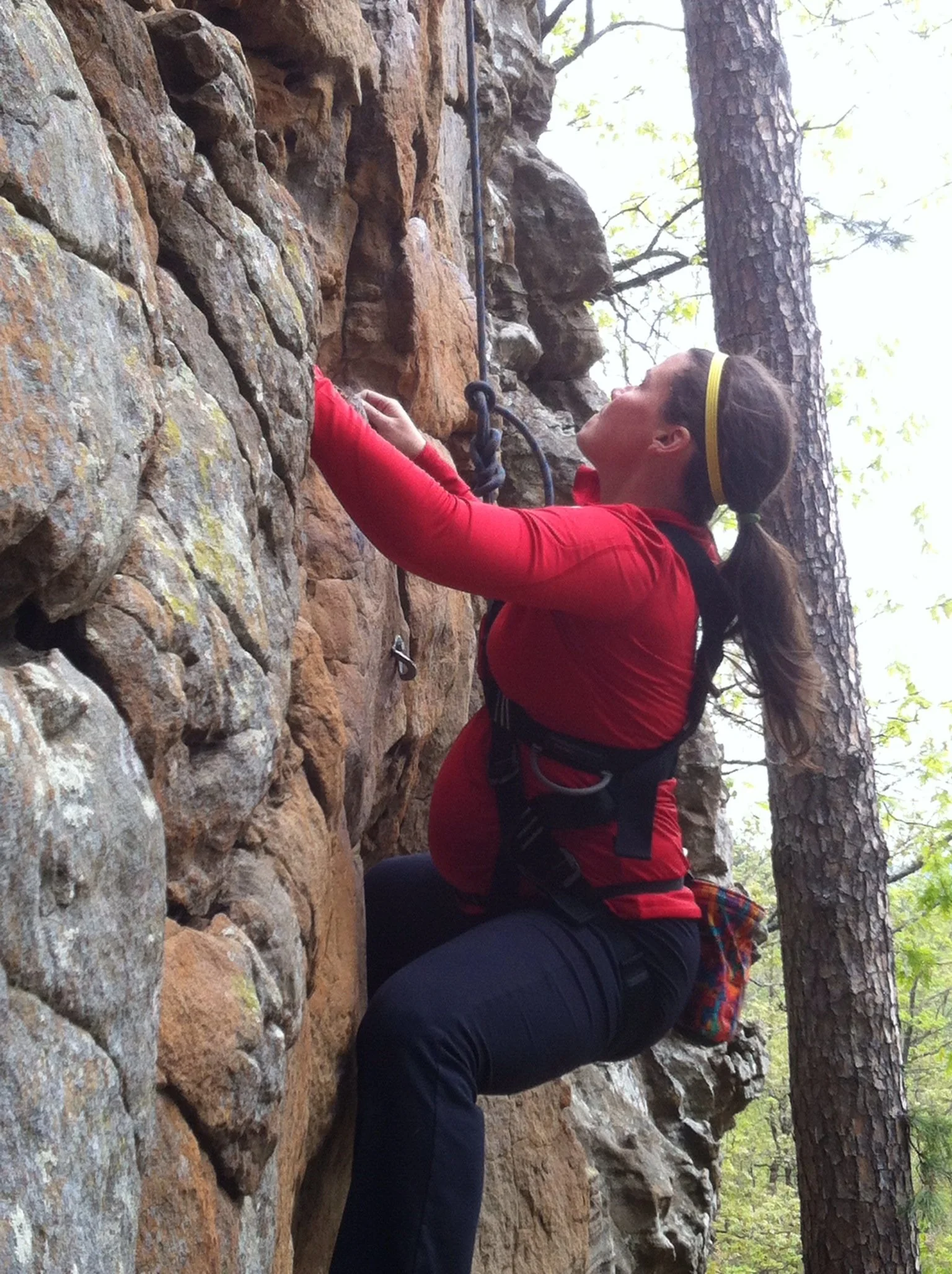
The Arkansas Climbing Coalition holds a bouldering competition at Horseshoe Canyon Ranch, near Ponca, Arkansas, every year. Great turnout, beautiful weather, and tasty BBQ — you just can’t lose. It was the perfect chance to put the new Mad Rock Mountain Mama maternity harness to the test and usher in the third trimester with a little top-rope climbing.
At 28 weeks pregnant, and knowing a little harness adaptation would help everyone involved, I was ready to go. Holding the webbing up by the shoulders, the shape made sense and it was easy to see how it’s worn — leg, leg, arm, arm, done. The women in our group were enthusiastic; the men were encouraging but a little leery (“why not just take a few months off?”).
The price point of about $120 is very reasonable given the specialty design and extra material. The webbing is wide and comfortable, with no cutting in. My biggest tip: take plenty of time to adjust the straps — it’s going to feel different. Make the obvious adjustments, then fine-tune, because half an inch makes a real difference. Being anchored from the chest is a very different sensation than from the pelvis, so I spent time hanging on belay to get used to it and dial in the fit. (A DIY belt-style chalk bag works just fine.)
At roughly six months, I climbed up to a 5.8. Everything stayed in place, felt secure, and the materials and seams are high quality. Coming down, there was a moment where my belly felt ever so slightly pinched between the two side webs — and “pinched” is too strong a word; more fine-tuning would likely fix it. After a while I stopped noticing the chest tie-in entirely. It just felt good to climb.
The bottom line: the Mountain Mama is big on adjustability and simple on features — but what more do you need to get on a wall and feel good doing it? I’m secure, mobile, and Kiddo isn’t being smashed by a belt. For pregnant climbers who want to keep up their chalky pursuits, I definitely recommend giving it a try.
UPDATE (2026): Yes, we’re still talking about this harness. I mean, you’re here because you’re still hearing about it and searching for it. I emailed with the nice folks at Mad Rock a couple of years ago when I heard through the grapevine that they were working on bringing their maternity harness back to life - I wanted to get hands-on with it as soon as it was out so I could give you all the newest update! Alas, I haven’t heard anything since and it’s not for lack of trying.
The Mad Rock Maternity Harness isn’t available right now — a huge bummer. A great and very similar alternative is the Petzl full-body harness,* which has excellent reviews. I’d actually love to try it with the disabled community in mind, too: for some people, a full-body harness can feel more secure and comfortable than a traditional belt-style one.
Please note: while we love adventure, climbing while pregnant may not be for everyone. Talk with your doctor before taking on any activity during pregnancy. You do this at your own risk, and our review isn’t responsible for your decisions. Thank you for understanding.
*This is an affiliate link. If you make a purchase through our link we make a small commission at no extra cost to you. We only recommend and link gear that we also like.
20+ Essential Items for Your New RV
Just brought home a new RV or camper? Here are 20+ essentials — from tire blocks, water hoses, and a surge protector to nesting cookware and black-tank pods — that make your first trips smoother, plus our tips for not overpacking.
This post contains affiliate links. If you buy through our links, we earn a small commission at no extra cost to you. Thank you!
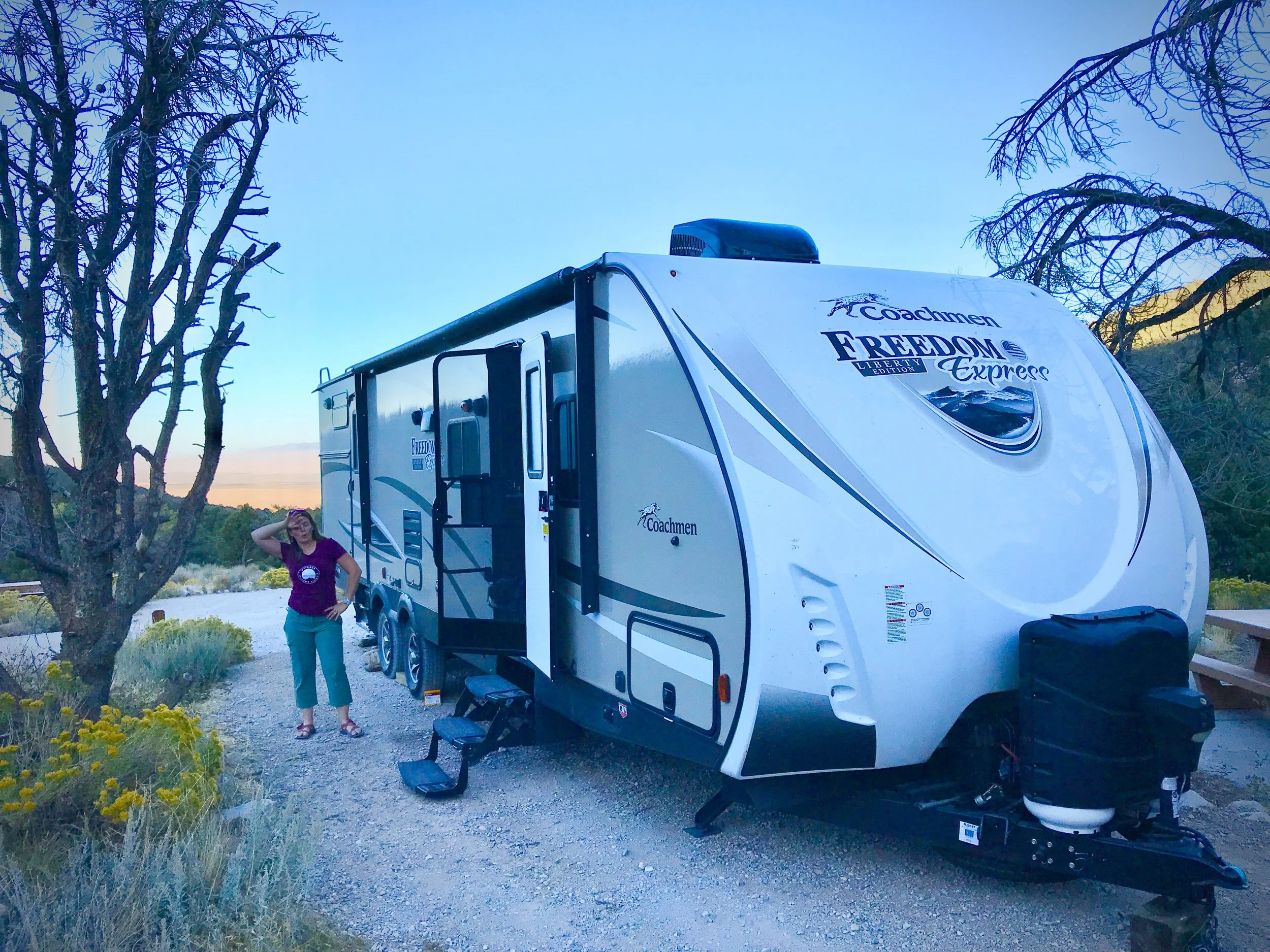
You just got home with your new RV, and now you’re wondering about all the items you should add — but not too many! — to be officially set up for your first camping trip. It can be a little overwhelming to realize that outfitting an RV or camper is a lot like outfitting a new home. Rest assured, though: you don’t need nearly as much “stuff” in your RV as you have in your house. Better yet, a great goal is to lean toward the minimalist side.
We do our best to pack a week in advance, and then we sit with it. That may sound strange, but it gives us time — as we stock the fridge and put clothes away — to admit that we don’t need four seasons of clothing and 25 books for a week-long trip. In fact, we keep a laundry basket on the sofa that, little by little, gets loaded with the items we’ve changed our minds about, and those go back into the house before we leave. It helps with both weight and clutter.
With our tendency to overpack acknowledged from the start, here are 20 items that have become essential from the moment we take off — plus a few bonuses.
Tire blocks. No one wants to roll away just as they’re getting ready to make dinner.
Drinking-water-safe hose. Always bring your own and keep it clean — this is where the water you drink, cook with, and bathe in travels.
Adjustable water pressure regulator. This small gadget saves us from big headaches when a campground’s water pressure is too forceful for typical plumbing.
In-line water filter. This sits between the spigot and your drinking-water hose. It keeps most particulate out of your RV lines and improves the taste.
Disposable gloves. Because handling the sewer hose isn’t always an art form.
A separate rinse hose (not drinking-water safe). This one hooks to your black-tank cleaning port. Just to be safe, keep it separate.
Surge protector (30-amp, or 50-amp if your rig requires it). RVs have a lot of electronics and appliances these days — not to mention the ones you bring — so protect them from unexpected power surges.
Rechargeable LED flashlight. At some point you’ll want to go outside at night to check on something, and a good light (with rechargeable batteries to cut waste) is just a good idea.
Welcome mat. This might not seem essential until your first rain. As you track in sand, mud, and leaves, you’ll think back to this list and say, “ah, I get it.”
Nesting pots and pans. “Nesting” is key. The first time we traveled, we just grabbed pots and pans from the home kitchen. Nesting sets saved weight and precious space we could then use for other kitchen items.
Unbreakable dinner plates. “Unbreakable” is key here. Melamine is a great option, and we also love reusable wheat-straw plates that act like plastic but are earth-friendlier.
Ceramic knife set. We like these so much we’re planning to replace our kitchen knives at home with them. They hold their edge incredibly well and won’t rust.
Flexible plastic cutting board. Talk about space-saving — we now use one at home, too. Easy to clean and can be stored anywhere.
Can opener. Yes. Because we’ve forgotten one before and spent a whole weekend opening cans with an old military-style survival opener.
Shelf and drawer liner. This goes with all the “unbreakable” items but adds another layer: things stay put on this non-slip, non-adhesive mat. It’s important in cabinets and on shelves, and we’ve even left a basket on a piece of liner on the counter — hundreds of miles later, it hadn’t moved.
Electric water kettle. We love our coffee, tea, and cocoa. Nearly-instant hot water in the morning — at the temperature you want, with auto shut-off — while you feed and walk pets and cook breakfast feels pretty luxurious. Ours is insulated, too, even when the dogs take their time.
Synthetic towel set. Damp, stinky towels are unpleasant, and in humid places it happens fast. Synthetic towels are still soft but dry quickly, so they avoid that stale smell.
Black-tank toilet pods. If you don’t use these, you’ll understand why people do after a couple of weeks. Black tanks get smelly with use, and these pods help.
Wine opener. We did say these are essentials, right? A screwdriver just isn’t the same.
Unbreakable wine and water glasses. See above.
And a few bonus items:
Small hand vacuum. Tracking in dirt is inevitable, spills happen, and indoor life is more compact in an RV. This little vacuum helps keep your sock bottoms clean.
Hanging laundry basket. Unless you have a washer/dryer on board, laundry has to be mobile. This basket stays out of the way and is easy to carry to the laundromat.
Reusable shopping bags. These become more multi-use than almost anything else in your RV: groceries, picnics, the post office, dirty things — it’s good to have spares.
First-aid kit. We always hope we never use it, but it’s nice to have a basic kit on hand. More often than not it’ll be a neighbor who needs a bandage, but at least you can help.
RV toilet paper. We all have a favorite brand, but things will… flow… better if you use paper that starts to break down while it sits in the tank. Think of it as a safeguard.
Did we miss anything in this round of essentials? What would you add for your travels?
23 Items to Take On Your First Bareboat Sailing Charter
Our packing list for your first bareboat charter in tropical waters — the small comfort, sun, hydration, and rainy-day items that save money and luggage space and make a week (or more) aboard far more enjoyable.
This post contains affiliate links. If you buy through our links, we earn a small commission at no extra cost to you. We only link products and services we use and trust. Thank you!
A well-prepared sailor is a happy sailor!
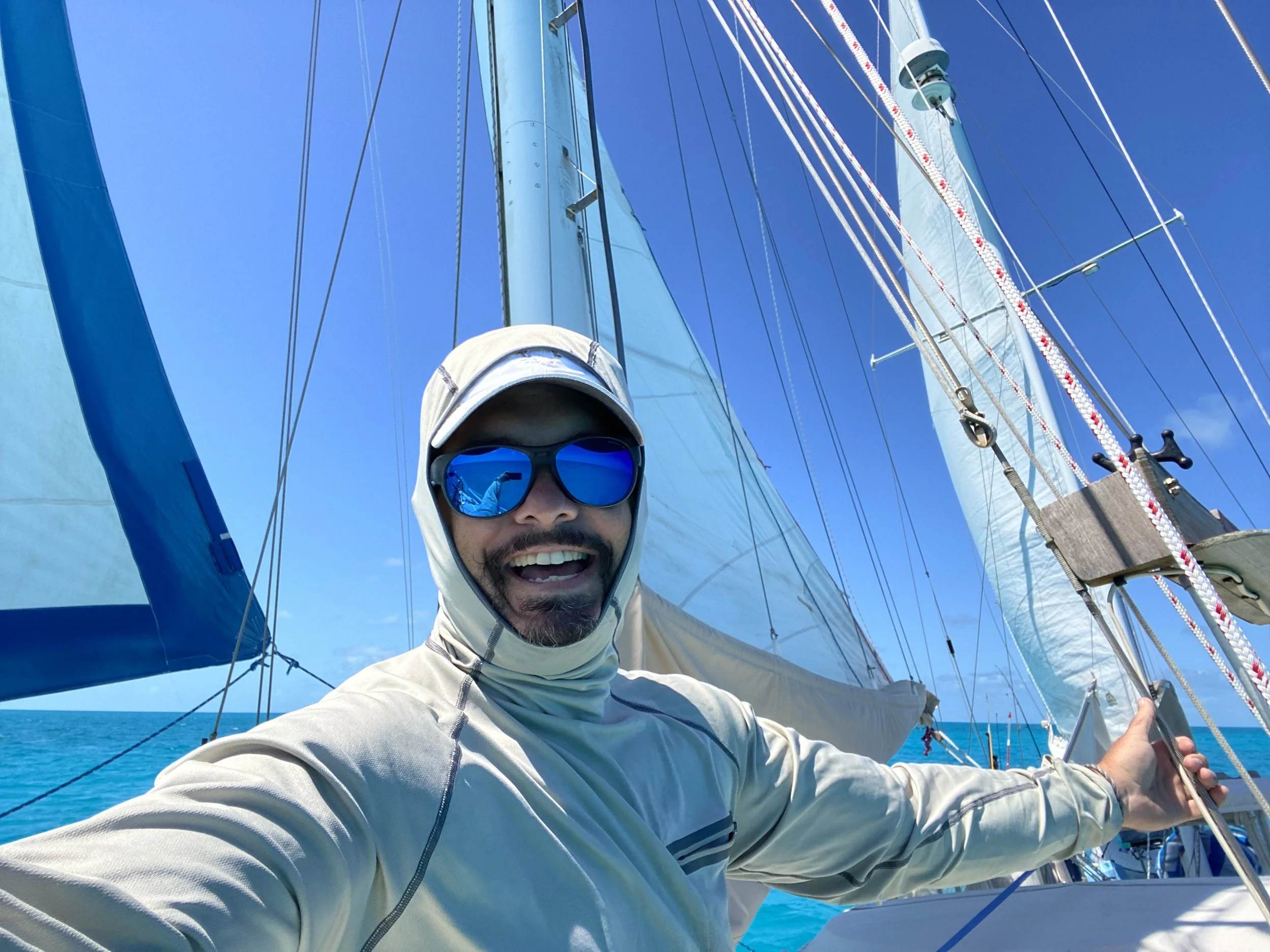
You’ve booked your first bareboat charter — that’s awesome! Now for the packing, and it can seem like there’s a lot to consider and to take. We’ve compiled a list of items for your trip, assuming you’re headed to tropical waters. Don’t worry: most of these are small, and planning now will save you money and space in your luggage.
Bareboat charter sailing has become a popular way for a small group to explore tropical places. It’s called “bareboat” because you’re hiring the yacht without a crew — that’s where you and your friends and family come in. These trips are normally booked by sailors with experience (though not everyone on board has to have any), and there’s also the option to add a skipper, a hostess, or a combination of the two.
The sailboat or catamaran typically comes fully loaded with sheets, towels, and kitchenware, but you’re responsible for provisioning food, beverages, and other personal items. Gear for fishing, diving, paddleboards, and more is sometimes negotiable for a price.
The big difference between a day sail — or even a weekend trip — and chartering a boat for a week or more is that you’ll be living and playing closer to the elements than you do at home. Sun, humidity, heat, rain, sand: they all become part of your daily movement, and a few comfort items will make the trip more enjoyable all around.
We’ve spent a lot of time on our boat in many different conditions, and here’s the list we pack to make our sailing adventures more comfortable and more fun. If you have room to bring these from the mainland, they’re much more affordable than buying them in the islands. Here we go.
Body/shower wipes. Fresh water is a limited commodity and showers become short. For getting by with a quick wipe-down after an easy day, a good body wipe (we like Yuni) is a lifesaver — and they smell great, too.
USB rechargeable fan. Many charter boats have air conditioning; some don’t. Even on a pleasant night, it’s nice to have some air movement in a humid environment. There are lots of small, travel-friendly options.
Travel towel. Microfiber towels hold many times their weight in water, dry quickly, pack very small, and don’t hold onto the musty smell as easily as cotton (OlimpiaFit is one option).
Reef-friendly sunscreen. A given any time you’re in a sunny locale — but choose a reef-safe option if you’re getting in the water. Sun Bum is easy to find, and many smaller companies make reef-friendly sunscreens now.
A sun shirt with sleeves and a hood. Check Title Nine or REI for great options, or any similar cover-up. Actually, make that two — even when you plan to live in a swimsuit, you’ll likely reach a point each day when you’re ready to give your skin a break from the sun’s intensity.
Motion-sickness medications and ginger treats. You just never know, and why suffer while hunting for these in a new place while feeling less than chipper? Dramamine, Meclizine, Bonine, acupressure wrist bands, or even a Scopolamine patch prescription from your doctor (if you tend to get seasick) are all options. The medications help prevent motion sickness; the ginger items help relieve symptoms if they occur.
Sunglasses — maybe two pairs. Give your eyes a break. (Backcountry has a great variety and good deals.)
Hydration tablets or powder. Something like single-serving Propel pouches or Nuun tablets to help you rehydrate on the really hot days. Water comes first, but you’re likely more active than usual in the tropical heat and humidity, and your body will crave that sodium, potassium, and magnesium — plus something besides plain water tastes good.
Lotion, after-sun moisturizer, and lip balm. You’re rehydrating on the inside; don’t forget the outside. No matter the humidity, sun and salt will start to dry your skin out, and adding wind makes a little daily self-care worthwhile.
A Buff and/or a hair clip. Speaking of humidity… your hair will take on a new level of freedom out here, especially with the wind. Keep it out of your eyes and off your neck — these also help avoid the dreaded, painful part-line sunburn.
A ball for your feet. Why, yes. This is purely a pamper item. If your feet have been in shoes and socks for months, transitioning to full-time sandals or barefoot onboard takes some getting used to. We keep a couple of tennis balls onboard to roll out our feet during that first sore week (a dedicated foot-massage set works, too).
A packable bag. We love our ChicoBags. We use them for everything: groceries, the shower house, the beach, souvenirs, laundry day. One packs down smaller than a baseball and hides in a purse or pocket.
A USB battery pack. Charters can charge the electronics you bring, but it’s nice to have a backup in case something doesn’t go as planned — which happens when you travel. With this small item, you stay adaptable.
Bug wipes. Mosquitoes are always a possibility, and no-see-ums are their aggravating little cousins. Lemon-eucalyptus spray is great, but if traveling with a liquid is tricky, OFF wipes work well.
Swimsuits — bring two. That could be two one-pieces, two bikinis, a combo, or one of those plus an alternate with more sun coverage like swim shorts and a long-sleeved rash guard. Plan not to get sunburned while snorkeling, but prepare for the chance that you do and still want to get in the water the next day.
A dry bag. Sea to Summit’s lightweight dry bags are our go-to. They pack small and keep things dry as a bone during the splashiest, rainiest dinghy rides.
A rain jacket. It happens. Depending on the season, you can almost time the brief daily shower — and a rain jacket is also a nice break from the wind when it feels cool. If a cold front rolls through, throw on an extra layer under your shell and you’ll be perfectly comfortable. Outdoor Research’s Helium series is affordable and very packable.
Body Glide. Lots of people have body parts that rub — thighs, underarms, and more. Body Glide helps them slip past each other without the friction that sweaty, humid conditions add. No more thigh rash in that cute skort, no more sore spots on the hike to the beach bar. Endurance athletes swear by it.
A hat. This could be a purchase on your trip — one of those nice, wide-brimmed straw hats would be lovely. Or something packable from Outdoor Research that tucks into small spaces and shades your face.
A sarong. Another option to buy on your trip. Sarongs are wonderfully versatile: a cover-up, something to sit on at the beach, a lightweight wrap-skirt, even a carry-all. If you’d rather come prepared, Back From Bali makes ethically produced ones through women- and family-owned businesses in Bali.
A headlamp. Anytime we travel out of the norm, we take a small headlamp (BioLite makes good ones). It’s nice for reading after the rest of the crew has gone to bed, and walking new streets at night is much easier with a little light.
Snacks. Pack ‘em if you’ve got ‘em! You’ll have plenty of chances to buy food, but if there’s a favorite chocolate you want to enjoy with a glass of wine one night under the stars, do it. Food and drink run higher out in the islands — it’s a necessary part of island life, and also an adventure in new culinary opportunities (try some guava treats!).
Bonus: a good book. Or a notebook and pen, a Sudoku book, or a pack of cards — how about a good story about sailing? Bring something to pass a quiet moment without electronics. Let your mind relax and enjoy the setting, the sounds, and the multi-sensory bath you’re getting to dip into without much distraction.
Throw in some clothing and a toothbrush and you’re nearly packed! How does our essentials list fit for you — is there something you’d add for your own sailing adventure? Fair winds and following seas on your journey!
Review: Deuter Kid Comfort Series Carrier
Our take on Deuter’s Kid Comfort carriers — the Venture, Active, Active SL, Kid Comfort, and Pro — with notes on fit, storage, the beefy load system (up to 48.5 lbs), warranty, and which ride suited our family best.
This post contains affiliate links. If you buy through our links, we earn a small commission at no extra cost to you. Thank you!
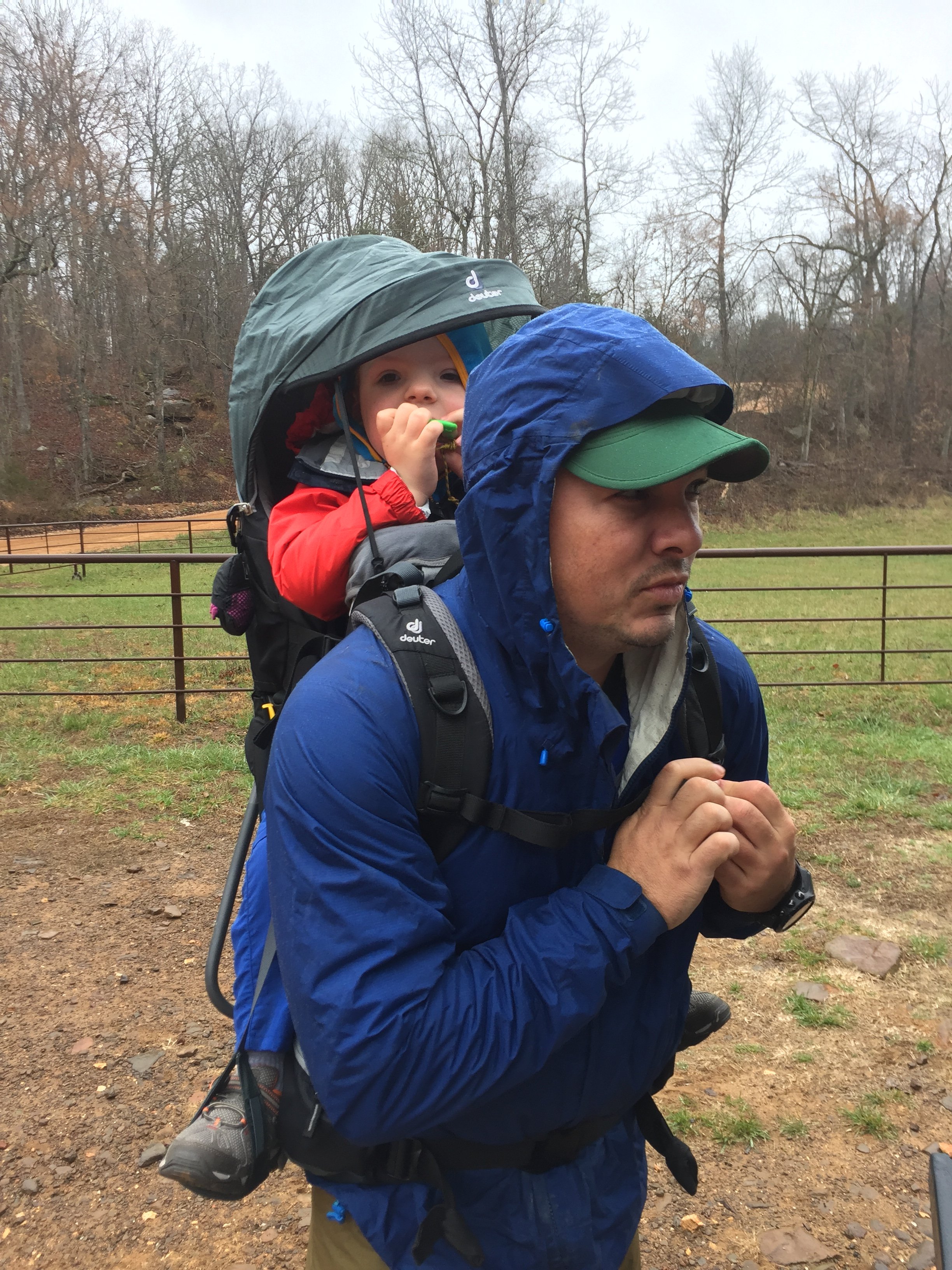
The Deuter Kid Comfort series was actually the second backpack carrier we tried in our toddler-hiking days. To be honest, it’s a strong contender for “favorite” — Matt preferred this Deuter while Cristen preferred the Osprey Poco (read about that one here) — but we were equally happy to carry either.
There are five versions within the series.
Kid Comfort Venture. This is their most basic pack, scaled to only the must-have features and at a lower price point. It gets the job done well, no complaints. It has the same hip belt and shoulder strap system as the other backpacks, but not the extra storage pockets and space you might want for longer or solo-with-the-kid treks. The sunshade can be added as an accessory.
Kid Comfort Active. This pack is actually a little lighter than the Venture, which is interesting. They start applying some better tech to the back with ventilation and adjustment abilities, and there’s a bit more storage. It’s a great option for not much more money over the Venture. The sunshade can be added as an accessory.
Kid Comfort Active SL. This is the Active pack, but sized for women. Not having tried this one directly, I’m not sure how I feel about it. Normally I’m all about women-specific gear, because we’re just built a little differently — but unless I knew I’d be the main person carrying the pack, I’d opt for the Active version that adjusts to fit a variety of people comfortably. For much shorter torsos, though, this could be a great option.
Kid Comfort. This pack has all the features of the Active version, but starts to beef up the comfort and add more pockets and storage. The biggest difference is that your little passenger gets a much cushier ride with the squishy pad in front. That can make a real difference for your child: as we hiked with The Dude in a backpack, he’d almost always fall asleep, and having this pad gave him support and a comfortable position no matter what the trail was like under mom or dad’s feet. The sunshade comes standard.
Kid Comfort Pro. This is the big dog of the fleet. It’s slightly heavier, but it adds the most storage for longer hikes, including a detachable daypack. That might not seem like much, but if you’re base-camping and making short, toddler-friendly “feature” hikes, the daypack is a nice bonus when you don’t want to carry the whole rig. It’s the coziest ride for the kiddo with a taller back and headrest, and it has space for a water bladder. Of course, the sunshade comes standard.
Each of these has the standard aluminum kickstand, so you can reach back, pop it into position, and set the backpack down safely on the ground without it toppling or having to keep a hand on it.
Our experience with the Deuter Kid Comfort Pro was that it somehow felt more heavy-duty than the Osprey Poco Plus. Heavy-duty wasn’t essential for his youngest years in a carrier, but this was the pack we reached for when our son was bigger and heavier and we needed a really beefy hip belt and load system. It did the job — we were able to carry him (plus gear) up to the pack’s max load of 48.5 lbs / 22 kg.
As for warranty, Deuter warrants its products against defects in materials and workmanship for the lifetime of the product (this doesn’t cover damage from extreme use, improper care, or the natural breakdown of material over time). If a product is deemed defective, Deuter will repair or replace it, and for damage not covered under warranty, they offer repair services calculated at the time of evaluation. As with any warranty, there’s some gray area around what counts as “extreme” or “natural,” so I’ll let you decide on that — but we’re very glad they offer repair services. Check Deuter’s site for the current, exact terms.
Deuter has been around since 1898, proudly making adventure gear for all manner of pursuits. They’re also quite committed to the planet and have been a bluesign system partner since 2008.
Finally, when your child has outgrown the carriers, Deuter offers comfortable, adventure-ready backpacks for them to get excited about carrying all by themselves.
Review: Osprey Poco Series Kid Carrier Backpacks
Our years-long take on the Osprey Poco family of kid carriers — the LT, Poco, and Poco Plus — covering fit, comfort, features, the 7-year guarantee, and how it doubled as our stroller on the trail and on the go.
This post contains affiliate links. If you buy through our links, we earn a small commission at no extra cost to you. Thank you!
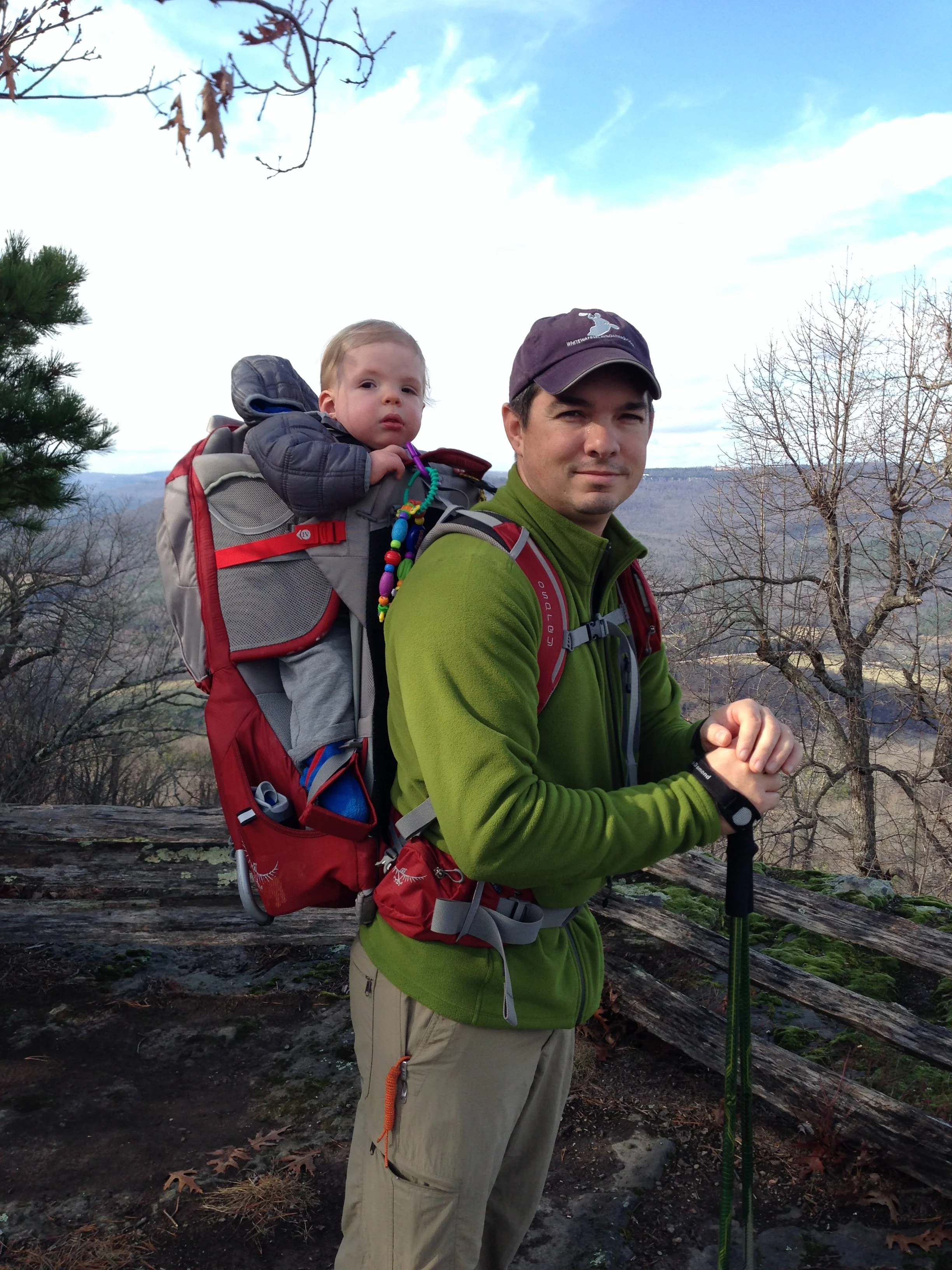
When it comes to longer-ranging kid carrier backpacks, it’s hard to beat the Osprey Poco family of packs. The Osprey Poco Plus was one of the main items on our “desired” list, and I’m going to tell you why. As soon as our son was big enough — and his neck muscles strong enough — to sit in this pack, we were adjusting and fitting it to him to head out on hikes.
First, let’s talk about our reasons for this pack, then we’ll get into features. I had a sling and a front baby carrier to begin. They were wonderful when The Dude was teeny tiny, but as he grew, so did my back discomfort. I was already toting more weight on my chest than usual (cough, cough…), and adding another front-focused carrier just added to posture strain and muscle aches. For short periods — say, going to a farmer’s market — these worked fine.
Once he was big enough for the Poco carrier, though, there was no looking back. We were never fans of strollers, for many reasons, and we wanted something multi-use, regardless of where we were or what we were doing (you’ll see that’s a theme with us). So while we used the Poco for hiking and backpacking, we also used it in place of a stroller when we traveled: on the beach, in shops, through historical sites, you name it. We can’t even count how many times people stopped — even pulling their cars over — to ask what the backpack was because they wanted to find one.
Let’s talk about the Poco features and pros.
It’s adjustable for everyone. Both of us could use the same carrier, adjusting the torso length, shoulder straps, and hip belt to fit (Cristen’s 5’6”, Matt is just under 6’). It’s also very adjustable for the kiddo riding along, with foot stirrups and shoulder straps for them, too. When he was very little, we’d tuck a small blanket or stuffed animal around him to fill the space and create a comfier ride. The seat and straps also adjust for your child as they grow, accommodating a range of ages and sizes. From six months to three years old, this was a necessity in our gear packing — we were all sad when it was outgrown.
It’s lightweight. There are three options in the Poco family: Poco LT (lightweight), Poco, and Poco Plus. I’d look at Osprey’s site to compare the three and see what fits your needs best. Each has a different price point and is geared toward different levels of use — the LT is lighter, but the suspension system for back support is a bit heavier-duty in the Poco and Poco Plus. One note: take their Trip Length (Volume) measure with a grain of salt… it’s a kid carrier. Storage in the pockets is great compared to other carriers, but lacking compared to a standard multi-day backpack. If you’re backpacking with a baby or toddler, one person will focus on carrying the child and some essentials while the other carries most everything else. That’s just the nature of it.
Great warranty. Osprey has always been known for their “All Mighty Guarantee” — one of the reasons we look strongly at Osprey when we need a backpack. Wouldn’t you rather repair something that’s served you well than add to a landfill? The guarantee is adjusted a bit for their child carriers (safety standards necessitate different guidelines), yet it’s still quite generous: Osprey will repair any damage or defect for any reason free of charge during the first seven years from the date of manufacture, and if they can’t perform a functional repair, they’ll replace it. Check Osprey’s site for the current, exact terms.
Longevity. Did you catch that seven-year guarantee? Seven years, on a product that’s typically heavily used and still has life in it. When our boy outgrew the Poco, we gave it to friends having their first child. The thing is tough, hiked hundreds of miles with us, and still had more to give.
Special features. Some of this depends on which Poco you choose (these would all be on the Plus version): built-in sunshade, removable/washable drool pad, mesh side pockets for easy kid access, dual grab handles, external hydration sleeve, zippered hip-belt pockets for mom and dad, ventilated back panel, a collapsible kickstand (push it out for a stable base when you set the pack down, push it in to stay compact on the move), and lots of storage pockets.
Comfort. Truly, this thing is comfortable. The way it sits on your hips — just like your larger backpacks — distributes the weight off your shoulders and onto your lower body, so your center of gravity feels good and you’re not tempted to lean forward. You can hike miles and miles in this pack and still feel good at the end of the day. We strongly recommend hiking with trekking poles, because you have a baby strapped to your back and stumbles can happen.
Extras. Osprey also makes a rainfly for this pack that allows ventilation and visibility for your little one, plus a carrying case if you want to protect it as a checked bag on a flight.
Now, our limited list of cons.
It could be considered bulky. Yes and no. Compared to other backpack carriers, it’s no different, and we think it’s less intrusive than a stroller. Of course it’s not as small as a sling or front carrier, but your back will thank you for sacrificing the space in your car for the Poco.
It’s pricier than other carrier backpacks you might find at box stores or online. But those carriers aren’t going to have the kind of engineering Osprey has put into the Poco series. As always, find what works in your budget — but if you plan on using this carrier most of the time, try to find a Poco that fits you. You might even get lucky on one of the pre-owned or discount sites we talked about in our “8 Places to Save Money on Outdoor Gear” post. The other backpack carrier we’ve had experience with is the Deuter Kid Comfort series — read that review to compare!
The Osprey Poco Plus was our first child carrier backpack, so it stays dear to our hearts. We often think fondly of the long hikes we used to do with The Dude strapped in, singing along and asking to touch the trees as we strolled. Like many parents, we’re happy to see our boy growing strong enough to join us on his own two feet — but we have great memories of pulling the Poco out for a new adventure. Hopefully you’ll have the same experience if you decide this carrier is right for you. And when your kiddo is big enough to hike independently, have them help carry, too — Osprey makes a wide range of kid-sized backpacks for them to begin adventuring alongside you.
10 Diverse, Multi-Purpose Outdoor Gear Items We Love
Ten hard-working, multi-use gear items we reach for again and again — from Ferrosi pants and solar lanterns to a kid carrier, a good rain shell, and a do-everything tech blanket — that stretch a family gear budget.
This post contains affiliate links. If you buy through one of our recommended links, we earn a small commission at no extra cost to you. Thank you!
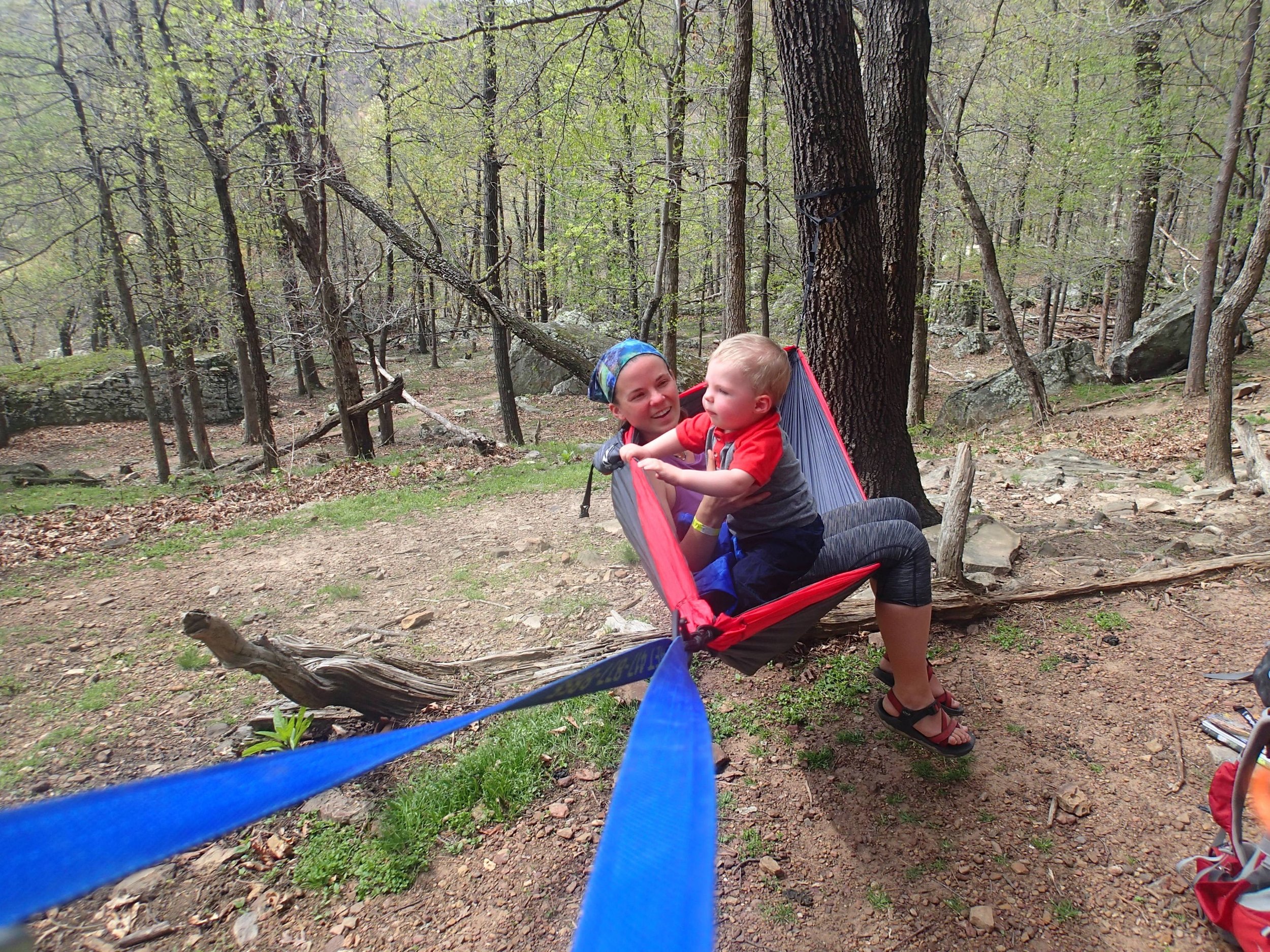
A hammock and a Buff can go a lot of places.
Let’s face it: outdoor gear can be pricey. But a piece of gear with long-lasting, timeless qualities evens out the expense over time — and that makes it a worthwhile purchase in our eyes. One way we spread out the cost is to look for items we can use lots of different ways, in lots of different settings. Whether we’re camping, sailing, or at home, here are ten of our favorite multi-purpose gear items and how we actually use them.
Outdoor Research Ferrosi Pants. Honestly, just about anything in the Ferrosi line stands up to the test. It’s a more technical pant with a water-resistant DWR finish that even handles some abrasion. Super flexible — they move with you on the crag or as you chase a toddler — and they still look great at work, dinner, or the brewery. I’ve had a pair for over six years.
Solar lanterns. Ours are inflatable MPOWERD-style lights, and they come with us almost everywhere. They’re compact, a full charge lasts up to 50 hours, and they double as a backup phone charger with several lighting modes. We use them as tent lights, picnic-table lights, nightlights, sailboat cockpit lights, and backyard-BBQ ambiance. Ours lasted nearly four years of hard use before the adhesive finally gave out — pretty good, considering.
Buffs. Headband, balaclava, sweatband, hair-tie, washcloth, and a dozen other uses. Such a simple thing to throw in a pocket or loop around your wrist and go.
Osprey Poco Series Kid Carrier Backpack. This one’s specific to a season of family life, but it covers so much ground we had to include it: backpack + stroller + baby sling + water carrier + sunshade + semi-high-chair. It adjusts to fit mom, dad, grandma, grandpa — anyone. Still doubtful? Go try one on at your nearest gear shop.
A good rain jacket. Ideally something GoreTex, because it works. A solid, well-priced example is the REI XeroDry GTX Jacket, available in men’s and women’s plus tall and plus sizes. A truly waterproof jacket becomes your go-to for both rain and wind, in any sport or setting.
A travel bed. We love the KidCo PeaPod Portable Travel Bed — basically a hoop tent that folds into itself and its own little bag. For us it was a bed, sun-and-insect protection, and playpen in one. We brought it to family gatherings as a secure place for The Dude to nap, and he had just as much fun filling it with toys.
Patagonia Capilene. Its original job is as a base layer, adding lightweight warmth under your mid-layer and shell — but it also looks good, washes easily, doesn’t wrinkle, travels well, and lasts forever. We run, relax, bike, and sail in it, layer it, and wear it as sun protection. There are options for the whole family, right down to the little ones.
A hammock. ENO (Eagles Nest Outfitters) is the well-known name, but we also love Kammok. Lightweight and packable, a hammock works for naps, a place to sit, a swing, part of your sleep system, or somewhere to bundle up while you wait your turn at the crag. With a few tricks it can even replace a tent and a camp chair — all you need is a couple of trees (or a tree and a post, or a vehicle and a tree).
A tech blanket. We’ve tried a bunch; Rumpl and Therm-a-Rest are two favorites. A tough blanket that won’t hold odors, washes easily, packs down small, and is surprisingly warm for its size. One blanket to rule them all: picnic groundcloth, diaper-changing pad, dog bed, RV comforter — and it just keeps going, plush and ready for more after a run through the washer.
We know this is a mishmash of gear, and the list could go on forever. It’s easy to justify a purchase but hard to decide what’s worth it on a budget — especially for a growing, changing family. Hopefully a few of these help you find what counts as “multi-purpose” for your own needs. Anything you’d add that we missed? We’d love to hear it.

(Podcast) Season 3, Episode 9 - Layering Basics: An Interview with Lawson Glidden of Minus33
Join us as we interview Lawson Glidden of Minus33, makers of soft, warm wool products of all kinds, as we talk about their business and the art of layering for cold weather.

Season 3, Episode 9. We've got a guest! Lawson Glidden — President of Minus33 Merino Wool — joins us for a deep dive into the world of layering. Minus33 is a family business out of New Hampshire with over a hundred years of textile history behind them, and Lawson knows his stuff. He walks us through why merino wool is such a game-changer as a base layer — it wicks moisture, regulates temperature, and (here's the big one) doesn't stink after a few days on the trail. We talk through their full product range — socks, base layers, mid-layers, shirts, hats — and Cristen and I share our own layering wins and fails over the years. This was actually Minus33's very first podcast appearance, which is pretty cool. Full disclosure: we're affiliates (not sponsored), so if you grab something through our links, we earn a small commission — but we genuinely love the gear.
(Podcast) Season 3, Episode 8 - Campsite Cooking for Every Type of Chef
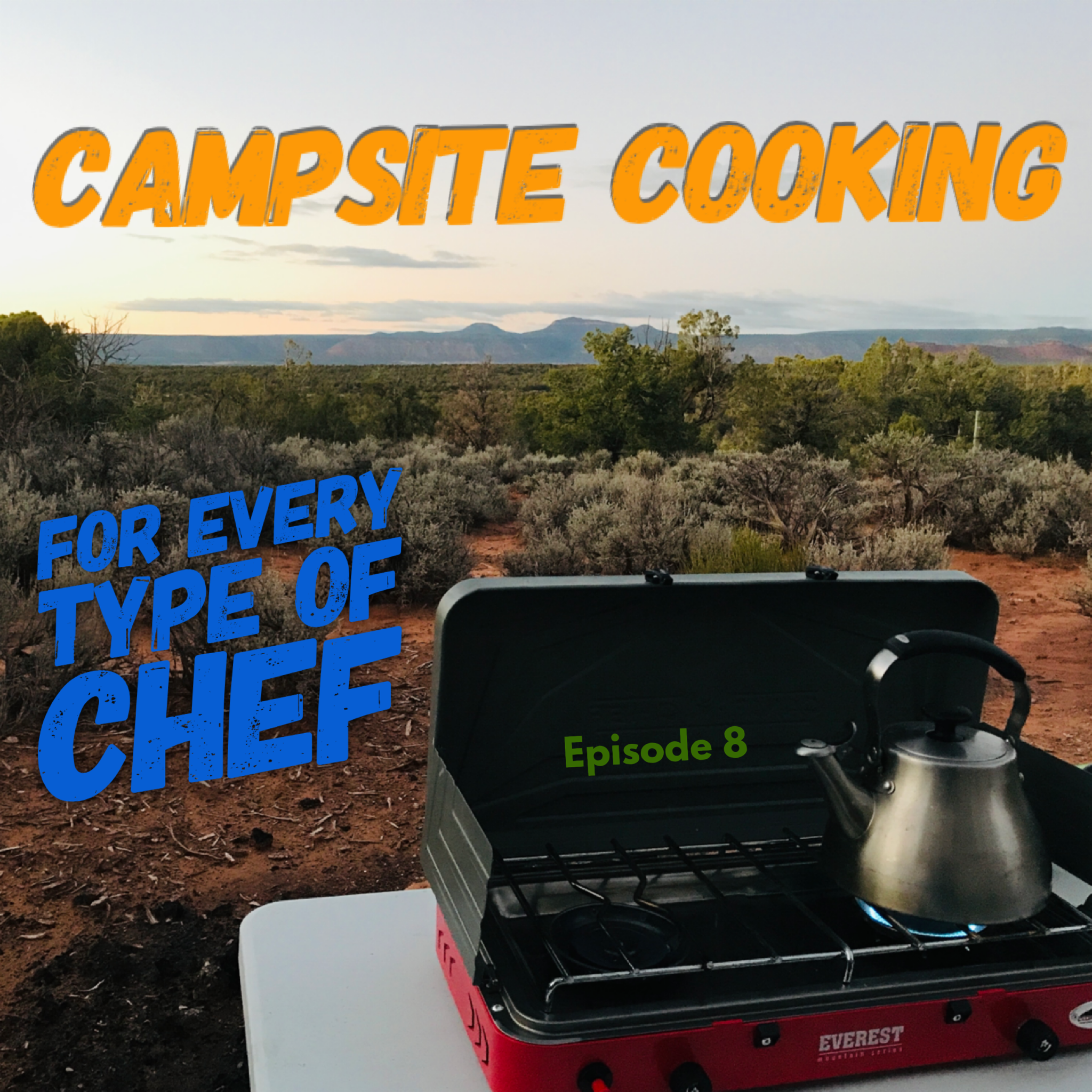
Cooking at the campsite for every kind of chef! What’s on your menu and how are you going to make it?
Season 3, Episode 8. Time to eat! This episode covers campsite cooking from one end of the spectrum to the other — we're talking everything from boiling water over a fire to full-on propane pizza ovens and gourmet meals under the stars. Cristen and I break it down by skill level, so whether you're the person who burns instant oatmeal (no judgment) or the one showing up with a cast iron skillet and a spice kit, there's something here for you. We swap some pretty good stories about campfire mishaps along the way — let's just say fire and cooking don't always cooperate the way you'd hope. We also get into the practical side: what setups make sense for car camping versus what you'd actually want to haul into the backcountry. Spoiler — the pizza oven stays at the car.
(Podcast) Season 3, Episode 6: Camping Sleep Systems
Sleeping systems: from full sleeping back to thermal blankets, sleeping pads of all kinds, and everything in between. Learn about the elements on sleeping systems so you can get a good night’s sleep anywhere you set up camp.
Season 3, Episode 6. Alright — so you've picked your campsite, you've got your tent set up, and now it's time to actually sleep. Easier said than done! This one's all about the sleep system — sleeping bags, sleeping pads, blankets, the works. We break down the differences between down and synthetic fills, inflatable versus foam pads, and how those temperature ratings actually work (spoiler: it's not as straightforward as you'd think). We get into the whole hammock-versus-ground-sleeping debate too — Cristen and I definitely have opinions on that one. We even pulled up the Spotify polling feature to see where you all land on the question. Whether you're car camping with the family or heading into the backcountry, getting your sleep setup dialed in makes all the difference. Check out the companion blog post over on keywordadventure.com for more gear details and our affiliate picks.
2021 “No-Box” Holiday Gift Guide
Outside-the-box holiday gifts for the adventurer who has enough “stuff” — experiences, repairs, coaching, memberships, a National Parks pass, bodywork, and more — all about giving time, connection, and flexibility.
Whether you’re reducing the amount of “stuff” you exchange with family and friends this year, you’re a last-minute shopper looking for something thoughtful for your active or outdoorsy loved one, or supply-chain wonkiness is affecting how you shop, thinking outside the box for holiday gifts can be tough. Time, money, and connection are the main things we’d all like more of, right? And it’s a very personal way to shop, since we each have different ideas about what that time, money, and connection can offer.
Here are some ideas for the intangible gifts we’ve shared over the years.
Plan and execute an excursion. Is there someone in your life who would love to get outside and do more, but doesn’t know how or never seems to have time to plan ahead? Be their guide. You take the lead on the activity, the where, the packing, the food, even the when — all they have to do is show up. That’s a huge relief to someone who’s raring to go but struggles to carve out the planning and packing time.
Repair something for them. Kayak have a gouge? Backpack zipper blowout? Puncture in the sleeping pad? A warranty issue on a favorite piece of gear? Help them out. If you can DIY the repair well (keyword: well), it’s easy. If you can’t, find a reputable person, price it, and get it done. For warranties, make the calls or write the emails we all put off, then package up the item and send it in so their gear is ready for the new season. Sometimes the gift is just managing the details.
Detail their car. Who wouldn’t love this? If you’re detail-oriented, spend a day loving on their car — one of the most expensive things a person buys — and make it look new for the New Year. We spend a lot of time in our vehicles; a thorough inside-and-out cleaning can genuinely improve that space and their outlook.
Gift certificates. Whatever anyone says, we love gift cards — especially when style, size, or bigger items (bikes, racks, etc.) are in limited supply. Give your loved one the gift of choice.
Training or coaching. Are they training, or wanting to get into ultrarunning, triathlon, weight training, or nutrition? If you (or they) know a great coach, gifting a first session or two — or a package if you can splurge — is a great step forward.
Online subscriptions and memberships. Think Masterclass, AloMoves, the Access Fund, American Whitewater, Strava, Outside+, and the like. We used to gift magazine subscriptions; these days everything’s digital, and those subscriptions add up. If there’s one your person has talked about but hasn’t pulled the trigger on, beat them to it.
Personal assistant for a day. “How can I help?” is often asked with little follow-through, or leaves the person wondering what to even ask for. Make it actionable: sit down and ask what’s on their plate. Would a day of housework be the biggest relief? Could you sort unopened emails, make phone calls, or handle client replies on social media? They have to be willing to hand over some control, but with that trust they’ll relish the relief.
National Parks pass. Making travel plans this year? A National Parks pass gets them into more than 2,000 federal recreation areas across the US — and chances are there’s a destination close to them, too.
Local flavors. A tour of the local scene is always appreciated: wine, beer, kombucha, chocolate, coffee, cheese, baked goods, crafts, honey, soaps and lotions. There’s such a wealth of talent and tastiness in most communities — you might be surprised by the gift basket you can put together.
Gait analysis or bodywork. Wanting to start running, fine-tune their stride, or recover from training? A gait analysis can reveal nuances that level up their running. And here’s my favorite: recovery matters even more than training, so treat them to a session with a favorite massage therapist, acupuncturist, or neuromuscular therapist. Massage is good for anyone, whatever their activity level.
Race, event, or course entry fee. Do they have their sights set on a race, conference, or event this year? Cover the entry fee and let them dive into getting ready — it’s something to look forward to, and hopefully you can get out there to cheer them on.
We hope this warms up some alternative gift ideas. While it’s fun to unwrap something (we have a Gear Gift Guide for that, too), the real magic is the time, connection, and flexibility to have these experiences or reach these goals — and it means a lot when someone supports their friends and family in those pursuits. Do you have any outside-of-the-box ideas to add? Happy holidays from Keyword Adventure!

2021 Gear Gift Guide
Our roundup of favorite outdoor gear that stood out during the year — from merino beanies and solar lanterns to sleeping pads, coffee gear, pet finds, and cozy winter picks — for stockings and under the tree.
This post contains affiliate links. If you buy through our links, we earn a small commission at no extra cost to you. Thank you!
Do your friends have the tie-down straps they need to get that tree home? Read on for more stocking-stuffer ideas.
A spectrum of our favorites, collected and coddled through the year: here’s our Gear Gift Guide. These are items that really stood out to us or made our adventures better in some way. If you’re looking for something that isn’t a tangible item wrapped in a box, check out our “No-Box” Holiday Gift Guide, too.
Minus 33 Midweight Merino Wool Beanie. We met these folks at the Outdoor Media Summit, and — wow — their merino is amazing. They brought these beanies as swag, and it’s the softest wool we’ve ever felt. Well-made, with a great family start-up story behind the company.
REI gift card. Such an easy, no-brainer gift. Write a heartfelt message and let them choose from the candy store of outdoor gear. (For the women in your life, a Title Nine gift card is a great option too.)
MPOWERD solar lanterns. We talked about these in our multi-purpose gear post, and they’re back for the holidays. They shrink, glow, float, clip on, travel, and self-charge by solar. Tent, backyard, boat, or elsewhere, these will light the way.
Sea to Summit hanging toiletry bag. This was given to us a couple of years ago, and Cristen commandeered it — she hasn’t looked back. It has a ton of storage for its compact size and lots of organization, from hotels to sailboats to campground showers.
Kammok Roo Double camping hammock. We love hammocks and take them everywhere. If you have an outdoor lover who hasn’t yet enjoyed the bliss (and usefulness) of a hammock, this is a great one to stick under the tree.
Rab Dispatch 50L duffel. This duffel will get you there — and get all the souvenirs back, too. It’s sharp-looking on the baggage carousel, has thickly padded shoulder straps for the trek to your hostel, and is heavy-duty and water-resistant.
Osprey Transporter bags. We’re thinking of their commuter-style, laptop-carrying bags for folks getting back to the office or telecommuting from home or the local coffee shop. Padded laptop and tablet pockets, tons of nooks for pens, notebooks, and cables, and comfy straps that cinch close if you’re riding a bike to work.
Therm-a-Rest NeoAir XLite sleeping pad. We touched on these in our podcast episode about camping sleep systems. Your sleeping pad can mean the difference between a night and a great night — and Therm-a-Rest has led the charge on pads for decades.
Thermacell MR300 portable mosquito repeller. Our caveat: we use this on our sailboat, anchored near mangroves along the Florida coast in spring. If that’s not endorsement enough, it’s the size of a flashlight, lays on any surface, and works.
AeroPress coffee maker. We drink plenty of coffee — if you’ve listened to the podcast, you know local coffee shops are one of our favorite things to seek out in new towns. Our brewing evolved from an electric maker to a pour-over until we found the AeroPress. Now we can make coffee or great espresso, and it packs tight and goes everywhere. We’ve added a reusable metal filter and a USB-rechargeable frother over time.
Hiker’s Brew sampler and an insulated mug. While we’re on coffee, let’s complete the kit. Hiker’s Brew focuses on sustainable coffee in a small, multi-use, compostable package that keeps it fresh for the trail — and it’s some of our favorite. Add a two-cup insulated mug (we don’t mess around in the morning) and you’re set.
A clip-on safety light. A small clip-on that glows or flashes — perfect for a late run or trick-or-treaters, but we love putting one on our dogs’ harnesses when we walk them at night in campgrounds or marinas, so others can see them coming.
Upcycled bicycle-tube jewelry. Delicate designs made from discarded bicycle inner tubes — weightless, waterproof, upcycled jewelry, hand-drawn and laser-cut. Earthy accessories with unique flair, for bike lovers and beyond.
Sea to Summit Stretch-Loc straps. These. Are. Amazing. In lengths from 12 to 30 inches, they secure almost anything — bikepacking gear, SUP paddles, even roof racks. Talk about multi-use; it never hurts to have a couple in a pinch.
Eddie Bauer Kids CirrusLite Down hooded jacket. It’s tough to buy solid (and necessary) gear for kids when they grow so fast, but cold weather is nothing to mess with. Eddie Bauer’s kids’ winter coats fill that gap, and the CirrusLite has become our son’s favorite. It doesn’t hurt the wallet either, and there are lots of colors.
Therm-a-Rest Stellar tech blanket. Packable, fast-drying, warm, and lightweight, this one made our multi-purpose gear list, too. You might think you have enough blankets at home — but we daresay this replaces at least three of them. It’s so nice, even our dogs try to steal it.
Ruffwear Knot-a-Hitch dog tether system. We can’t leave the pets out. Our tail-waggers go almost everywhere with us, but many places require leashes, and a campsite can become a tangled mess. String this between two trees, clip on the lead, and the pups can move around camp safely while you set up and make dinner.
A cat travel tent. We can’t leave out the cat, either — he travels with us too. He’s not cooperative on a leash, so we make his RV life as interesting as possible. Seeing tiny dome tents made for cats finally hit the market makes my heart happy; now your cat can have their own basecamp on the road or at home.
Stasher reusable silicone bags. Sick of disposable plastic bags? Reusable silicone bags are our go-to at home, at school, on the road, and in the boat. They save money and landfill space, wash easily, and are easy for little fingers to open and close. We use them for food, crayons, magnets, and small toys.
REI Multi-Towel Lite. Once, we had a water leak in a small space and grabbed the nearest towel — this one. It holds eight times its weight in water, wrings out nearly dry, and goes back for more. It’s also so soft it nearly feels like a blanket, whether you use it for camp showers, hair, the beach, or hot yoga.
Hydro Flask Cooler Cup. Our quick-grab item this summer. It looks like a metal koozy for a can, but it also switches into a cup for hot or cold drinks. Every trip to the lake or pool, we stuck a cold can inside and that refreshing temperature lasted much longer.
Zippo HeatBank 9s rechargeable hand warmer. A winter item. Many of us have used chemical heat packs that last eight hours and get tossed. Now there are USB-rechargeable hand warmers (and versions that run on lighter fluid). For anyone who wants to get out on winter trails or slopes, having one in a pocket warms you up fast on the chilliest days.
Minus 33 merino socks. Beanies for your feet. Like the head version, Minus 33 didn’t skimp on quality or softness, and the padding under the heels and toes really stands out — perfect on hikes or while staying cozy on the couch.
Outdoor Research Gripper sensor gloves. Grab these on the way out the door and your hands stay warm all the way to school or the office — and you can still scroll, text, and check email with them on. Windproof and water-resistant, too.
Outdoor Research Kids Adrenaline mitts. We can’t leave the kiddos out. The snowball-shaping palm seems made for snow, as do the insulation and waterproofing. A longer collar and two cinch points keep them where they belong and the elements out, so the adventure lasts. (At least two candy canes fit in each mitten, safely, when hung by the chimney with care.)
Buffs. We’ve always loved Buffs for hair control, sweat control, style, and function — and shaping one into a balaclava makes even more sense than it used to. Stick one in a stocking and your loved ones will stay stylish and warm on runs, rides, hikes, and while shoveling snow.
Nemo Moonlite reclining chair. Imagine enjoying a lunar eclipse or a summer meteor shower from a steady camp chair that reclines — or kicking your feet up at a backyard fire ring with friends. Nemo makes a very comfortable chair. Pair it with a warm blanket and a hot drink and you’ve got a cozy night ahead.
Nemo Helio pressure shower. We don’t talk about this one enough. If you kayak, SUP, sail, take pets on trails or water, get muddy or dusty, mountain bike, rock climb, or van-life and boondock — anywhere it’d be nice to rinse feet, face, hands, or body without running water — you’ll love adding this. Even with the stickiest sand or dust, the pressure behind the spray gets you, the kids, and the pets clean enough to feel great before a long drive or turning in.
Ruffwear Highlands dog sleeping bag. Our dog, Jack, believes his body was made for soft things. Like the cat tent, this may be indulgent, but it makes us smile — and makes the dog feel special with his own matching, squishy bed. He’s one of the pack, after all.
MyMedic medical kit. Update those first-aid kits and keep them ready for the backcountry. There’s a size and arrangement for every activity, from road trips to day hikes to expeditions.
We hope our Gear Gift Guide helps! It’s always fun to put together — both to help with your holiday shopping and to look back at the creativity the outdoor industry keeps coming up with to make getting outside more comfortable and fun. All the best in your gift gathering, and happy holidays from Keyword Adventure!
(Podcast) Let’s Talk Camping Tents
Season 3, Episode 3: let’s talk camping tents — tent advice, camp furniture, keeping bugs at bay, where to pitch (and hazards to avoid), organization tips, and dad jokes.
Season 3 Episode 3.
Grab a drink, sit back, and listen to Matt and Cristen talk about pitching a tent… Guess who wrote this? LOL.
In this episode, we talk about what has worked for us when we go camping: tent advice, camp-furniture favorites, keeping the bugs at bay, where to pitch your tent (and some hazards to avoid), organization tips, and dad jokes.
We hope you love this episode — and don’t forget to get out there and enjoy the outdoors as a family!
Gear we mention: the REI Kingdom 6 tent, an REI camp table, the Kelty Loveseat camp chair, bug sprays, and the Ruffwear Knot-a-Hitch dog run.