Review: Garmin inReach Devices
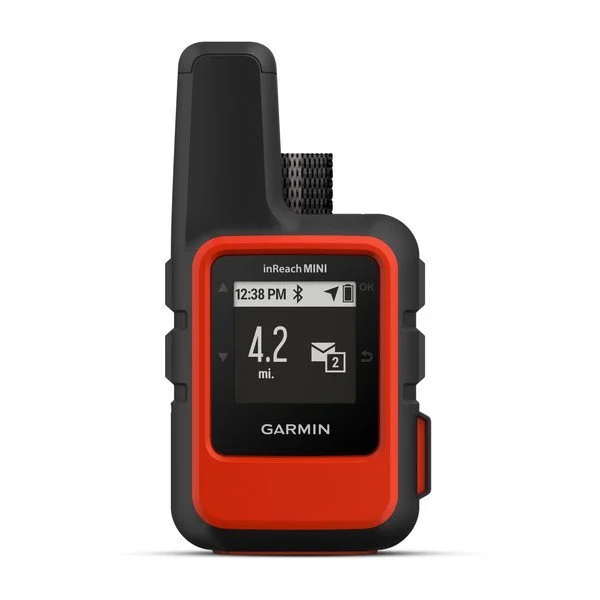
This little device - or one like it - could be a great addition to your time in the wilderness.
This post contains affiliate links. If you buy through our links, we earn a small commission at no extra cost to you. Thank you!
We've owned and used the Garmin inReach satellite communication system for several years now, and it's been a game changer for staying safely in touch while traveling in remote places. Straight from Garmin: with inReach satellite technology and an active subscription, you can send and receive messages, navigate your route, track and share your journey, and - if necessary - trigger an SOS to Garmin Response, a 24/7 staffed global emergency coordination center, over the worldwide Iridium satellite network. It's amazing.
It's now something we don't start an adventure without. We've used it many times (fortunately never to call for help), most often just setting up the tracker so family and friends can follow along and check in when we're otherwise unreachable: offshore, in the mountains, or on a remote gravel road in the woods. A few times we pulled weather forecasts while sailing, which was a real help when we were second-guessing conditions.
Think of it as a backup to your skills, preparation, and intuition: something that can help emergency personnel find you if things go very wrong, while giving your loved ones peace of mind when everything's going right. Cristen loves her solo adventures, and we all feel better when she heads out with her inReach Mini clipped to her hydration pack: safer for her, and we can see where the pedaling takes her.
Garmin keeps building inReach into more and more of their devices, which is great. Which one is right for you depends on your needs and what you do (and don't) want to carry — more features usually means more size and weight. Nothing is huge, but it's worth considering. We love the Mini for its small size and easy pairing with our phones via the app, which unlocks a lot of features. If you're shopping today, the compact end of the line has grown: the inReach Mini 2 is the lightweight standard, and the newer inReach Mini 3 Plus (announced late 2025) adds a color touchscreen, photo sharing, and even 30-second voice messages. Garmin also makes the pocket-friendly inReach Messenger and Messenger Plus if you want simple two-way messaging on a budget. And if you already wear a Garmin watch, inReach is now built right into some models like the fēnix and tactix — one less thing to clip on.
If you'd rather not carry a phone into the field, a rugged all-in-one unit like the Garmin Montana 700i or 750i — big touchscreen, onboard maps, inReach built in — might suit hikers and hunters better.
Not hiking or hunting? Garmin also makes inReach-equipped devices for boaters (with waterway charts) and even for aviation. The hard part isn't finding options — it's choosing just one.
Once you pick a device, you choose a subscription. Garmin refreshed its plans, and they now run from Enabled (the most basic — just keeps your device active at a low monthly cost) up through Essential, Standard, and Premium, which offers the fastest tracking and unlimited messaging. Plans can be billed month-to-month (pause or cancel when you're not using it) or annually for a lower rate. We leave ours running, because it doubles as a backup when a natural disaster takes out land-based communications: family in Florida have used it during hurricanes, we use it during tornado season in Missouri, and family in Oregon reached us during wildfires when cell towers were down. Not bad insurance — the basic plan starts at just a few dollars a month, and SOS is included on every plan. We keep it in our emergency kit even when we're not actively adventuring. (Garmin adjusts plan pricing from time to time, so check their site for the current rates before you sign up.)
We get a lot of questions about what we use for safety communication, and we hope this helps. Whether you want a great adventure communicator or a way to stay prepared when regular comms fail, Garmin inReach adds real peace of mind. Questions? Reach out anytime.