
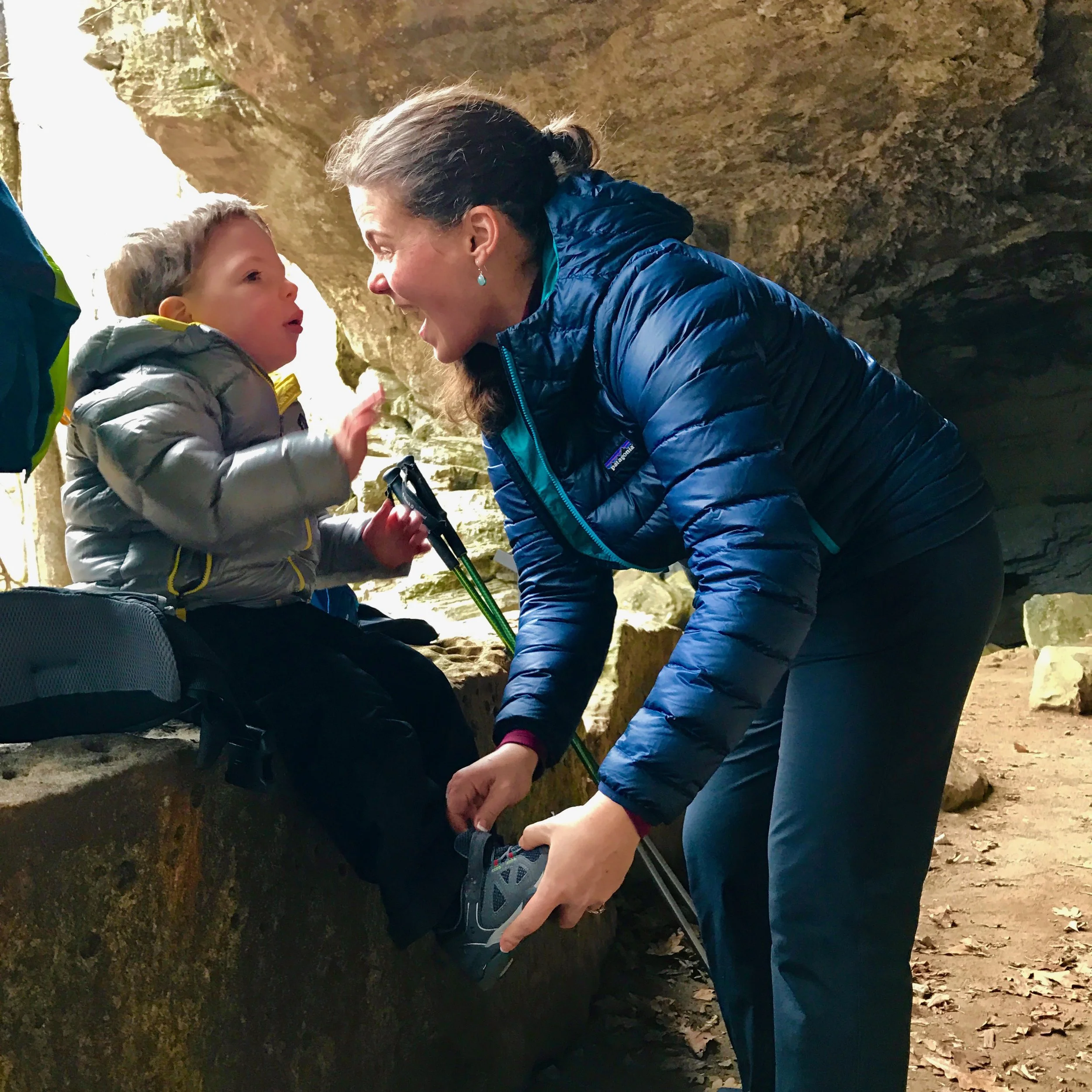
Gear That Just Fits: Sensory-Friendly Outdoor Clothing for Kids and Adults
Helping outdoor adventures feel accessible to everyone starts with making sure they can comfortably join us! While some adventures are as simple as neighborhood park visits or walking in the backyard, others take more preparation and that’s when clothing and gear begins to make a huge difference on the overall experience.
Sensory-friendly clothing and gear exists more than ever - this article covers what to keep in mind while shopping for sport-specific activities and sensory needs. Happy adventuring!
It happened again. I was standing in the kitchen when The Dude came around the corner with scissors in one hand and a vice grip on a tag stitched into the inside of the shirt he was wearing.
“Cut it off, please.” He didn’t even have to say it, though. I knew as soon as I saw the tool in-hand what the request would be. It’s not the first time and it won’t be the last. With a surgical precision and a concerned kid who didn’t want the shirt to be damaged (because he liked it except for that darn tag), it snipped the tag away.
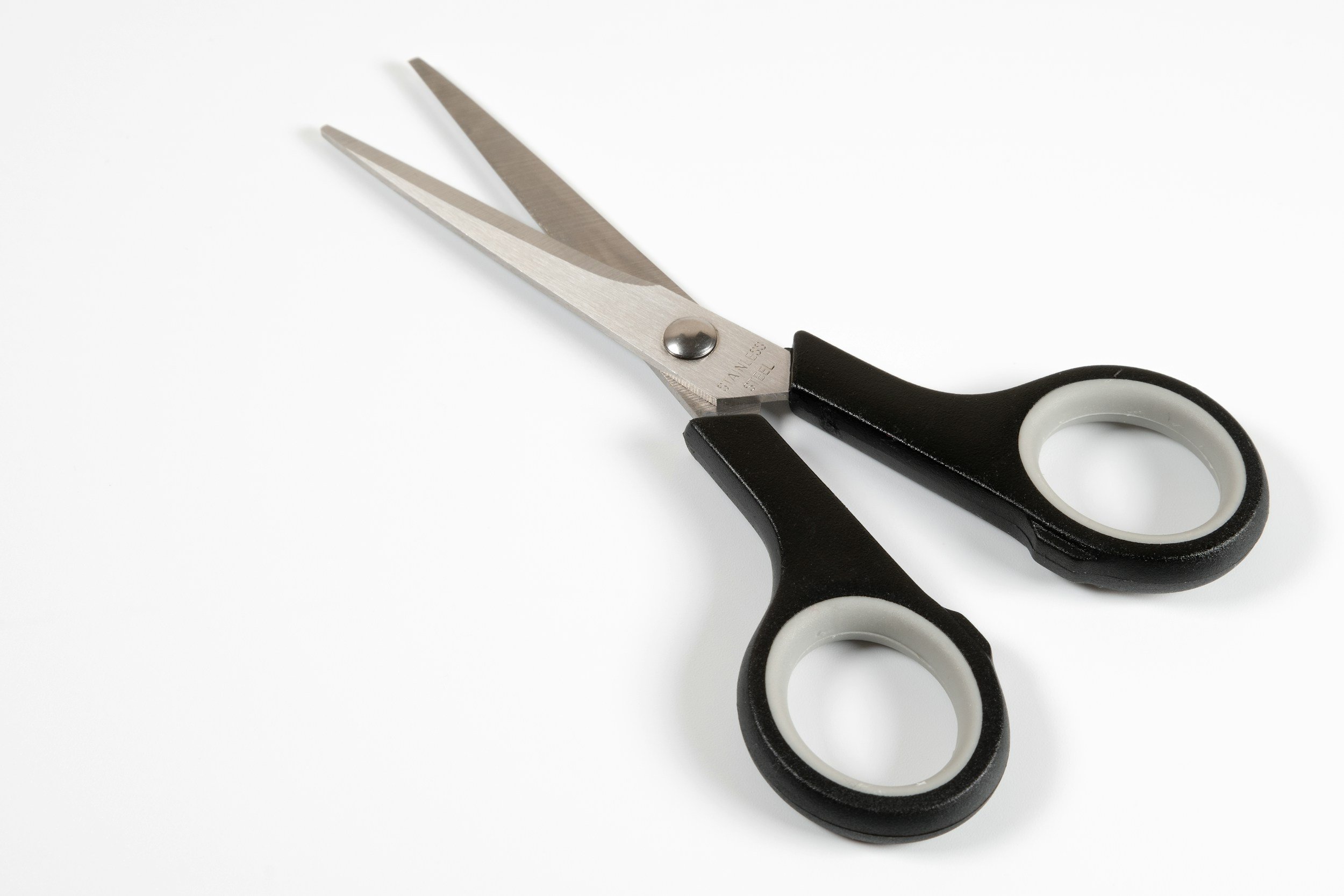
Get the scissors, for the love of all that’s scratchy…!
For a lot of us, the hardest part of getting outside isn’t the trail, the water, or the miles - it’s the getting dressed part. A scratchy tag, a seam pressing across the toes, a helmet strap that pressed around an ear in a weird way, a swimsuit that grips in all the wrong places: any one of these can end an adventure before it begins. And it isn’t only our kids. Plenty of adults quietly skip activities they’d otherwise love, simply because the gear is unbearable against their skin.
Sensory sensitivity shows up often in autistic and ADHD folks and in anyone living with Sensory Processing Disorder, but none of us needs a diagnosis to loathe a bad seam. The good news is that the outdoor and apparel worlds have caught up. There’s a real range of clothing now built to blend in the moment it goes on. Here’s what to look for, along with the brands and specific pieces worth knowing, organized around the activities we love.
What Actually Makes Clothing Sensory-Friendly
Before we get to brand names, it helps to know which features matter. When we can read a product page or feel a garment in a store, these are the green flags:
- Tagless or printed labels. Traditional neck and waistband tags are one of the top offenders. The best pieces print the care information directly onto the fabric so there’s nothing left to itch. If a tag does exist, look for one that’s been heat-pressed flat - or plan on carefully removing it.
- Flat, external, or seamless construction. Raised interior seams rub, especially at the shoulders, underarms, and toes. Sensory-focused brands use flatlock seams, move the seams to the outside of the garment, or knit pieces seamlessly so there’s no seam at all.
- Soft, breathable fabrics. Organic cotton, bamboo, modal, and Tencel are naturally smooth and gentle. Patagonia has Capilene, a silky synthetic fabric. Fine merino wool works beautifully too, and the trick there is fiber diameter. Anything under about 18.5 microns bends on contact with skin instead of poking it, which is why fine merino doesn’t feel like the itchy wool many of us remember from childhood (this still really depends on the person’s sensitivity level, though).
- Simple, gentle closures. Metal buttons, stiff zippers, and tight elastic can all be triggers or even challenges for people with finger dexterity or strength issues. Velcro, magnetic closures, encased soft waistbands, or no closure at all tend to go over much better.
- Solid colors and minimal print. Heavy screen-printed graphics and dye-stiffened patterns can feel rough, or just plain loud. Many sensory-sensitive kids prefer quiet, simple color schemes.
- Compression, when it helps. This one is a bonus rather than a requirement. Snug compression garments provide deep-pressure input that many may find genuinely calming and organizing, and they layer neatly under other outdoor gear. The opposite can also be true - again, it really depends on the person and trying options to see what works.
One note on fit: with swimwear and anything worn wet, buy snug. Suits loosen in the water, and a secure fit often feels safer and less fidgety, not more.
Trail Clothes and Base Layers for Hiking
Hiking is mostly a base-layer-and-socks game, which makes it the easiest activity to solve.
Socks come first and this is a big one. Seams across the toes can cause more discomfort than nearly anything else in the drawer. SmartKnitKIDS seamless socks are knit from the toe up with no seam at all, hug the foot so they don’t bunch, and wick moisture, which matters on a sweaty trail. For the kids (and adults) who genuinely hate socks, FLAT SOCKS take a different approach - a trimmable, no-show insert that sits inside the shoe, so feet feel bare but stay dry and blister-free.
Bamboo-blend sensory socks from CalmCare and Parker & Talia are another soft, moisture-wicking option. For cold-weather hikes, fine merino socks regulate temperature without the itch. Minus33, Darn Tough, and Smartwool all have versions of seamless or “virtually seamless” comfortable wool socks for kids and adults. They also last a long time.
For everyday tagless kids’ clothing, Primary is a fan favorite: solid colors, no logos, no scratchy graphics. Cat & Jack Adaptive at Target offers tagless, flat-seam, soft cotton-blend pieces at approachable prices, and Kickee Pants and Lucky & Me are both beloved for their buttery modal and bamboo blends. We’ve also had luck with Patagonia’s Capilene clothing over the years, though we do end up cutting the tag out of the side seam of the shirts many times.
When we need a little extra regulation on the trail, a compression base layer can take the edge off. Kozie Clothes (designed by a pediatric occupational therapist) and JettProof both make four-way-stretch compression shirts and undervests meant to be worn under a regular hiking shirt, with external stitching and stamped labels so there’s nothing rough on the inside. JettProof’s fabric wicks moisture too, which matters once we’re moving.
Adults, don’t skip yourselves here. Fine merino base layers from Smartwool or Meriwool are soft enough for next-to-skin wear (look for roughly 16.5 to 18.5 micron and OEKO-TEX certification). Tencel and silk are excellent smooth alternatives if wool isn’t your thing, and both JettProof and FLAT SOCKS make adult sizes.
On the Water: Paddling, Swimming, and Beach Days
Water gear is uniquely tricky. Wet fabric grips, mesh liners scratch, and everything feels more intense against the skin.
NoNetz was created by a mom whose son couldn’t tolerate standard swim trunks. Their suits skip the scratchy mesh liner entirely, use anti-chafe fabric inside, and place seams flat or on the outside. They make kids’ and adult sizes, and their designs are tested with the autistic community before they go into production. For sun protection and a feeling of security, a snug long-sleeve UPF rash guard works well - it gives that gentle all-over pressure many kids find reassuring, and it layers nicely under a paddling PFD. Target carries a sensory-friendly swimwear line too, with flat seams, no tags, and adaptive suits with easier closures. We’ve liked the silky liner inside of Eddie Bauer’s kids comfort liner swim shorts.
If our kids resist water on their faces, Frogglez goggles are worth a look. The soft fabric strap slides over the head without pulling hair, which is a common sticking point with traditional silicone straps. Water shoes are worth adding as well, to protect against rough launch sites, creek beds, and hot docks. That transition from land to water is so often where the sensory friction shows up.
Full wetsuits are a bigger ask. If we’re heading into colder paddling, size for a snug-but-not-crushing fit, look for flatlock or glued-and-blind-stitched seams rather than raised overlock seams, and consider a thin sensory-friendly rash guard underneath as a smooth barrier against the neoprene. Especially for kids whose bodies may have a harder time regulating temperature, a “shortie” wetsuit might be something to consider.
As a side note for days in the sun, a long-sleeved synthetic shirt or rash guard and a wide-brimmed hat can help reduce the amount of skin that requires sunscreen (if that’s an issue for you or your family member).
On Two Wheels
Biking adds a couple of wrinkles: the helmet and the seat.
The helmet can be a battle for some. A good sensory fit is snug enough that it doesn’t rock forward, back, or side to side, with a chin strap that holds without digging. Nutcase and Lazer both come up often for softer padding, adjustable systems, and smoother interiors. The removable pads inside most helmets are our friend here - we can swap or adjust them to fine-tune both the fit and the feel, and wash out the sweat that makes them scratchy over time. One classic occupational therapy trick for helmet resistance: desensitize the head first with gentle massage or vibration before the helmet goes on, and build up wear time gradually rather than all at once. Wear helmets around the house together as a family for a little while as a “silly” activity to take the newness away.
Padded cycling shorts are notorious for seam irritation, but can make a big difference on saddle soreness. A smooth compression base layer (Kozie or JettProof again) worn underneath creates a friction-free barrier. For kids who are still learning to ride, long sleeves and long pants both cushion the inevitable falls and, for many, simply feel more contained and secure than bare skin. Keep the same tagless, flat-seam rules in play for jerseys and tops, and remember that quiet solid colors usually beat loud graphic prints.
And if your kiddo or family member is ready for longer rides, consider Chamois Butter or something similar in those high-friction saddle areas so that they avoid too much soreness. We swear by that stuff!
A Few Shopping Tidbits Worth Keeping
Fabric tolerance is deeply personal. Even the softest merino bothers some of us, so introduce new textures gradually and watch the reaction rather than assuming a sensory-friendly label guarantees a win.
Let our kids have a say. Being able to choose the color or the style, even just between two solid options, turns getting dressed from a fight into a decision they own.
Buy from places with easy returns. Shopping online means we can’t feel the fabric first, so brands offering free, no-questions returns for surprise irritants (several sensory-focused makers do) are worth prioritizing.
And we can always go inside-out. For socks and simple tees, wearing a garment inside-out to escape an interior seam or a loose thread is a perfectly legitimate solution. With solid colors, nobody can tell!
Finally, we bring a set of “regular” clothes to change into when we’re back at the car (or camp). Whether we’re damp from water, weather, sweat, or its simply time to change sensations, we have the comfy clothes to change into and round out the end of the day’s adventure with feeling great in every way possible.
Getting outside should be about the time together, the experience, and the fun - not about a tag someone can’t stop thinking about. Gear now exists to make the outdoors genuinely comfortable for sensory-sensitive kids and adults alike. Sometimes inclusive outdoor access looks like a wide, well-graded trail. And sometimes it’s just a seamless sock.
Sometimes you just have to stop and adjust things for better comfort (and have a tasty snack).

Leave No Trace Principles for Your Family
Leave No Trace is a set of 7 principles of outdoor stewardship and ethics for your enjoyment in nature and for future generations’ continued appreciation of natural places. Here’s a quick overview for your family to learn the basics!

Leave No Trace for your enjoyment and for future generations.
I'm a Leave No Trace Trainer, and this ethic shows up in nearly everything we write here, usually in passing, or just as a given. Maybe we mention “packing it out,” staying on trail, or camping on intended, established sites. I've never actually given a formal overview, so here it is: the seven principles as I would tell them to a family new to this!
1. Plan Ahead and Prepare
This is the strategy and logistics that help us build a solid foundation to avoid or prevent most of the other problems. Know the regulations and special concerns for the location you’re visiting, check weather, pack appropriately, and travel in small groups when possible. A well-prepared trip creates less impact almost automatically, because prepared people make fewer panicked, high-impact decisions.
2. Travel and Camp on Durable Surfaces
Stick to established trails and designated campsites. Walking around a mud puddle instead of through it seems considerate, but it widens the trail over time and damages surrounding vegetation. In truly pristine backcountry areas (bushwhacking), spread out to avoid creating new social trails. In popular areas, concentrate use on already-established paths. The rule flips depending on how developed the area already is, which surprises people the first time they hear it. Remember: your boots were made to be muddy and they’ll recover if that’s the trail condition that day.
3. Dispose of Waste Properly
Pack it in, pack it out… including things like fruit peels, which are not native compostables everywhere and take much longer to break down than people assume. Seriously. That orange peel will be there for months. For human waste in the backcountry, that means either using a cathole dug 6-8 inches deep and at least 200 feet from water, trails, and campsites, or packing it out entirely where required (yes, this is a real requirement in some heavily used areas, and it's not as bad as it sounds with the right kit). Plan to pack out toilet paper regardless: a Ziploc bag in a non-see-through dry-bag, sealed up and clipped on the outside of a backpack is the way to go. Throw away the Ziploc when you get back to civilization.
4. Leave What You Find
Rocks, plants, artifacts, antlers: it can be hard, but leave them where they are. This one carries extra weight in places like Bears Ears, Mesa Verde, and Grand Staircase-Escalante, where "what you find" can include genuinely irreplaceable cultural artifacts and rock art that belong to the ongoing story of Indigenous nations, not to whoever picks them up first. And because of the Migratory Bird Act, you’re better off leaving those feathers alone, too - it’s a federal offense if the feather comes from a bird that’s protected.
5. Minimize Campfire Impact
Use existing fire rings rather than building new ones, keep fires small, burn only small sticks that can be broken by hand, and make sure a fire is completely, coldly out before leaving it (drown it). Check fire restriction and burn bans everywhere you go. In many increasingly fire-prone regions, a camp stove is simply the better choice over an open fire, and it's worth checking current fire restrictions before assuming a campfire is even an option. Anymore, so many places across the US are experiencing drought conditions, we forego any fire if we’re not in an established campground and, even then, we’re going to use something like a Solo Stove.
6. Respect Wildlife
Observe from a distance, never feed wild animals, store food securely, and control pets at all times. Feeding wildlife, even accidentally through careless food storage, changes animal behavior in ways that often end badly for the animal, not just the person. This is the principle we lean on most in our injured wildlife guide: distance and restraint protect animals better than direct interaction almost every time.
7. Be Considerate of Other Visitors
Yield appropriately on trail, keep noise levels reasonable, and let nature's sounds be the soundtrack rather than a speaker. This one seems minor compared to the others, but it's a huge part of why shared public land actually stays enjoyable and welcoming for everyone using it.
Why this matters more than a rulebook
None of these principles are really about rules for their own sake. They're about a mindset: that the outdoors isn't a resource to consume, it's a shared space to move through gently, whether you're there once or every weekend. Teaching kids these seven principles early (even in simplified form, even just in a backyard) builds the instinct before it ever needs to be a rule they're told to follow.
If you only remember one thing from this whole list: leave a place as good as or better than you found it, and you'll naturally be doing most of this right already.
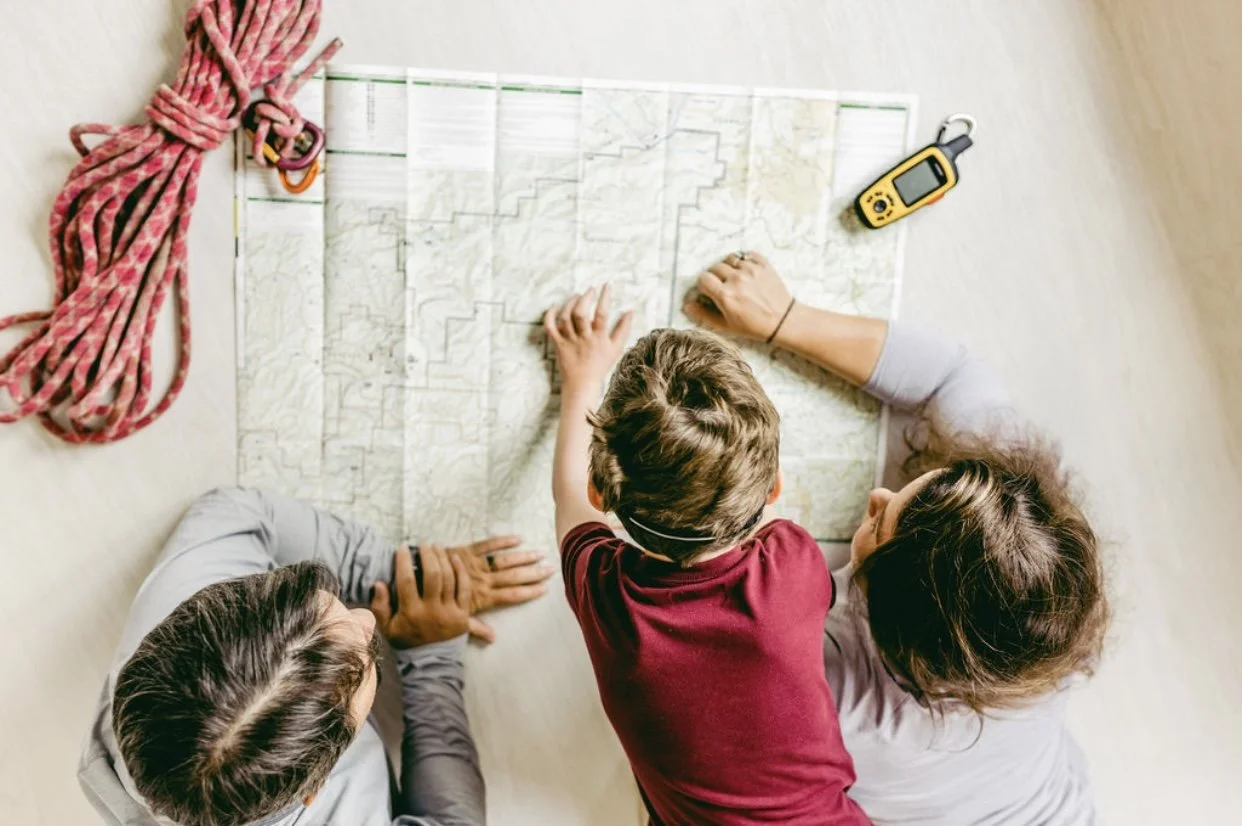
Outdoor Electronics: Take It or Leave It?
What to carry and what to leave behind: the phone, apps, lights, watch, and satellite communicator we bring to stay responsibly connected while still truly disconnecting on the trail.
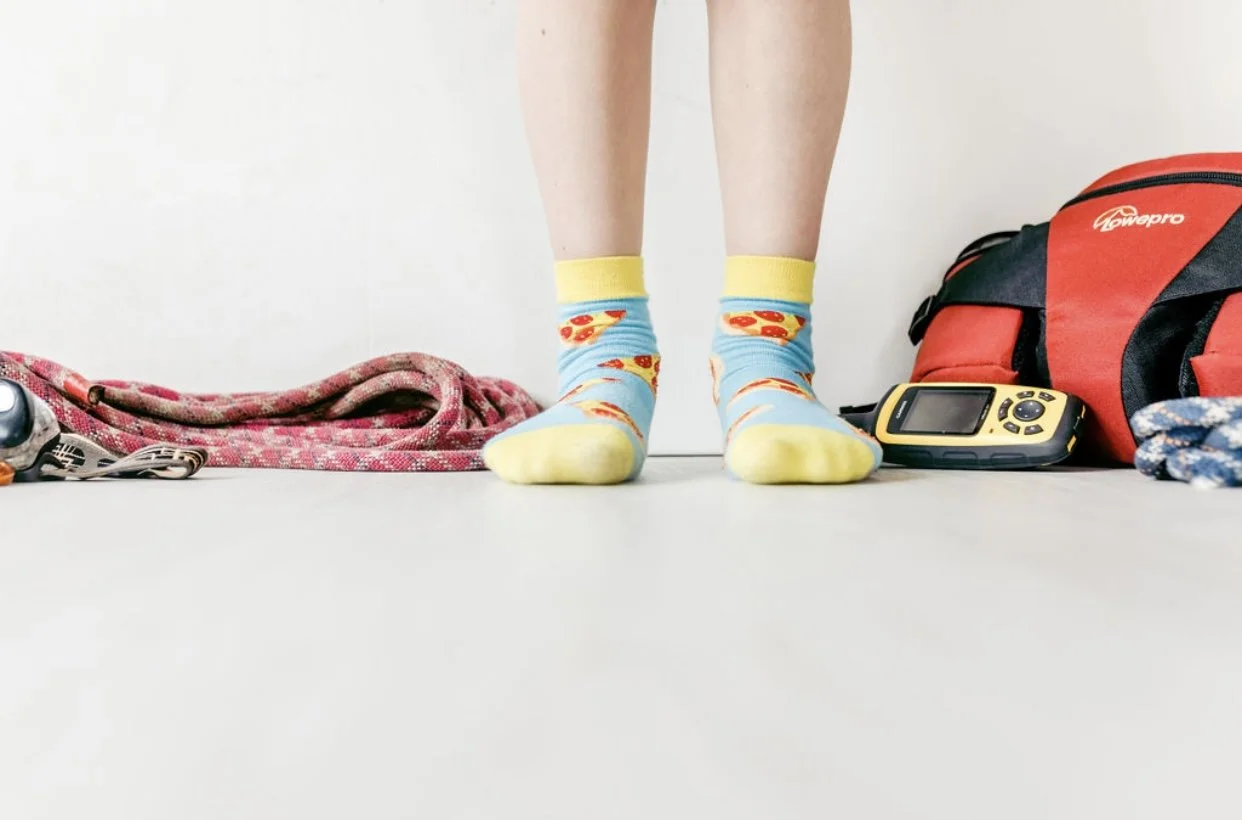
Which electronics are you grabbing - or leaving - on your way out?
This post contains affiliate links. If you buy through our links, we earn a small commission at no extra cost to you. Thank you!
For many, going outdoors is about leaving it all behind - well, almost all of it. I do take my phone, a flashlight or headlamp, my watch, and, depending on the location and duration, the Garmin inReach Mini. The great thing is that you can feel disconnected even while carrying a few electronics, because the last thing a lot of us want is to be mentally dragged back into the high-speed, always-connected world of modern society. I don’t want notifications, beeps, dings, and chimes. I care what’s happening — but this time is for me to let my mind settle and focus on the path ahead.
But…
I don’t want to get lost while checking out a new trail. I love taking landscape and nature photographs. I don’t want to be late for dinner. I can’t see in the dark if I get a little too far from the trailhead before turning back. And I don’t want Search and Rescue sent out just because I decided to have a quiet moment (or a couple of hours) of contemplation beside a babbling brook - while a loved one panicked because I didn’t answer a text immediately.
So yeah, I stay minimally connected when I’m disconnecting. The trick is to let it make you feel more comfortable and free to roam, not more chained down. Here are the electronics I carry to stay responsibly disconnected when I head out.
Phone. I keep my phone on me because it’s one of the best multi-tools out there. It takes pictures, tracks my hike on a map (even in airplane mode), helps me get back to the car, and has a built-in flashlight if I need one. If I want to know what a particular tree, bird, or flower is, the answer is right at my fingertips. I use it to grow my curiosity and learn about the world around me - not to scroll through whatever app is open - and that’s the key.
Apps. Trail apps like AllTrails and Trailforks are perfect examples: download maps at home and use them off-grid in airplane mode to stay headed the right direction, or to mark where you saw that amazing bird nest to check out later.
Lights. I have a love of flashlights: headlamps, handhelds, you name it. I keep both in my vehicle, since they’re easy to carry and recharge via USB, so they’re always ready to go. A tiny handheld like the Anker Bolder LC40 is a favorite to grab even when the sun’s out, and it can easily run all night. For a headlamp, the BioLite HeadLamp 200 is a great one to keep in the car. Both fit easily in a pocket and are priceless when you need them: lightweight, big light output, very packable… two thumbs up.
Watch. I wear a smartwatch. It tracks workouts, steps, heart rate, and tells the time. So why leave it at home? Keeping track of the time helps you get back to the trailhead when you said you would (which keeps you out of trouble with your spouse or partner), and all the other useful info is a bonus.
Communicator. The outlier here is the Garmin inReach Mini (or Garmin’s whole line of inReach devices), a satellite communicator that can also track your location. It’s small, simple to use, and can be the best tool you have if you or someone else gets hurt. It also lets a loved one know you’re just fine, so they don’t call Search and Rescue just to check on you. They can track your location even when you’re way, WAY off-grid, like middle-of-the-ocean or top-of-a-mountain off-grid. You can get weather updates or call for emergency services if you need it… or, more likely, if someone else does. It’s so small and unobtrusive you’ll forget it’s there, until the moment you need it. (We wrote a full review of the Garmin inReach devices, too.)
Now get out there and enjoy the wilderness. Walk, run, hike, bike, or just sit and look out over a beautiful view while enjoying a perfect breeze. With these tips, you can have all that and still make it home for dinner.
(Podcast) Season 3, Episode 9 - Layering Basics: An Interview with Lawson Glidden of Minus33
Join us as we interview Lawson Glidden of Minus33, makers of soft, warm wool products of all kinds, as we talk about their business and the art of layering for cold weather.
Season 3, Episode 9. We've got a guest! Lawson Glidden — President of Minus33 Merino Wool — joins us for a deep dive into the world of layering. Minus33 is a family business out of New Hampshire with over a hundred years of textile history behind them, and Lawson knows his stuff. He walks us through why merino wool is such a game-changer as a base layer — it wicks moisture, regulates temperature, and (here's the big one) doesn't stink after a few days on the trail. We talk through their full product range — socks, base layers, mid-layers, shirts, hats — and Cristen and I share our own layering wins and fails over the years. This was actually Minus33's very first podcast appearance, which is pretty cool. Full disclosure: we're affiliates (not sponsored), so if you grab something through our links, we earn a small commission — but we genuinely love the gear.
(Podcast) Season 3, Episode 8 - Campsite Cooking for Every Type of Chef
Cooking at the campsite for every kind of chef! What’s on your menu and how are you going to make it?
Season 3, Episode 8. Time to eat! This episode covers campsite cooking from one end of the spectrum to the other — we're talking everything from boiling water over a fire to full-on propane pizza ovens and gourmet meals under the stars. Cristen and I break it down by skill level, so whether you're the person who burns instant oatmeal (no judgment) or the one showing up with a cast iron skillet and a spice kit, there's something here for you. We swap some pretty good stories about campfire mishaps along the way — let's just say fire and cooking don't always cooperate the way you'd hope. We also get into the practical side: what setups make sense for car camping versus what you'd actually want to haul into the backcountry. Spoiler — the pizza oven stays at the car.
(Podcast) Season 3, Episode 7 - Adult Weekend Adventures (The Kids Will Be Ok)
Sometimes the adults need to get away and play, too. Kids, it’s time to stay with the grandparents or buddy-sitter… Mom and Dad need to have some reconnection time - it’s healthy for everyone.
Season 3, Episode 7. Okay parents — this one's for you. We're talking about getting outside without the kiddos. Solo trips, couples getaways, weekends with friends — all of it. Cristen and I dive into why it's so important to carve out that adult time in the outdoors, even when it feels impossible to step away. Turns out, absence really does make the heart grow fonder — you come back recharged, more patient, and honestly a better partner and parent for it. We share some of our own experiences sneaking away for a night or two, and we talk about how to make it happen without the guilt. We also mention Eddie Bauer's gear rental program — a great option if you want to try something new (kayaking, backpacking, whatever) without dropping a fortune on gear you're not sure about yet.
(Podcast) Season 3, Episode 6: Camping Sleep Systems
Sleeping systems: from full sleeping back to thermal blankets, sleeping pads of all kinds, and everything in between. Learn about the elements on sleeping systems so you can get a good night’s sleep anywhere you set up camp.
Season 3, Episode 6. Alright — so you've picked your campsite, you've got your tent set up, and now it's time to actually sleep. Easier said than done! This one's all about the sleep system — sleeping bags, sleeping pads, blankets, the works. We break down the differences between down and synthetic fills, inflatable versus foam pads, and how those temperature ratings actually work (spoiler: it's not as straightforward as you'd think). We get into the whole hammock-versus-ground-sleeping debate too — Cristen and I definitely have opinions on that one. We even pulled up the Spotify polling feature to see where you all land on the question. Whether you're car camping with the family or heading into the backcountry, getting your sleep setup dialed in makes all the difference. Check out the companion blog post over on keywordadventure.com for more gear details and our affiliate picks.
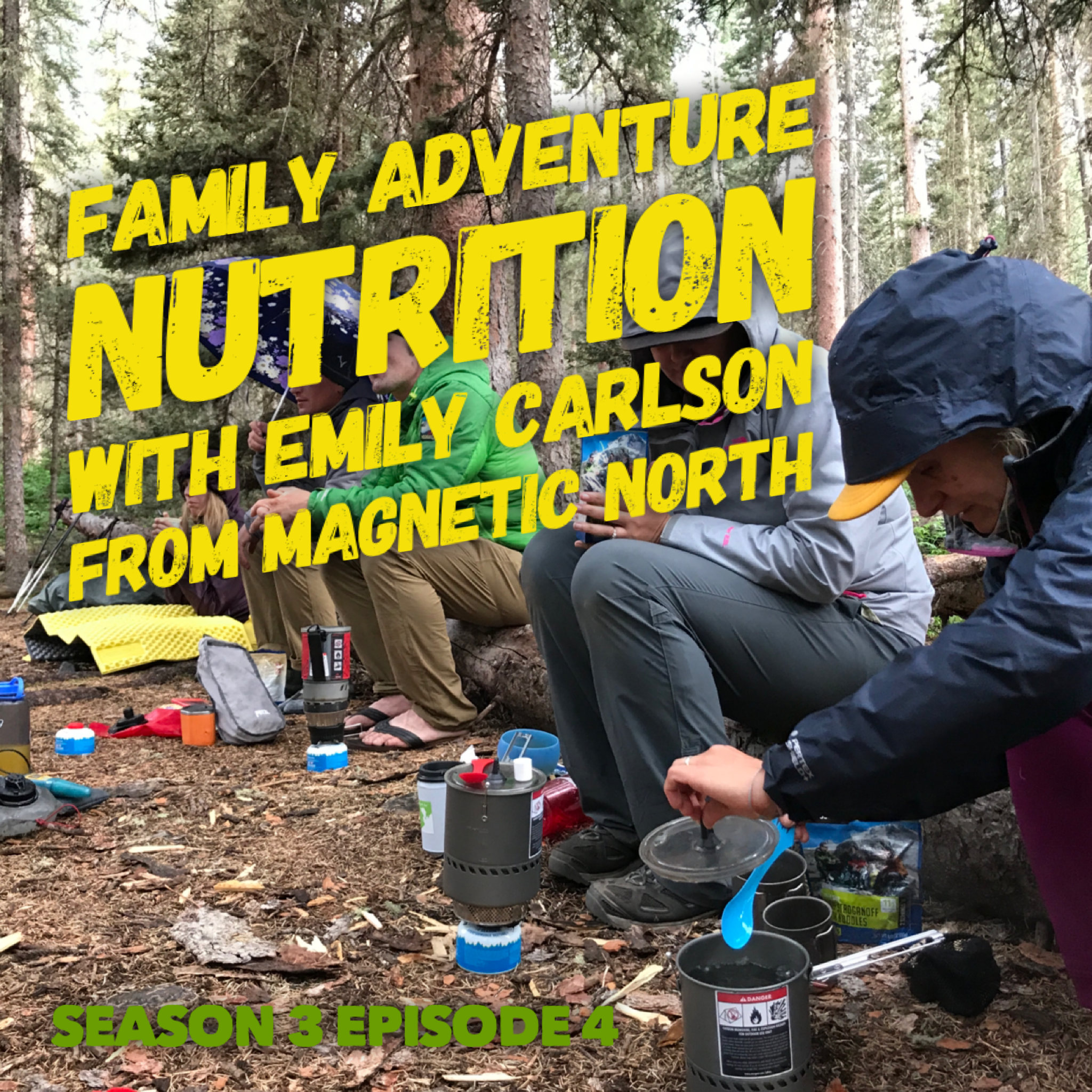
(Podcast) Family Adventure Nutrition with Emily Carlson (Magnetic North)
How do you best feed your family well when you’re outside and active? In this episode, we interview Emily Carlson from Magnetic North.
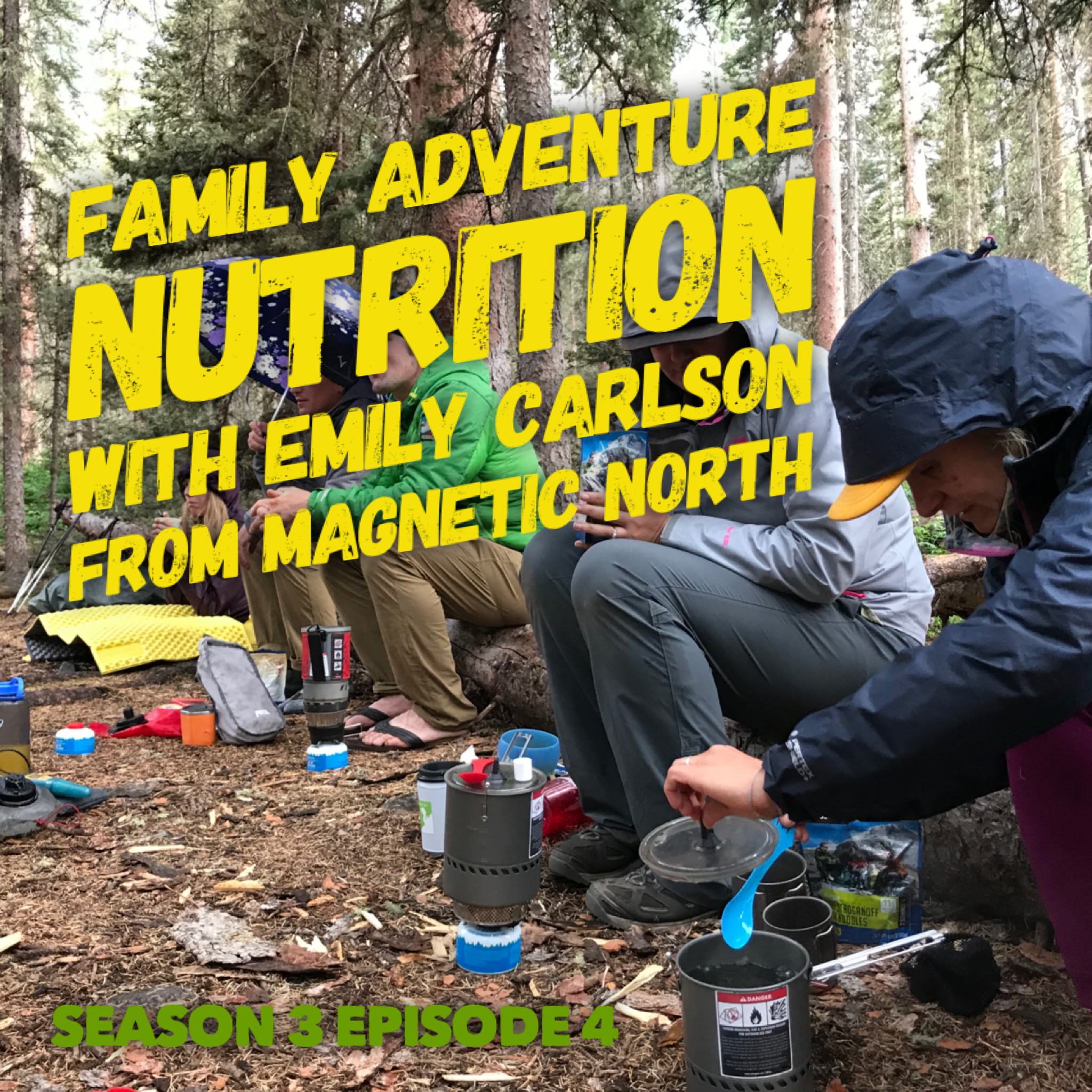
Season 3 Episode 4.
In this episode, we talk with Emily Carlson of Magnetic North (magneticnorth.us) about family nutrition across a variety of outdoor activities and ages of participants! Magnetic North focuses on durability training — continuing to do the things you love for as long as you want to do them.
Covered in this episode: the best foods to pack for outdoor adventures; whether packaged foods are necessary; choosing foods that power you best for the activity you’re doing; including kids in food packing; grab-and-go vs. full-on cooking; carbohydrates, proteins, and fats and what they do for us; short trips vs. long trips; how elevation affects the way your body burns fuel (and water); the other necessities of sleep and hydration; how to avoid spikes and crashes; how elevation changes the macros your body burns; things you can do to help your body prepare in the weeks leading up to a longer trip; supplements and shakes; why taking your time with meals matters; how stress affects digestion; fads and fasting; and a super-special secret s’mores technique!
We loved creating this episode — there are so many wonderful nibbles about nutrition and fueling yourself and your family for any adventure. If you’d like to learn more about Magnetic North, their new Durability School, or one-on-one coaching with Emily (she’s awesome, and so is her cohort Brittany), find them at magneticnorth.us and on Instagram @magneticnorth___. Thanks for listening and sharing our podcast!
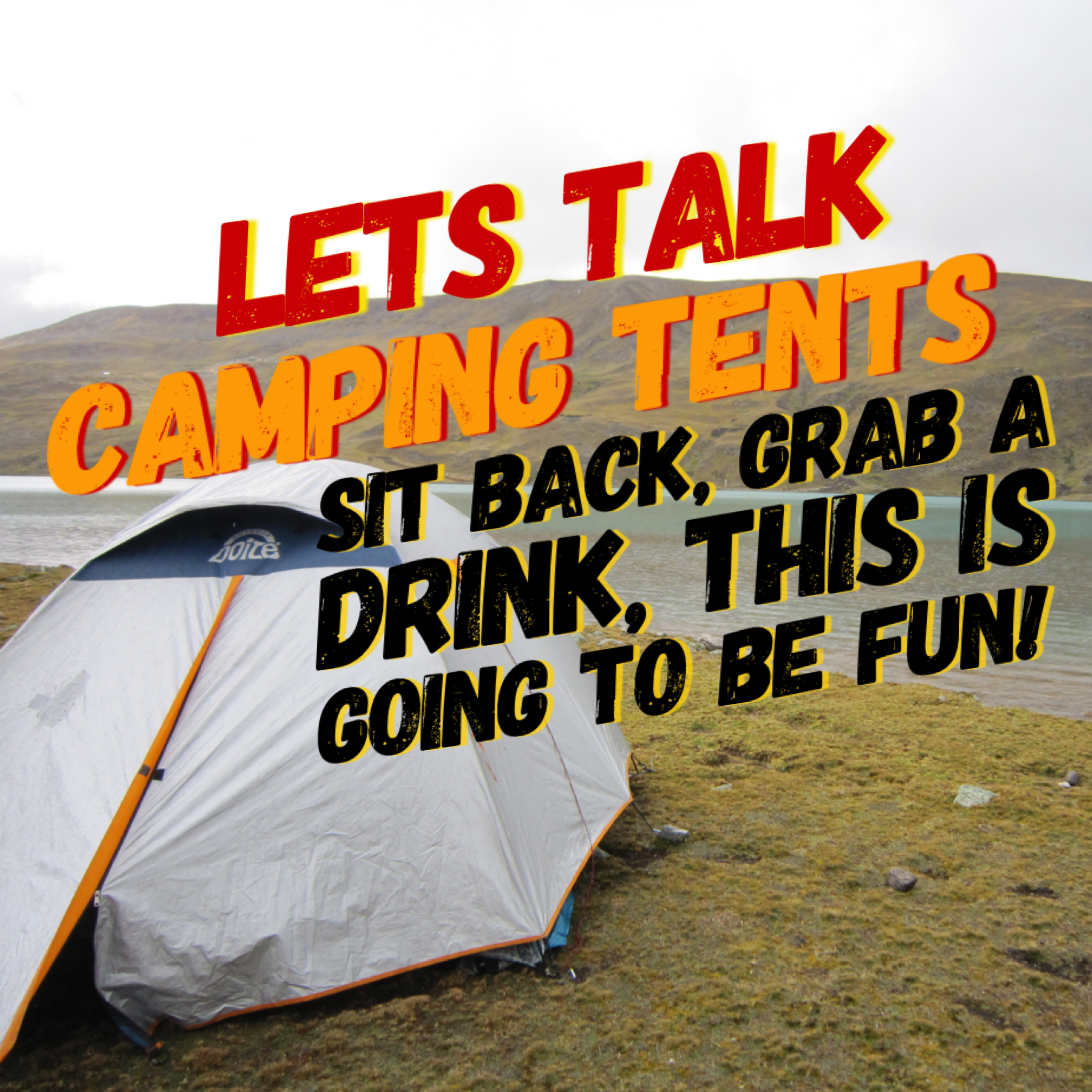
(Podcast) Let’s Talk Camping Tents
Season 3, Episode 3: let’s talk camping tents — tent advice, camp furniture, keeping bugs at bay, where to pitch (and hazards to avoid), organization tips, and dad jokes.
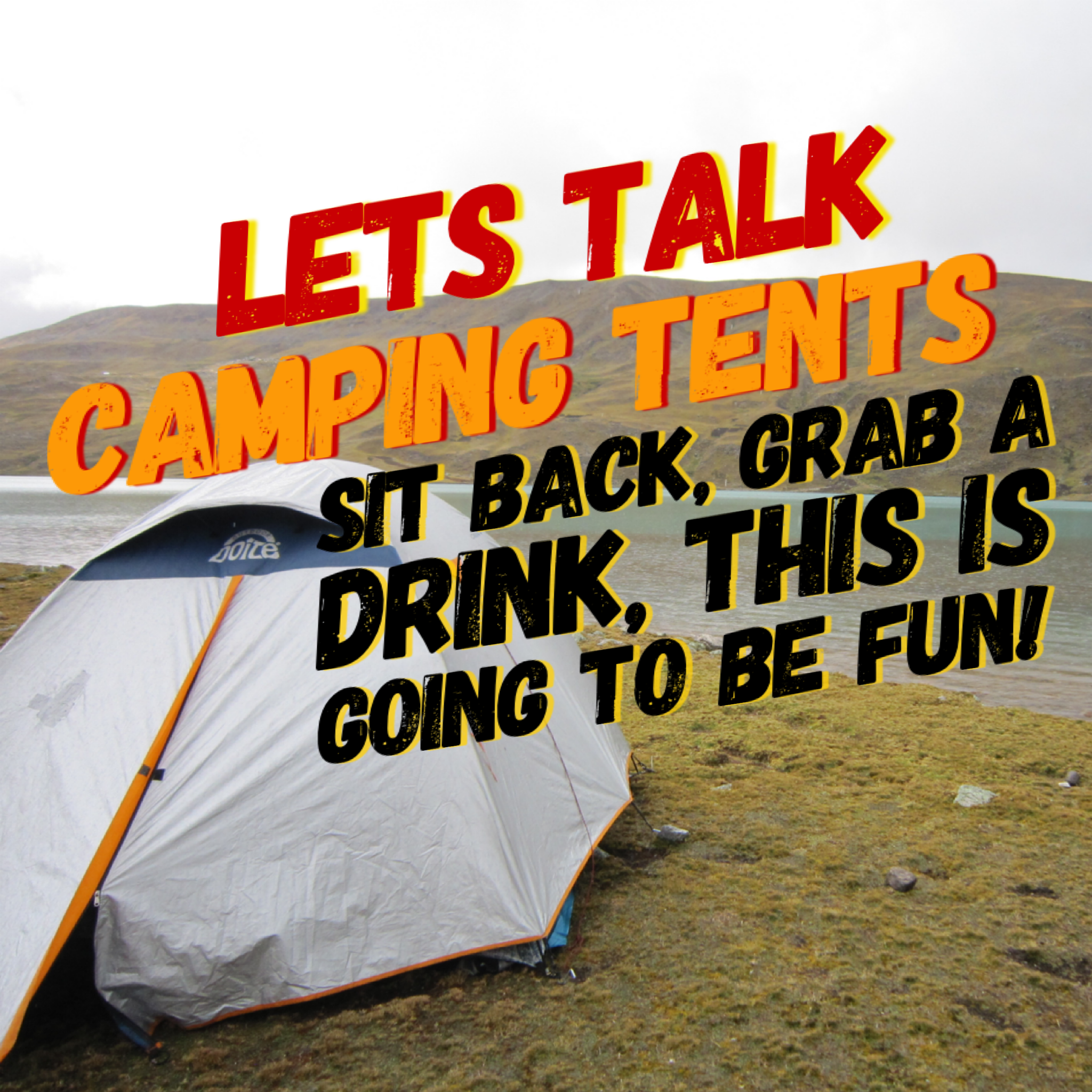
Season 3 Episode 3.
Grab a drink, sit back, and listen to Matt and Cristen talk about pitching a tent… Guess who wrote this? LOL.
In this episode, we talk about what has worked for us when we go camping: tent advice, camp-furniture favorites, keeping the bugs at bay, where to pitch your tent (and some hazards to avoid), organization tips, and dad jokes.
We hope you love this episode — and don’t forget to get out there and enjoy the outdoors as a family!
Gear we mention: the REI Kingdom 6 tent, an REI camp table, the Kelty Loveseat camp chair, bug sprays, and the Ruffwear Knot-a-Hitch dog run.
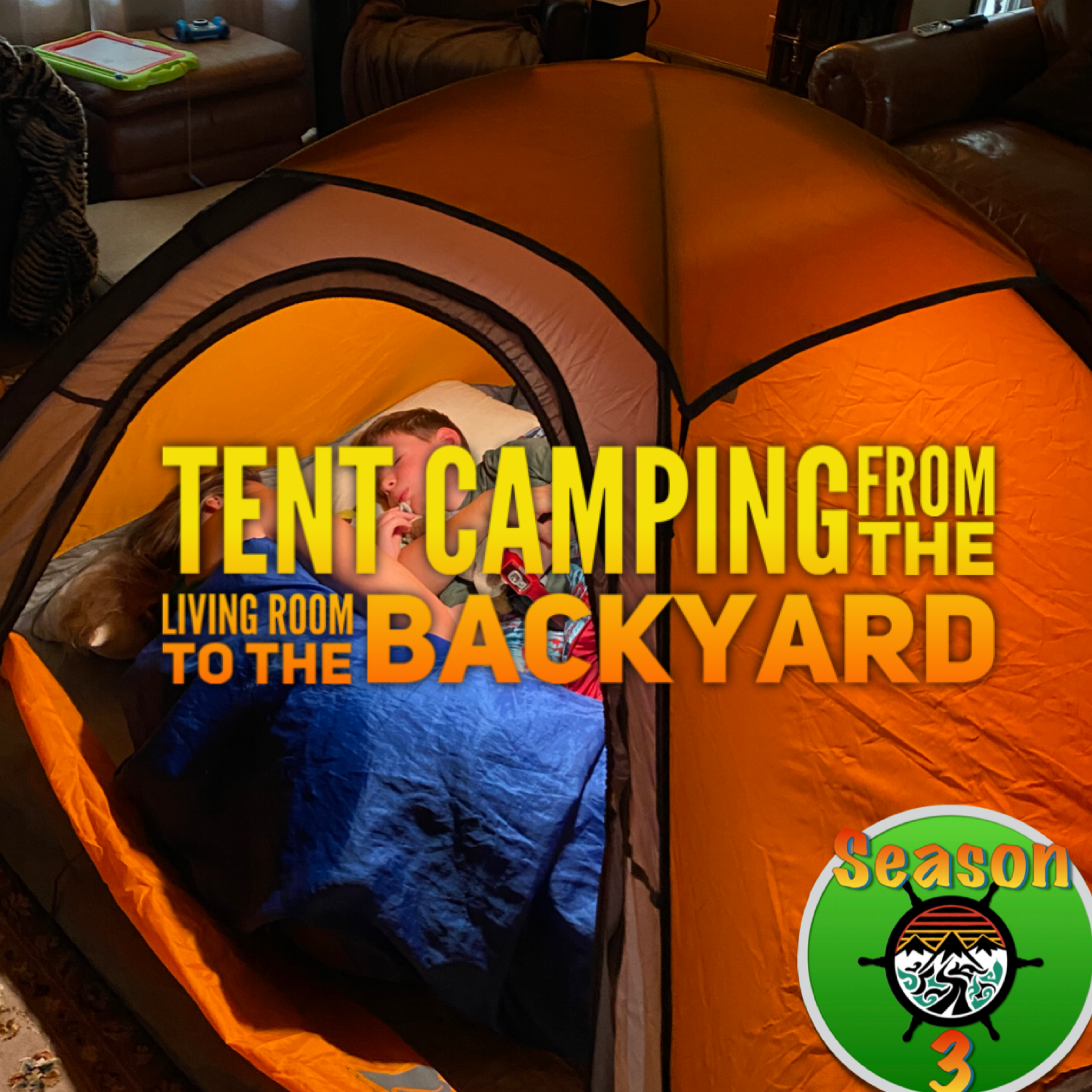
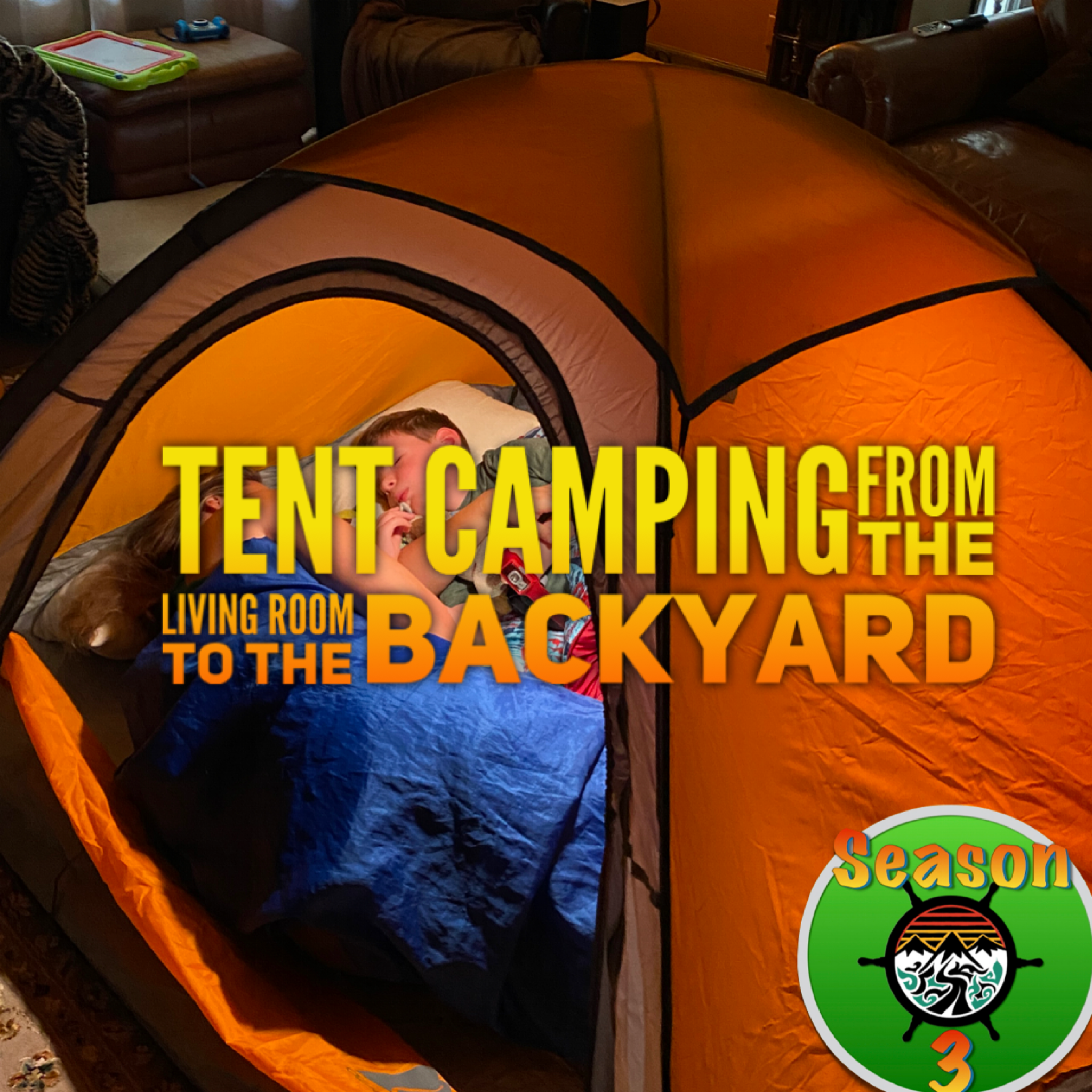
(Podcast) Tent Camping Starter: From Living Room to the Backyard
Season 3, Episode 1: tent camping starter — laying the foundation for a great family camping experience, from the living room to the backyard, so the kids are comfortable and the pressure’s off you.
Welcome to Season 3 Episode 1! We’re so glad you’re here.
The Season 2 wrap is complete, and we’re excited to embark on a new season geared more toward helpful steps to get you into your adventures. Season 3 Episode 1 is all about starting out.
Perhaps you’ve wanted to try camping and never had the know-how. Maybe you have experience camping, but not with kids. Or maybe your kids are even asking to try it out, and now you’re doing your best to figure out just how to make that happen.
This episode is all about laying the foundation for a good experience camping in tents with your family — particularly how to set it up so your kids are comfortable, have fun, and it takes the pressure off you. Our goal is to give you tips and tricks to get started in the comfort of your own home. Visit our website and sign up for our newsletter to be one of the first to access gear, discounts, checklists, and more.